




Understanding Rail Transit Motors: The Heart of Modern Transportation
2026-10-13

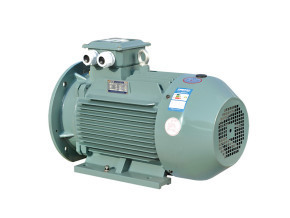
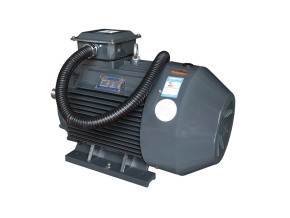
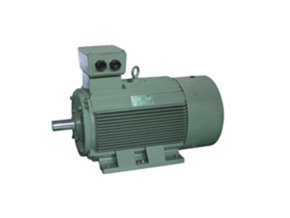
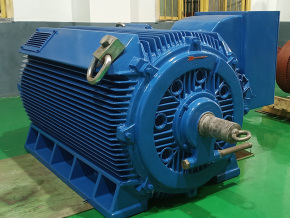
Rail transit motors are pivotal components in the realm of modern transportation, particularly within the rail industry. These motors are designed to propel trains, trams, and light rail vehicles, ensuring that they operate smoothly and efficiently. Understanding the functionality and technology behind rail transit motors can provide insight into their vital contribution to public transportation systems.
The most common type of motor used in rail transit systems is the electric traction motor. Unlike traditional engines that rely on fossil fuels, electric motors utilize electricity for propulsion. This shift not only promotes sustainability but also enhances the overall efficiency of rail networks. Electric traction motors are known for their high torque and rapid acceleration, which are crucial for starting and stopping trains efficiently.
Another important aspect of rail transit motors is their design and construction. They are typically engineered to withstand harsh environmental conditions, including temperature extremes, humidity, and exposure to dust and debris. The materials used in manufacturing these motors are chosen for their durability and performance, ensuring longevity and reduced maintenance costs.
Moreover, advancements in technology have led to the development of more sophisticated motor control systems. These systems allow for precise control of speed and torque, improving the efficiency and safety of rail operations. Features such as regenerative braking have been integrated into modern rail transit motors, enabling energy recovery during braking, which is then fed back into the system or stored for later use. This not only enhances energy efficiency but also reduces the overall carbon footprint of rail transit systems.
In terms of maintenance, rail transit motors are equipped with various monitoring systems that track performance metrics in real-time. These systems can alert operators to potential issues before they escalate, allowing for proactive maintenance and minimizing unexpected downtime. Regular inspections and maintenance schedules are essential for ensuring that motors continue to perform optimally throughout their lifecycle.
In conclusion, rail transit motors are fundamental to the efficiency and reliability of rail systems. Their advanced design, integration of technology, and focus on sustainability underline their importance in contemporary transportation solutions. Understanding their mechanics and operational benefits not only highlights their role in the industry but also underscores the ongoing innovations that continue to shape the future of rail transit. As cities expand and the demand for efficient public transportation grows, the evolution of rail transit motors will undoubtedly play a key role in meeting these challenges.
The most common type of motor used in rail transit systems is the electric traction motor. Unlike traditional engines that rely on fossil fuels, electric motors utilize electricity for propulsion. This shift not only promotes sustainability but also enhances the overall efficiency of rail networks. Electric traction motors are known for their high torque and rapid acceleration, which are crucial for starting and stopping trains efficiently.
Another important aspect of rail transit motors is their design and construction. They are typically engineered to withstand harsh environmental conditions, including temperature extremes, humidity, and exposure to dust and debris. The materials used in manufacturing these motors are chosen for their durability and performance, ensuring longevity and reduced maintenance costs.
Moreover, advancements in technology have led to the development of more sophisticated motor control systems. These systems allow for precise control of speed and torque, improving the efficiency and safety of rail operations. Features such as regenerative braking have been integrated into modern rail transit motors, enabling energy recovery during braking, which is then fed back into the system or stored for later use. This not only enhances energy efficiency but also reduces the overall carbon footprint of rail transit systems.
In terms of maintenance, rail transit motors are equipped with various monitoring systems that track performance metrics in real-time. These systems can alert operators to potential issues before they escalate, allowing for proactive maintenance and minimizing unexpected downtime. Regular inspections and maintenance schedules are essential for ensuring that motors continue to perform optimally throughout their lifecycle.
In conclusion, rail transit motors are fundamental to the efficiency and reliability of rail systems. Their advanced design, integration of technology, and focus on sustainability underline their importance in contemporary transportation solutions. Understanding their mechanics and operational benefits not only highlights their role in the industry but also underscores the ongoing innovations that continue to shape the future of rail transit. As cities expand and the demand for efficient public transportation grows, the evolution of rail transit motors will undoubtedly play a key role in meeting these challenges.
Previous Page:
recommend News

Wu Dejun: General Manager
Hu Pengbin: Marketing Director
Production site:
No.28, Huaiying Road, Gaoqiao Town, Changsha City, Hunan Province
Zip Code: 410145
Telephone:0731-86156236
ZhenHua Packing Machinery
Online consultation
Leave a message quickly and our experts will contact you
ZhenHua Packing Machinery
Business License

SAF Coolest v1.3.1.2 设置面板 GAGSD-ZGYF-JESSE-ZEA
无数据提示
Sorry, the current column is being updated, please look forward to it!
You can view other columns or returnHome Page