




How to Choose the Right Rail Transit Motor for Your Needs
2026-11-15

How to Choose the Right Rail Transit Motor for Your Needs
In today’s fast-paced world, **efficient rail transit** systems are essential for urban development and sustainable transportation. Choosing the right rail transit motor is a critical decision that impacts operational efficiency, safety, and cost-effectiveness. In this article, we will guide you through the process of selecting the most suitable rail transit motor for your specific requirements.
Table of Contents
- Understanding Rail Transit Motors
- Key Factors in Choosing a Rail Transit Motor
- Types of Rail Transit Motors
- Motor Performance Specifications
- Environmental Considerations
- Cost Analysis: Initial Investment vs. Long-term Benefits
- Maintenance and Reliability
- Future-proofing Your Investment
- Conclusion
- FAQs
Understanding Rail Transit Motors
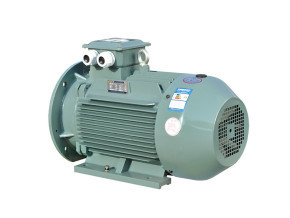
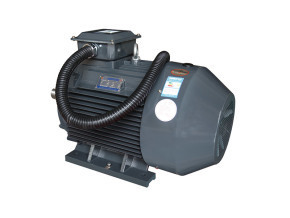
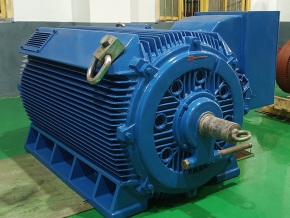
Rail transit motors are integral components that drive **electric rail vehicles**, including trains, trams, and subways. Their primary function is to convert electrical energy into mechanical energy, enabling vehicles to transport passengers and goods efficiently. Understanding the different aspects of rail transit motors, including their design, operation, and components, will help you make an informed decision.
What Makes a Rail Transit Motor Unique?
Rail transit motors differ significantly from other electric motors due to their required power output, torque characteristics, and operational environment. These motors are designed to handle varying loads, accelerate quickly, and operate under challenging conditions, such as extreme temperatures and vibrations.
Key Factors in Choosing a Rail Transit Motor
Selecting the right rail transit motor involves careful consideration of several key factors. By evaluating these elements, you can ensure the motor meets your operational needs while also adhering to industry standards.
1. Power Requirements
Determine the power requirements based on the type and weight of the rail vehicle, as well as the expected load during operation. This includes understanding the peak power needed for acceleration and the continuous power needed for steady operation.
2. Torque Characteristics
Torque is a critical factor in rail transit motors. Choose a motor that provides adequate torque for rapid acceleration and consistent performance. This is particularly important in urban settings where frequent stops and starts are common.
3. Efficiency Ratings
Efficiency directly impacts operational costs. Look for motors with high efficiency ratings to minimize energy consumption, reduce greenhouse gas emissions, and lower operating costs over time.
4. Size and Weight Constraints
Space limitations in rail vehicles can dictate the size and weight of the motor. Ensure the motor’s dimensions fit within the vehicle’s design without compromising performance or safety.
Types of Rail Transit Motors
Understanding the different types of rail transit motors available can further refine your selection process. Here are the primary categories:
1. AC Motors
Alternating current (AC) motors are widely used in rail transit systems due to their reliability and efficiency. They can either be synchronous or asynchronous, with synchronous motors providing high efficiency at constant speed.
2. DC Motors
Direct current (DC) motors are known for their simplicity and ease of control. They are ideal for applications requiring variable speed and torque, although they are becoming less common in modern transit systems.
3. Brushless Motors
Brushless motors offer several advantages, including higher efficiency and lower maintenance requirements. These motors are particularly beneficial in applications with strict space constraints and high-performance demands.
Motor Performance Specifications
When selecting a rail transit motor, it is essential to review its performance specifications. Key specifications include:
1. Speed Ratings
The maximum and nominal speed ratings of the motor should align with the intended operational speed of the rail vehicle. Ensure that the motor can handle the speeds required for safe and efficient transit.
2. Start-up Characteristics
Examine the motor's start-up characteristics, including the duration and torque at start-up. A motor capable of quick acceleration can significantly improve the overall efficiency of the transit system.
3. Operating Temperature Range
Rail transit motors must operate effectively in various environmental conditions. Ensure the motor’s temperature ratings match the extremes expected in your transit environment, from extreme cold to high heat.
Environmental Considerations
As sustainability becomes a priority in transportation, the environmental impact of rail transit motors also plays a crucial role in decision-making.
1. Emission Standards
Choose motors that comply with local and international emission standards. This choice not only ensures regulatory compliance but also contributes to the overall sustainability of your transit system.
2. Noise Levels
Noise pollution is a concern in urban environments. Select motors designed to operate quietly, minimizing disruption to surrounding communities.
Cost Analysis: Initial Investment vs. Long-term Benefits
Conducting a thorough cost analysis will help you understand the initial investment versus long-term operational costs.
1. Upfront Costs
Consider the price of the motor, installation, and any additional components required. While lower-cost options may seem appealing, evaluate their long-term performance and reliability.
2. Operational Costs
Assess ongoing costs such as maintenance, energy consumption, and replacement parts. High-efficiency motors may have higher upfront costs but can offer significant savings over their lifetime.
Maintenance and Reliability
Long-term reliability and ease of maintenance are critical aspects of any rail transit motor. Understanding these factors can save you time and money in the long run.
1. Maintenance Requirements
Review the manufacturer’s recommendations for maintenance. Motors requiring less frequent service can reduce downtime and lower operational disruptions.
2. Warranty and Support
Evaluate the warranty and customer support offered by the manufacturer. A robust warranty and responsive support team can provide peace of mind and assistance when issues arise.
Future-proofing Your Investment
With rapid advancements in technology, it’s essential to consider how your motor choice will adapt to future needs.
1. Upgradeability
Look for motors that can be easily upgraded or integrated with new technologies. This adaptability will ensure your rail transit system remains competitive and efficient.
2. Compatibility with Smart Technologies
As smart transit systems emerge, ensure the motor can integrate with digital management systems, enabling enhanced monitoring and control capabilities.
Conclusion
Choosing the right rail transit motor is a multifaceted decision that requires careful consideration of various factors, including power requirements, torque characteristics, efficiency ratings, and environmental considerations. By thoroughly evaluating your options and understanding the unique needs of your rail system, you can make a well-informed choice that enhances operational efficiency and reduces costs. Ultimately, the right motor will not only meet your current needs but also position your transit system for future success.
FAQs
1. What is the most common type of rail transit motor?
The most common types of rail transit motors are AC motors due to their reliability and efficiency in various applications.
2. How can I determine the power requirements for my rail transit motor?
To determine power requirements, consider the vehicle weight, the expected load, and the desired acceleration and speed.
3. Are brushless motors better than traditional motors?
Brushless motors tend to be more efficient and require less maintenance than traditional brushed motors, making them a preferred choice for many applications.
4. How do environmental conditions affect motor performance?
Extreme temperatures, humidity, and vibrations can impact motor performance, so selecting a motor designed for your specific environmental conditions is crucial.
5. What maintenance is required for rail transit motors?
Maintenance requirements vary by motor type, but common tasks include regular inspections, lubrication, and monitoring for wear and tear to ensure longevity and reliability.
recommend News

Wu Dejun: General Manager
Hu Pengbin: Marketing Director
Production site:
No.28, Huaiying Road, Gaoqiao Town, Changsha City, Hunan Province
Zip Code: 410145
Telephone:0731-86156236
ZhenHua Packing Machinery
Online consultation
Leave a message quickly and our experts will contact you
ZhenHua Packing Machinery

SAF Coolest v1.3.1.2 设置面板 GAGSD-ZGYF-JESSE-ZEA
无数据提示
Sorry, the current column is being updated, please look forward to it!
You can view other columns or returnHome Page