




Rail Transit Motor: Supporting Reliable Performance in Modern Railway Systems
2026-10-10

Product Overview
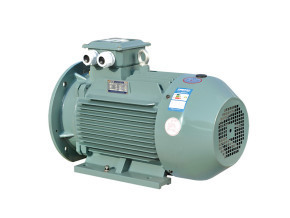
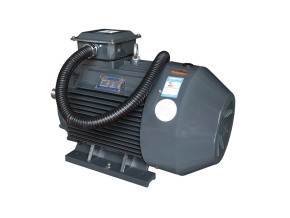
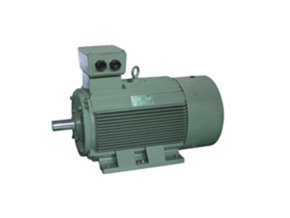
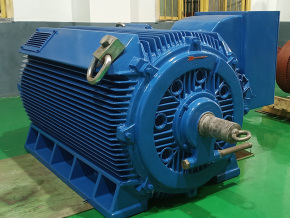
A Rail transit motor is an important component in railway transportation, helping convert electrical energy into mechanical power for the operation of rail vehicles and related equipment. As urban rail networks, metro systems, and railway infrastructure continue to develop, demand is growing for motor products that can support stable operation, dependable performance, and long-term service requirements. Choosing a suitable motor involves more than evaluating power output; it also requires attention to the operating environment, installation conditions, load characteristics, and compatibility with the complete drive system.
For railway equipment manufacturers and system integrators, the right motor helps establish a reliable foundation for daily operation. Motor selection should be based on the specific application, whether the equipment is intended for traction-related functions, auxiliary systems, or other railway machinery. By matching the motor's technical characteristics to actual operating conditions, buyers can improve equipment integration and reduce the risk of performance problems caused by unsuitable specifications.
Core Functions and Operating Value
The main function of a railway motor is to provide controlled mechanical power for the equipment it drives. Depending on the motor type and application, this may involve supporting vehicle movement, powering auxiliary equipment, or operating machinery used in railway facilities. Stable motor performance helps connected equipment work as intended and contributes to the overall reliability of the railway system.
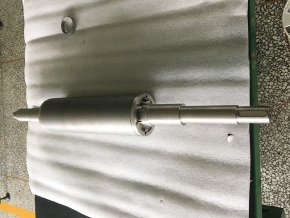
In demanding transport environments, motors may need to accommodate frequent starts and stops, changing loads, vibration, temperature variations, and limited installation space. A suitable design should therefore consider the required torque, rotational speed, power rating, insulation system, cooling method, and protection level. These parameters must be verified against the actual application rather than assumed to be identical across all railway projects.
Key Advantages of Rail Transit Motors
Motor performance directly affects the efficiency and dependability of railway equipment. A suitable rail motor can provide the required mechanical output while maintaining stable operation under the intended working conditions. For traction applications, the motor must work effectively with the drive system and control equipment to support acceleration, speed regulation, and braking coordination. For auxiliary applications, dependable motor operation helps keep connected equipment functioning as required.
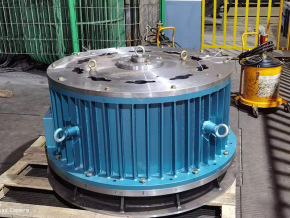
Energy efficiency is another important consideration. Improving the efficiency of electric motors can help reduce energy consumption during long operating hours. Compact construction may also be beneficial where installation space is limited, while an appropriate cooling structure helps manage heat generated during operation. Depending on the design, protective features and suitable insulation can support operation in environments involving dust, vibration, and temperature changes.
Maintenance requirements also influence the total cost of ownership. A motor designed for accessible inspection and practical servicing can help maintenance teams identify wear or performance changes before they cause major interruptions. Buyers should evaluate bearing arrangements, lubrication requirements, cooling methods, and spare-part availability when comparing products for long-term use.

Addressing Common Railway Industry Challenges
Railway operators need equipment that supports reliable service while controlling maintenance costs. Unexpected motor faults may lead to equipment downtime, repair expenses, and disruptions to scheduled operations. Choosing a motor that matches the required load and duty cycle helps reduce the risk of operating under unsuitable conditions.
Space and weight limitations can create additional challenges for rail vehicle designers. The motor must fit the available installation area without compromising the requirements of the surrounding mechanical and electrical systems. Reviewing mounting dimensions, shaft connections, cooling arrangements, and cable interfaces before installation can reduce integration problems and avoid costly modifications.
Another challenge is selecting equipment for different operating environments. Urban metro vehicles, intercity trains, maintenance vehicles, and railway auxiliary machinery may have different performance requirements. A careful technical assessment helps buyers identify a suitable motor type rather than relying on general specifications that may not reflect actual working conditions.
Applications in Rail Transportation
Rail transit motors may be used in different railway applications depending on their design and rated performance. In urban rail systems, suitable traction motors support the movement of metro trains and light rail vehicles, which often operate with frequent starts and stops. Their performance must align with the vehicle's control system and expected service conditions.
In railway maintenance facilities, motors can power equipment used for vehicle servicing, workshop machinery, and other supporting operations. Auxiliary motors may also drive ventilation, pumps, or related equipment where the selected motor specifications meet the application requirements. These uses demonstrate the broad role of electric motors across railway operations, although the suitability of any specific product must be confirmed against its technical documentation.
For example, a metro operator planning to refurbish an existing vehicle fleet may need replacement motors that match the original installation dimensions and electrical characteristics. A railway equipment manufacturer developing new machinery may instead prioritize output requirements, cooling performance, and installation flexibility. In both cases, verifying compatibility early can help simplify procurement and commissioning. These are illustrative scenarios rather than descriptions of specific completed customer projects.
Product Selection, Integration, and Maintenance
Selecting an appropriate motor begins with defining the application. Buyers should identify whether the motor will be used for traction or auxiliary equipment, then confirm rated power, voltage, rotational speed, torque, operating duty, insulation class, cooling method, and protection requirements. Installation dimensions, environmental conditions, applicable railway standards, and compatibility with the control system should also be reviewed.
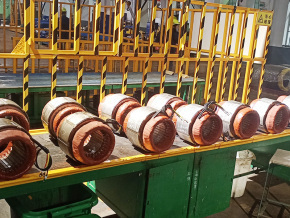
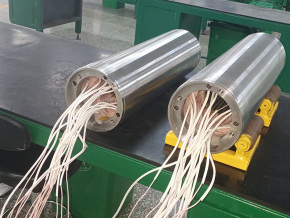
During integration, correct alignment and secure mounting help reduce unnecessary vibration and mechanical stress. Electrical connections should follow the product documentation and applicable safety requirements. Cooling passages must remain unobstructed, and inspection procedures should be established according to the motor's operating environment and service schedule.
Routine maintenance may include checking bearings, monitoring temperature and vibration, inspecting electrical connections, and assessing insulation condition where appropriate. Keeping maintenance records can help identify recurring issues and support better planning for spare parts and scheduled servicing. The exact maintenance interval should follow the manufacturer's instructions and the requirements of the railway application.
Long-Term Value for Railway Equipment Buyers
For motor purchasers, long-term value depends on more than the initial purchase price. Efficiency, service life, maintenance accessibility, spare-parts support, and compatibility with existing equipment all influence the total cost of ownership. A carefully selected motor can help equipment manufacturers simplify integration and help operators maintain predictable service schedules.
Before placing an order, buyers should request the relevant technical specifications, installation drawings, testing information, and operating instructions. They should also confirm customization options, production lead times, delivery arrangements, and after-sales support. Clear communication between the buyer, motor manufacturer, and system integrator helps ensure that the selected equipment meets the actual project requirements.
Conclusion
Railway systems depend on reliable electric motors to support traction and auxiliary functions across a wide range of operating conditions. By prioritizing appropriate specifications, energy efficiency, installation compatibility, and practical maintenance, buyers can make informed decisions for new equipment projects and replacement requirements. A well-matched motor helps support stable equipment operation, efficient energy use, and more manageable maintenance planning, contributing to the long-term performance of railway transportation systems.
Previous Page:
recommend News

Wu Dejun: General Manager
Hu Pengbin: Marketing Director
Production site:
No.28, Huaiying Road, Gaoqiao Town, Changsha City, Hunan Province
Zip Code: 410145
Telephone:0731-86156236
ZhenHua Packing Machinery
Online consultation
Leave a message quickly and our experts will contact you
ZhenHua Packing Machinery

SAF Coolest v1.3.1.2 设置面板 GAGSD-ZGYF-JESSE-ZEA
无数据提示
Sorry, the current column is being updated, please look forward to it!
You can view other columns or returnHome Page