




Permanent Magnet Motors: Driving Innovation in Transportation Technologies
2026-10-16

Permanent Magnet Motors: Driving Innovation in Transportation Technologies
Table of Contents
- Introduction to Permanent Magnet Motors
- Advantages of Permanent Magnet Motors in Transportation
- Applications of Permanent Magnet Motors in Various Transportation Modes
- Advancements in Permanent Magnet Motor Technology
- Sustainability and Energy Efficiency of Permanent Magnet Motors
- Challenges in Implementing Permanent Magnet Motors
- Future Trends in Permanent Magnet Motor Development
- Frequently Asked Questions
- Conclusion
Introduction to Permanent Magnet Motors
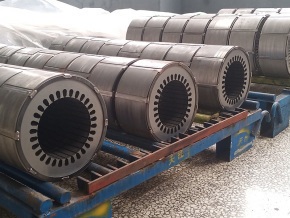
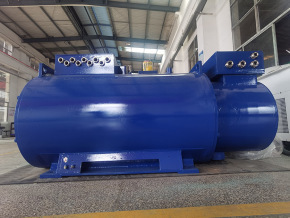
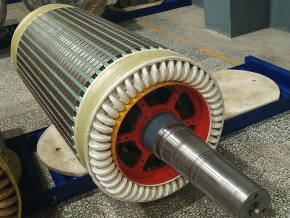
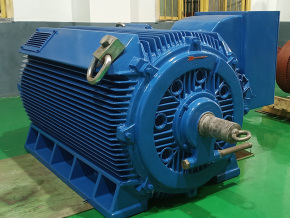
Permanent magnet motors (PMMs) represent a significant leap forward in the realm of transportation technologies. These motors utilize permanent magnets to generate magnetic fields, which leads to more efficient, powerful, and compact designs compared to traditional induction motors. The evolution of PMMs has been driven by the need for higher efficiency, lower emissions, and robust performance in various transportation applications. In this article, we will explore the advantages, applications, and future trends of permanent magnet motors, demonstrating their vital role in driving innovation within the transportation industry.
Advantages of Permanent Magnet Motors in Transportation
The adoption of permanent magnet motors in transportation technologies offers a myriad of advantages that are reshaping industry standards. Below, we delve into some of the key benefits:
Enhanced Efficiency
One of the most compelling advantages of PMMs is their enhanced energy efficiency. With efficiencies often exceeding 90%, these motors significantly reduce energy consumption during operation. This efficiency translates to longer ranges for electric vehicles (EVs) and lower operational costs for various transportation systems.
Compact Design
PMMs are generally smaller and lighter than their induction motor counterparts. This compact design allows for greater flexibility in vehicle design and contributes to overall weight reduction, improving fuel efficiency and performance.
High Torque at Low Speeds
Permanent magnet motors provide high torque even at low speeds. This characteristic is crucial for applications such as electric buses and trains, where rapid acceleration and deceleration are often required.
Reduced Maintenance Requirements
Due to their simplicity and fewer moving parts, PMMs typically require less maintenance compared to traditional electric motors. This reliability reduces downtime and maintenance costs, making them an attractive option for commercial transportation services.
Applications of Permanent Magnet Motors in Various Transportation Modes
The versatility of permanent magnet motors allows for their application across a wide spectrum of transportation modes. Here are some of the primary applications:
Electric Vehicles (EVs)
PMMs are at the heart of most electric vehicles, providing the necessary power and efficiency. As automakers pivot towards sustainable transportation, the incorporation of permanent magnet motors is essential for enhancing vehicle performance and driving range.
Public Transportation
In public transportation systems, such as electric buses and trams, PMMs contribute to efficient energy use and lower emissions. Their ability to handle frequent stops and starts makes them ideal for urban transit environments.
Rail Transportation
The rail industry has seen a substantial shift towards electric propulsion systems powered by PMMs. This transition not only improves energy efficiency but also reduces noise pollution, making rail travel a more appealing option.
Marine Applications
Permanent magnet motors are increasingly being utilized in electric and hybrid marine vessels. Their compact design and high efficiency help enhance the performance of boats and ships while reducing environmental impact.
Advancements in Permanent Magnet Motor Technology
As technology progresses, so too do the capabilities of permanent magnet motors. Recent advancements include:
High-Temperature Superconductors
The integration of high-temperature superconductors into PMMs is revolutionizing their performance. These superconductors enable motors to operate at higher efficiencies and temperatures, which is particularly beneficial in high-load applications.
Advanced Magnetic Materials
Research into advanced magnetic materials is paving the way for more powerful and efficient PMMs. Innovations such as rare-earth magnet technology are improving torque density and operational lifespan.
Smart Motor Systems
The advent of the Internet of Things (IoT) has ushered in smart motor systems that leverage data analytics for performance optimization. By integrating sensors and AI, manufacturers can monitor motor health, predict failures, and enhance overall efficiency.
Sustainability and Energy Efficiency of Permanent Magnet Motors
As the world grapples with climate change and the need for sustainable practices, PMMs shine brightly as a solution. Their energy efficiency not only reduces operational costs but also contributes to lowering greenhouse gas emissions.
Reducing Carbon Footprint
By enhancing energy efficiency and integrating renewable energy sources, PMMs play a pivotal role in reducing the carbon footprint of transportation systems. This aligns with global initiatives aimed at achieving net-zero emissions.
Lifecycle Assessments
Conducting lifecycle assessments (LCA) of PMMs reveals their environmental advantages over conventional motors. These assessments consider the entire lifecycle, from raw material extraction to disposal, highlighting the sustainable attributes of PMMs.
Challenges in Implementing Permanent Magnet Motors
Despite their advantages, the implementation of permanent magnet motors is not without challenges:
Cost of Materials
The cost of rare-earth materials used in PMMs can be prohibitive. Fluctuations in raw material prices can affect the overall cost of motor production, posing challenges for manufacturers and consumers alike.
Supply Chain Issues
The supply of rare earth elements is often concentrated in specific geographic regions, leading to supply chain vulnerabilities. Diversifying sources and developing alternatives are critical for overcoming these challenges.
Recycling and Disposal Concerns
As PMMs become more prevalent, recycling and disposal of these motors pose environmental challenges. Developing efficient recycling methods and sustainable disposal practices is essential for minimizing environmental impact.
Future Trends in Permanent Magnet Motor Development
The future of permanent magnet motors in transportation technologies is bright, with several emerging trends:
Integration with Renewable Energy Sources
As the push for renewable energy continues, we expect to see increased integration of PMMs with solar, wind, and other renewable sources. This synergy will enhance energy efficiency and sustainability.
Evolution of Electric Aviation
The aviation industry is exploring electric propulsion systems, and permanent magnet motors are poised to play a significant role. Innovations in battery technology and lightweight materials will facilitate the adoption of PMMs in aircraft.
Hybrid Systems
Hybrid systems that combine PMMs with other technologies, such as hydrogen fuel cells, are likely to gain traction. These systems promise to optimize energy use across various transportation modes.
Frequently Asked Questions
What is a permanent magnet motor?
A permanent magnet motor is an electric motor that uses permanent magnets to create the magnetic field necessary for operation, offering high efficiency and compact design.
What are the benefits of using permanent magnet motors in electric vehicles?
The benefits include enhanced energy efficiency, reduced weight, high torque at low speeds, and lower maintenance needs, all of which contribute to improved performance and cost-effectiveness.
How do permanent magnet motors contribute to sustainability?
PMMs reduce energy consumption, lower emissions, and can be integrated with renewable energy sources, making them a sustainable option for various transportation applications.
What challenges are associated with permanent magnet motors?
Challenges include the high cost of rare-earth materials, supply chain vulnerabilities, and recycling and disposal issues.
What future trends are expected in permanent magnet motor technology?
Future trends include increased integration with renewable energy, developments in electric aviation, and the evolution of hybrid systems that enhance transportation efficiency.
Conclusion
Permanent magnet motors are at the forefront of innovation in transportation technologies, offering numerous advantages that address the industry's pressing challenges. Their efficiency, compactness, and versatility make them an invaluable component of the shift towards sustainable transportation solutions. As advancements continue and new applications emerge, PMMs will play a crucial role in shaping the future of transportation, contributing to a greener, more efficient world. The ongoing research and development in this field promise to overcome current challenges, paving the way for widespread adoption and integration into various modes of transport. Embracing this technology is not just a step towards modernization; it is a vital move towards a sustainable future for transportation.
Previous Page:
recommend News

Wu Dejun: General Manager
Hu Pengbin: Marketing Director
Production site:
No.28, Huaiying Road, Gaoqiao Town, Changsha City, Hunan Province
Zip Code: 410145
Telephone:0731-86156236
ZhenHua Packing Machinery
Online consultation
Leave a message quickly and our experts will contact you
ZhenHua Packing Machinery
Business License

SAF Coolest v1.3.1.2 设置面板 GAGSD-ZGYF-JESSE-ZEA
无数据提示
Sorry, the current column is being updated, please look forward to it!
You can view other columns or returnHome Page