




The Advantages and Applications of Permanent Magnet Motors in Transportation
2026-11-18

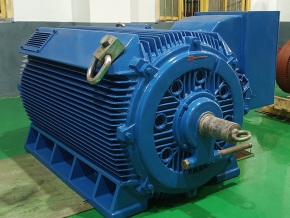
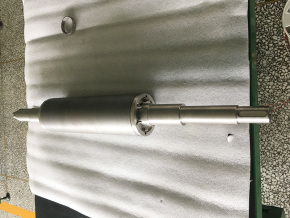
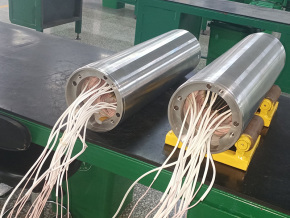
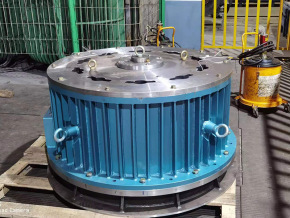
Permanent magnet motors (PMMs) have become increasingly popular in the transportation industry due to their unique attributes and advantages. These motors utilize permanent magnets to produce a magnetic field, eliminating the need for electromagnetic windings typically found in traditional motors. As a result, they offer several benefits that make them particularly suitable for various transportation applications.
One of the primary advantages of permanent magnet motors is their high efficiency. PMMs reach efficiency levels often exceeding 90%, significantly reducing energy consumption compared to conventional motors. This efficiency not only contributes to lower operational costs but also supports sustainability efforts by decreasing the carbon footprint of transportation systems. In an era where energy consumption is a critical concern, the ability of PMMs to provide more power with less energy is a significant innovation.
Another essential characteristic of permanent magnet motors is their compact size and lightweight design. This feature is crucial in the transportation sector, where space is often limited, and weight constraints are paramount. The reduced size and weight of PMMs allow for more flexible designs in vehicles and transport equipment, leading to improved performance and maneuverability. For instance, in electric vehicles (EVs), the lightweight nature of PMMs can enhance the overall vehicle efficiency and increase the driving range.
Reliability is key in any transportation application, and permanent magnet motors excel in this area as well. With fewer moving parts than traditional motors, PMMs typically require less maintenance and tend to have a longer operational lifespan. This reliability translates to reduced downtime and lower maintenance costs, making them an appealing choice for various transport applications, from electric bikes to trains and even ships.
Furthermore, permanent magnet motors are adaptable and can be integrated with advanced control systems, facilitating better performance in dynamic transportation environments. They can be fine-tuned for different applications, such as regenerative braking systems in electric vehicles, enhancing overall energy recovery and efficiency.
In addition to their operational benefits, PMMs also play a pivotal role in reducing noise pollution, a growing concern in urban transport systems. The quiet operation of these motors makes them suitable for applications in densely populated areas, contributing to a better quality of life for residents.
In conclusion, permanent magnet motors are transforming the landscape of the transportation industry by offering high efficiency, compact design, reliability, and adaptability. As the demand for sustainable and efficient transport solutions grows, the role of PMMs is likely to expand, making them a critical component in the future of transportation technology. Their advantages in performance and environmental impact position them as a leading choice for various transportation equipment and components, paving the way for innovation and advancement in the industry.
recommend News

Wu Dejun: General Manager
Hu Pengbin: Marketing Director
Production site:
No.28, Huaiying Road, Gaoqiao Town, Changsha City, Hunan Province
Zip Code: 410145
Telephone:0731-86156236
ZhenHua Packing Machinery
Online consultation
Leave a message quickly and our experts will contact you
ZhenHua Packing Machinery
Business License

SAF Coolest v1.3.1.2 设置面板 GAGSD-ZGYF-JESSE-ZEA
无数据提示
Sorry, the current column is being updated, please look forward to it!
You can view other columns or returnHome Page