




Industrial Motors: Key Players in the Evolution of Transportation Equipment
2026-11-09

Industrial Motors: Key Players in the Evolution of Transportation Equipment
Table of Contents
- 1. Introduction to Industrial Motors in Transportation
- 2. The Role of Industrial Motors in Transportation Equipment
- 3. Key Players in the Industrial Motors Sector
- 4. Innovative Technologies Driving Change
- 5. Future Trends in Industrial Motors
- 6. Environmental Impact of Industrial Motors
- 7. Case Studies of Successful Implementation
- 8. Frequently Asked Questions
- 9. Conclusion
1. Introduction to Industrial Motors in Transportation
In the ever-evolving landscape of transportation equipment, **industrial motors** serve as the backbone of various applications. These motors are not just components; they are **integral parts** of the systems that drive efficiency, sustainability, and innovation in the industry. Understanding their significance provides insight into how they shape our transportation systems today and in the future.
Throughout this article, we will delve into the crucial role that industrial motors play, identify key players in the market, explore technological advancements, and highlight trends that are steering the industry towards a more sustainable future.
2. The Role of Industrial Motors in Transportation Equipment
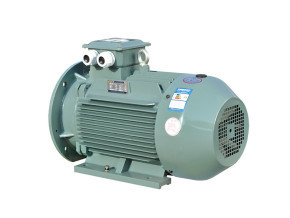
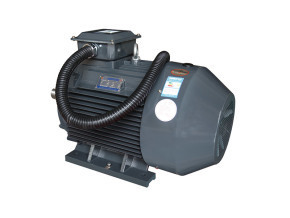
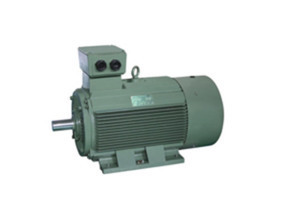
Industrial motors are pivotal for a variety of transportation equipment, driving everything from **electric vehicles (EVs)** to **heavy-duty trucks** and **public transportation systems**. Their primary role is to convert electrical energy into mechanical energy, thereby enabling the movement of machinery and equipment.
2.1 Types of Industrial Motors Used in Transportation
There are several types of motors employed in transportation, each with unique characteristics and applications:
- **AC Motors**: Known for their durability and efficiency, AC motors are commonly found in electric trains and trams.
- **DC Motors**: These motors are favored for applications requiring high torque at low speeds, such as in electric forklifts and golf carts.
- **Stepper Motors**: Often used for precise control in robotics and automated vehicles, these motors excel in applications needing exact positioning.
2.2 Benefits of Industrial Motors in Transportation
The adoption of industrial motors in transportation equipment offers numerous advantages, including:
- **Energy Efficiency**: Modern industrial motors are designed to minimize energy consumption, which is critical for reducing operational costs and environmental impact.
- **Reliability**: With fewer moving parts compared to conventional engines, electric motors boast lower maintenance needs and higher reliability.
- **Performance**: Industrial motors provide instant torque, improving acceleration and responsiveness in vehicles.
3. Key Players in the Industrial Motors Sector
Several companies dominate the landscape of industrial motors, driving innovation and competition within the sector:
3.1 Leading Manufacturers
- **Siemens**: A global leader in industrial motors, Siemens is at the forefront of developing efficient and innovative motor technologies.
- **General Electric (GE)**: With a wide range of motor solutions, GE plays a significant role in the transportation industry, especially in railway applications.
- **ABB**: ABB is recognized for its advanced motor technologies and automation solutions, contributing extensively to the electric vehicle market.
3.2 Emerging Companies
While established brands dominate the market, several emerging companies are innovating with new technologies and business models:
- **Nidec Corporation**: Specializing in small electric motors, Nidec is making strides in electric vehicle applications.
- **Yasa Motors**: Innovators in axial flux motor technology, Yasa is focused on providing high-performance electric motors for the automotive industry.
4. Innovative Technologies Driving Change
Technological advancements in industrial motors are transforming the transportation sector. Here, we explore some of the most impactful innovations:
4.1 Smart Motors
Integrating **IoT technology** into industrial motors allows for real-time monitoring and diagnostics. Smart motors can communicate performance data, leading to proactive maintenance and improved operational efficiency.
4.2 Advanced Materials
The use of lightweight materials, such as composites and high-strength alloys, enhances motor efficiency and performance while reducing overall vehicle weight. This innovation is particularly crucial for electric vehicles aiming for longer ranges and higher efficiency.
4.3 Energy Storage Solutions
With the rise of electric transportation, energy storage systems, such as batteries and supercapacitors, are evolving. Advanced power management systems, combined with industrial motors, enhance the overall efficiency and reliability of electric transportation systems.
5. Future Trends in Industrial Motors
The future of industrial motors in transportation is exciting and filled with potential. Here are some key trends to watch:
5.1 Electrification of Transportation
As governments worldwide push for greener policies, the electrification of transportation will accelerate. This shift will necessitate advancements in industrial motors, leading to more efficient, high-performance electric powertrains.
5.2 Increased Automation
Automation in transportation is set to rise, with autonomous vehicles becoming more mainstream. Industrial motors will play a crucial role in enabling robotic systems to navigate and operate efficiently.
5.3 Sustainability Focus
Environmental concerns are driving the development of sustainable industrial motors. Manufacturers are increasingly prioritizing eco-friendly designs, such as motors that use recycled materials and have lower carbon footprints.
6. Environmental Impact of Industrial Motors
The transition to electric transportation is not only about performance and efficiency; it also has significant environmental implications. **Industrial motors** contribute to reduced greenhouse gas emissions, particularly when powered by renewable energy sources.
6.1 Life Cycle Assessment
Understanding the environmental impact of industrial motors involves examining their entire life cycle, from raw material extraction to manufacturing, use, and disposal. Innovations in recycling and material sourcing are essential to minimize this impact.
6.2 Renewable Energy Integration
As the demand for clean energy rises, integrating industrial motors with renewable energy sources, such as solar and wind, can further enhance sustainability. This synergy supports the transition to a low-carbon economy.
7. Case Studies of Successful Implementation
Real-world examples illustrate how industrial motors have transformed transportation equipment and processes:
7.1 Electric Public Transportation in Cities
Cities around the world are adopting electric buses powered by advanced industrial motors. For example, in Los Angeles, the introduction of electric buses has reduced emissions and improved air quality, showcasing the potential of industrial motors in public transportation.
7.2 Robotics in Warehousing
Companies like Amazon utilize advanced industrial motors in their robotic systems to optimize warehousing processes. These motors enable precise movements, improving efficiency and reducing operational costs.
8. Frequently Asked Questions
8.1 What are industrial motors?
Industrial motors are devices that convert electrical energy into mechanical energy, used in various applications, including transportation equipment.
8.2 How do industrial motors impact transportation efficiency?
Industrial motors enhance transportation efficiency by providing reliable, energy-efficient power for vehicles and machinery.
8.3 What types of industrial motors are used in electric vehicles?
Electric vehicles typically use AC motors, DC motors, and stepper motors, each suited for different performance requirements.
8.4 What is the future of industrial motors in transportation?
The future of industrial motors in transportation includes trends toward electrification, automation, and sustainability.
8.5 How do industrial motors contribute to environmental sustainability?
Industrial motors contribute to sustainability by reducing emissions and integrating with renewable energy sources, ultimately supporting the transition to greener transportation.
9. Conclusion
Industrial motors are more than just components; they are key players in the evolution of transportation equipment. Their role is crucial in enhancing efficiency, sustainability, and automation within the industry. As technology continues to advance, the impact of industrial motors will only grow, driving innovations that reshape the future of transportation. By understanding the key players, emerging trends, and environmental considerations, we can appreciate how these motors are shaping a smarter, greener transportation landscape.
recommend News

Wu Dejun: General Manager
Hu Pengbin: Marketing Director
Production site:
No.28, Huaiying Road, Gaoqiao Town, Changsha City, Hunan Province
Zip Code: 410145
Telephone:0731-86156236
ZhenHua Packing Machinery
Online consultation
Leave a message quickly and our experts will contact you
ZhenHua Packing Machinery
Business License

SAF Coolest v1.3.1.2 设置面板 GAGSD-ZGYF-JESSE-ZEA
无数据提示
Sorry, the current column is being updated, please look forward to it!
You can view other columns or returnHome Page