




Understanding Subway Motors: The Heart of Urban Transit Systems
2026-11-12

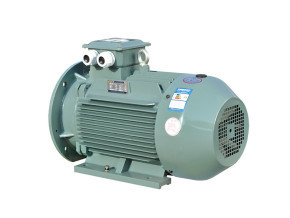
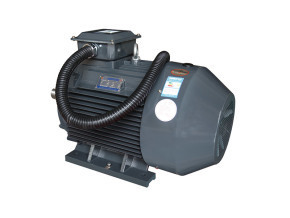
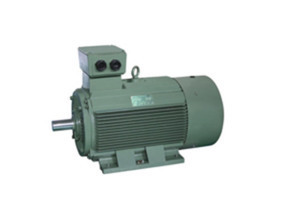
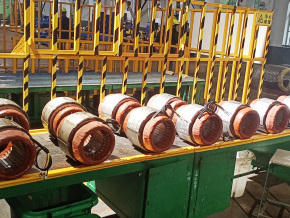
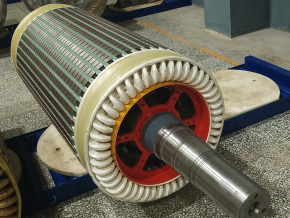
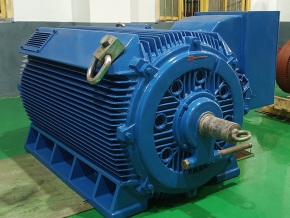
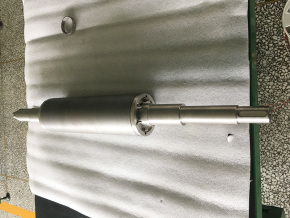
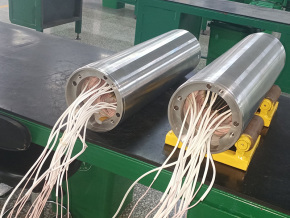
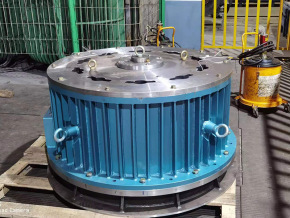
Subway motors are essential components in urban transit systems, playing a pivotal role in the operation of trains that facilitate daily commutes for millions. These motors transform electrical energy into mechanical energy, enabling the train to move along the tracks. Understanding the workings and types of subway motors can greatly enhance the efficiency and reliability of transportation systems.
Subway motors typically fall into two main categories: AC (Alternating Current) motors and DC (Direct Current) motors. AC motors are known for their robustness and efficiency, making them popular in modern subway systems where high-speed operation is required. They provide a smooth and continuous power supply, which translates into steady acceleration and braking for the trains. On the other hand, DC motors, while less common in new installations, are still prevalent in older systems due to their simple control mechanisms and good torque characteristics at low speeds.
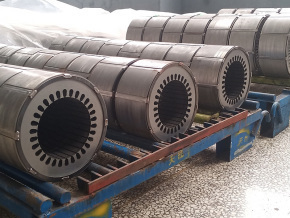
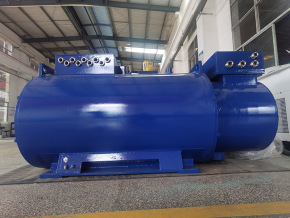
The design and construction of subway motors are engineered to withstand demanding conditions. These motors are usually housed in a protective casing that shields them from dust, moisture, and other environmental factors. Additionally, they are designed to handle the intense vibrations and mechanical stresses that occur during operation. The longevity and reliability of subway motors are crucial, as any failure can lead to delays and safety hazards in urban transit.
Another critical factor to consider is the method of control for subway motors. Advances in technology have led to the development of sophisticated control systems that manage the speed and direction of the motors. These systems utilize various methods, including variable frequency drives (VFDs), which allow for precise control of the motor’s operation. This not only optimizes energy consumption but also enhances the overall performance of the subway system.
Maintenance is another vital aspect of subway motor operation. Regular inspections and preventative maintenance schedules are essential to ensure that motors function at optimal levels. This includes monitoring for signs of wear and tear, checking electrical connections, and ensuring that lubrication is maintained in moving parts. Implementing a robust maintenance program can significantly extend the lifespan of subway motors and reduce the risk of unexpected breakdowns.
In summary, subway motors are integral to the efficiency and reliability of urban transit systems. By understanding the types, functionality, and maintenance of these motors, transportation professionals can ensure that their systems operate smoothly and effectively. Whether dealing with AC or DC motors, recognizing the importance of these components will ultimately lead to improved service and user satisfaction in public transportation.
Previous Page:
recommend News

Wu Dejun: General Manager
Hu Pengbin: Marketing Director
Production site:
No.28, Huaiying Road, Gaoqiao Town, Changsha City, Hunan Province
Zip Code: 410145
Telephone:0731-86156236
ZhenHua Packing Machinery
Online consultation
Leave a message quickly and our experts will contact you
ZhenHua Packing Machinery
Business License

SAF Coolest v1.3.1.2 设置面板 GAGSD-ZGYF-JESSE-ZEA
无数据提示
Sorry, the current column is being updated, please look forward to it!
You can view other columns or returnHome Page