




How Industrial Permanent Magnet Motors Revolutionize Energy Efficiency in Transport
2026-11-21

How Industrial Permanent Magnet Motors Revolutionize Energy Efficiency in Transport
Table of Contents
- 1. Introduction to Industrial Permanent Magnet Motors
- 2. Understanding Energy Efficiency in Transport
- 3. What Are Industrial Permanent Magnet Motors?
- 4. Benefits of Using Permanent Magnet Motors in Transportation
- 5. Applications of Permanent Magnet Motors in the Transport Sector
- 6. Comparative Analysis: Permanent Magnet Motors vs. Traditional Motors
- 7. Challenges and Solutions in Implementing Permanent Magnet Technology
- 8. The Future of Permanent Magnet Motors in Transportation
- 9. Frequently Asked Questions
- 10. Conclusion
1. Introduction to Industrial Permanent Magnet Motors
The transport industry is undergoing a remarkable transformation aimed at achieving greater energy efficiency and sustainability. A pivotal player in this evolution is the industrial permanent magnet motor. These motors utilize high-performance permanent magnets to generate magnetic fields, leading to improved efficiency rates and reduced energy consumption. This article delves into how these motors enhance energy efficiency in transport, their various applications, benefits, and what the future holds.
2. Understanding Energy Efficiency in Transport
Energy efficiency in transport refers to the optimal use of energy resources to maximize output while minimizing waste. In today’s context, improving energy efficiency is crucial for reducing greenhouse gas emissions, lowering operational costs, and sustaining economic growth. The transport sector, especially, is responsible for a significant portion of global energy consumption, thus calling for innovative solutions like permanent magnet motors.
2.1 The Need for Energy Efficiency
As the demand for transportation increases, so does the need for **energy-efficient solutions**. Traditional motors often waste a considerable amount of energy due to heat losses and inefficiencies in conversion. In this landscape, adopting technologies that enhance energy efficiency is not just beneficial; it is necessary for environmental sustainability and economic viability.
3. What Are Industrial Permanent Magnet Motors?
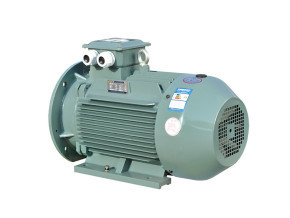
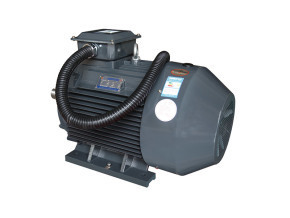
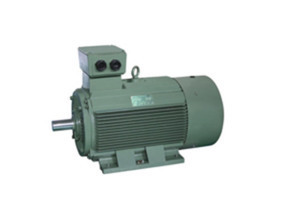
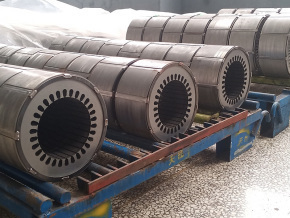
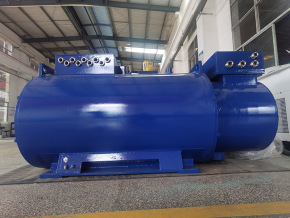
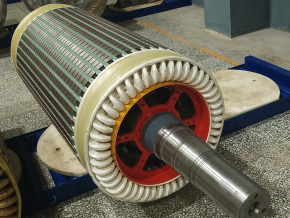
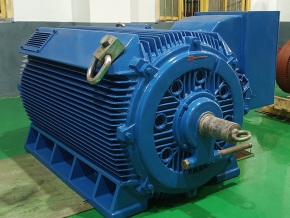
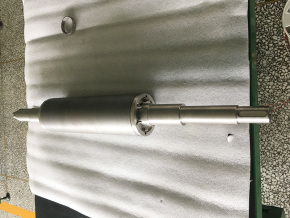
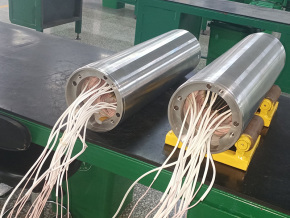
Industrial permanent magnet motors are electric motors that employ permanent magnets to create a magnetic field. These motors stand out for their compact design, lightweight features, and high efficiency levels. The absence of windings on the rotor leads to reduced losses and enhanced performance.
3.1 Types of Permanent Magnet Motors
There are several types of permanent magnet motors, including:
- **Synchronous Permanent Magnet Motors (SPMM)**: These motors operate at a constant speed and are highly efficient for applications requiring precision.
- **Brushless DC Motors (BLDC)**: These are used in various applications due to their high reliability and efficiency.
- **Switched Reluctance Motors (SRM)**: Known for their robustness and ability to operate in harsh conditions.
4. Benefits of Using Permanent Magnet Motors in Transportation
The adoption of industrial permanent magnet motors in the transport sector brings numerous benefits:
4.1 Enhanced Energy Efficiency
Permanent magnet motors can achieve efficiency levels of up to 95%, which translates to significant energy savings compared to traditional induction motors. This efficiency is crucial in minimizing operational costs for transport companies.
4.2 Compact Design and Lightweight
These motors are generally smaller and lighter than their counterparts, allowing for more flexible designs in vehicles. This compactness can lead to reduced weight in transport systems, further enhancing energy efficiency.
4.3 Low Maintenance Requirements
One of the notable advantages of permanent magnet motors is their lower maintenance needs. The absence of brushes and the reduced wear and tear mean that these motors can operate for extended periods with less downtime.
4.4 Improved Torque and Speed Control
Permanent magnet motors provide excellent torque generation and speed control, making them ideal for various transport applications, including electric vehicles and trains.
5. Applications of Permanent Magnet Motors in the Transport Sector
Permanent magnet motors are finding applications across various transport modalities:
5.1 Electric Vehicles (EVs)
Electric vehicles are at the forefront of the transport revolution, and permanent magnet motors play a crucial role in their performance. The efficiency and lightweight characteristics of these motors make them ideal for electric cars, trucks, and buses.
5.2 Trains and Rail Systems
In rail transport, permanent magnet motors are increasingly being used in high-speed trains and urban transit systems. These motors offer smooth acceleration and deceleration, contributing to a more comfortable ride.
5.3 Maritime Transport
The maritime sector is also embracing permanent magnet technology. From electric ferries to marine propulsion systems, these motors enhance energy efficiency while reducing emissions.
5.4 Drones and Unmanned Aerial Vehicles (UAVs)
As drones and UAVs become more prevalent in logistics and transportation, the lightweight and efficient nature of permanent magnet motors makes them an excellent choice for powering these aircraft.
6. Comparative Analysis: Permanent Magnet Motors vs. Traditional Motors
When comparing permanent magnet motors with traditional induction motors, several key differences emerge:
6.1 Efficiency and Performance
Permanent magnet motors outperform traditional motors in terms of energy efficiency. While induction motors often operate at efficiencies of around 80%, permanent magnet motors can achieve efficiencies exceeding 95%.
6.2 Size and Weight
The compact design of permanent magnet motors allows for substantial weight savings in transport applications. This reduction in weight translates to enhanced performance and lower energy consumption.
6.3 Cost Considerations
Although the initial cost of permanent magnet motors may be higher due to material costs, the long-term savings in energy and maintenance often justify this investment.
7. Challenges and Solutions in Implementing Permanent Magnet Technology
Despite their numerous advantages, the adoption of permanent magnet motors in transport is not without challenges.
7.1 Material Costs and Supply Chain Issues
The materials used in permanent magnets, particularly rare earth elements, can be costly and subject to supply chain volatility. Developing alternative materials and recycling options is imperative for mitigating these concerns.
7.2 Technological Integration
Integrating permanent magnet motors into existing transport systems requires careful planning and technological adaptation. Collaborations between manufacturers and transport companies can facilitate smoother transitions.
7.3 Regulatory Challenges
As the transport sector evolves, regulatory frameworks must adapt to accommodate new technologies. Advocating for supportive policies can foster an environment conducive to innovation.
8. The Future of Permanent Magnet Motors in Transportation
The future of permanent magnet motors in the transport sector looks promising. As technological advancements continue, we can expect:
8.1 Increased Adoption in Emerging Markets
Emerging markets are beginning to recognize the benefits of adopting permanent magnet technology, driven by the demand for energy-efficient solutions.
8.2 Ongoing Research and Development
Continued R&D efforts are expected to enhance the performance of permanent magnet motors and reduce costs, making them more accessible to various sectors.
8.3 Sustainable Practices
As sustainability becomes a focal point for industries worldwide, the role of permanent magnet motors in reducing environmental impact will grow increasingly important.
9. Frequently Asked Questions
9.1 What are the key advantages of permanent magnet motors over traditional motors?
The key advantages include higher efficiency, lower maintenance requirements, compact size, and better torque control.
9.2 Can permanent magnet motors be used in all types of transport applications?
While they are suitable for many applications, specific use cases will depend on factors such as power requirements, size constraints, and cost considerations.
9.3 What is the lifespan of a permanent magnet motor?
The lifespan can vary, but they typically last longer than traditional motors due to fewer moving parts and lower operational stress.
9.4 Are there any environmental concerns associated with permanent magnet motors?
The sourcing of materials used in permanent magnets can raise environmental concerns; however, ongoing research focuses on developing sustainable alternatives.
9.5 What are the future trends for permanent magnet motors in transportation?
Future trends include increased adoption in new markets, advancements in technology, and a growing focus on sustainability.
10. Conclusion
Industrial permanent magnet motors are poised to play a critical role in the transformation of the transport sector towards greater energy efficiency. Their numerous advantages, including enhanced performance, reduced energy consumption, and minimal maintenance requirements, make them an ideal choice for modern transportation applications. As the industry embraces this technology, we anticipate a future marked by sustainable practices, innovative solutions, and a significant reduction in the environmental impact of transport. The journey towards a more energy-efficient transport system has truly begun, and permanent magnet motors are leading the way.
Previous Page:
recommend News

Wu Dejun: General Manager
Hu Pengbin: Marketing Director
Production site:
No.28, Huaiying Road, Gaoqiao Town, Changsha City, Hunan Province
Zip Code: 410145
Telephone:0731-86156236
ZhenHua Packing Machinery
Online consultation
Leave a message quickly and our experts will contact you
ZhenHua Packing Machinery
Business License

SAF Coolest v1.3.1.2 设置面板 GAGSD-ZGYF-JESSE-ZEA
无数据提示
Sorry, the current column is being updated, please look forward to it!
You can view other columns or returnHome Page