




Unlocking Efficiency: The Role of High-Efficiency Motors in Transportation
2026-10-25

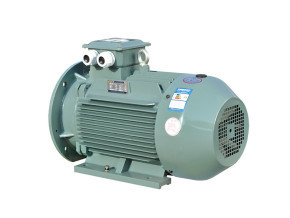
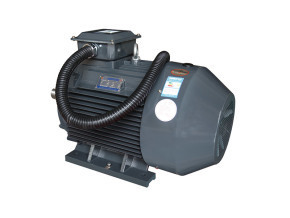
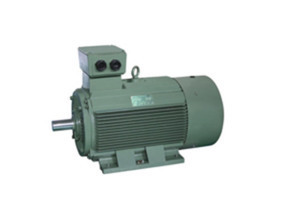
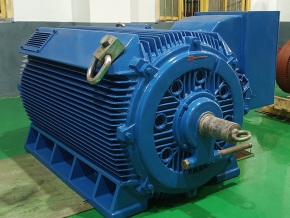
High-efficiency motors are becoming increasingly vital in the transportation industry, particularly in sectors requiring reliable and energy-efficient technologies. These motors are designed to convert electrical energy into mechanical energy with minimal losses, thereby optimizing performance while decreasing energy consumption. As the global focus shifts towards sustainability and reducing carbon footprints, the implementation of high-efficiency motors is a significant step in the right direction.
One of the primary advantages of high-efficiency motors is their ability to operate at a lower temperature, which enhances their lifespan and reliability. By generating less heat during operation, these motors require less cooling and can function effectively in various environments. This attribute is particularly beneficial in the transportation sector, where equipment is often subject to extreme conditions and prolonged usage.
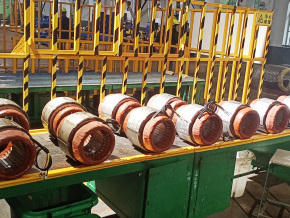
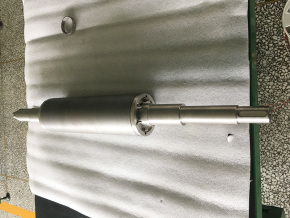
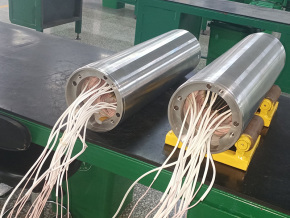
Moreover, high-efficiency motors contribute significantly to energy savings. By utilizing advanced design and technology, such as improved magnetic materials and optimized windings, these motors achieve higher efficiency ratings. This translates to reduced electricity bills for operators and contributes to the overall economic viability of transportation projects. The lower energy consumption also aligns with global sustainability goals, as it results in reduced greenhouse gas emissions associated with energy production.
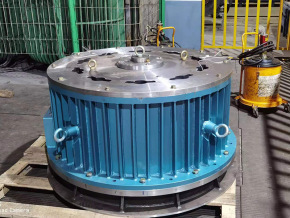
In addition to their energy-saving capabilities, high-efficiency motors are adaptable and can be integrated into a wide range of transportation applications, including electric vehicles, rail systems, and various industrial equipment. Their versatility makes them suitable for both new projects and retrofitting existing systems. For instance, by upgrading to high-efficiency motors, operators in the transportation sector can enhance the performance of their systems without the need for complete overhauls.
Furthermore, high-efficiency motors comply with various regulatory standards aimed at promoting energy efficiency. Compliance with these regulations not only helps companies avoid potential fines but can also enhance their reputation as environmentally responsible operators. This is increasingly important in a market where consumers are more conscious about sustainability.
In conclusion, high-efficiency motors are a game-changer for the transportation industry. They deliver improved performance, significant energy savings, and a positive environmental impact. As the demand for efficient and sustainable transportation solutions continues to grow, the adoption of high-efficiency motors will play a crucial role in shaping the future of transport systems around the world. Embracing this technology is not just about staying competitive; it’s about investing in a sustainable future.
Previous Page:
recommend News

Wu Dejun: General Manager
Hu Pengbin: Marketing Director
Production site:
No.28, Huaiying Road, Gaoqiao Town, Changsha City, Hunan Province
Zip Code: 410145
Telephone:0731-86156236
ZhenHua Packing Machinery
Online consultation
Leave a message quickly and our experts will contact you
ZhenHua Packing Machinery
Business License

SAF Coolest v1.3.1.2 设置面板 GAGSD-ZGYF-JESSE-ZEA
无数据提示
Sorry, the current column is being updated, please look forward to it!
You can view other columns or returnHome Page