




Behind the Scenes: The Impact of Subway Motors on Daily Commuting Experience
2026-10-10

Behind the Scenes: The Impact of Subway Motors on Daily Commutes
Table of Contents
- Introduction to Subway Motors and Commuting
- Mechanics of Subway Motors: How They Work
- The Role of Subway Motors in Daily Operations
- Efficiency and Performance: What Commuters Should Know
- Innovation in Subway Motors: The Future of Commuting
- Challenges Faced by Subway Motor Systems
- Environmental Impact of Subway Motors
- FAQs about Subway Motors and Commuting
- Conclusion: The Essential Role of Subway Motors
Introduction to Subway Motors and Commuting
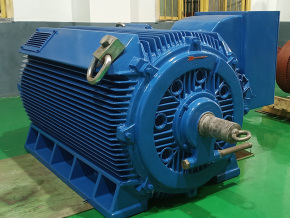
Subway systems serve as the backbone of urban transportation in countless cities worldwide. At the heart of this extensive network lie **subway motors**, the powerhouses that enable trains to travel efficiently and reliably. Understanding the role of these motors is crucial, as they directly influence the quality of daily commutes for millions of passengers. This article will explore the intricate workings of subway motors, their impact on commuting experiences, and emerging technologies shaping their future.
Mechanics of Subway Motors: How They Work
Subway motors operate on fundamental principles of electromagnetism and mechanical engineering. Typically, these systems use either **DC (Direct Current) motors** or **AC (Alternating Current) motors**.
DC Motors: The Traditional Choice
Historically, DC motors have been the preferred choice for subway systems due to their simplicity and effectiveness. They offer high torque at low speeds, making them ideal for the initial acceleration of heavy subway trains. However, they require regular maintenance, particularly in the form of brush replacements.
AC Motors: The Modern Solution
In recent years, **AC motors** have gained popularity due to their efficiency and lower maintenance needs. These motors can operate at higher speeds and provide smoother acceleration and deceleration, significantly enhancing the passenger experience. The integration of **inverter technology** allows for precise control over speed and torque, resulting in better energy consumption and less wear and tear.
The Role of Gearboxes
Gearboxes also play a critical role in the functioning of subway motors. They convert the rotational speed of the motor into the appropriate levels needed to drive the train wheels effectively. Different gear ratios are employed depending on the specific needs of each subway line, balancing speed and acceleration.
The Role of Subway Motors in Daily Operations
Subway motors are not just essential for movement; they also contribute to the overall efficiency of subway operations. They enable trains to achieve the required speeds, stop at designated stations, and maintain consistent schedules.
The Importance of Reliability
Reliability is paramount in urban transit systems. A malfunctioning motor can lead to delays, impacting the daily routines of commuters. Subway systems employ rigorous testing and maintenance schedules to ensure that motors are in optimal condition, minimizing the risk of operational hiccups.
Real-Time Monitoring Systems
To further enhance reliability, many subway operators have implemented **real-time monitoring systems** that track the performance of motors. These systems analyze data on speed, temperature, and operational efficiency, allowing for proactive maintenance and quick interventions when necessary.
Efficiency and Performance: What Commuters Should Know
The efficiency of subway motors directly correlates with the performance of the entire subway system. Efficient motors help reduce energy consumption, leading to lower operational costs and environmental benefits.
Energy Efficiency Metrics
Subway operators often assess the energy efficiency of their motors using metrics such as **kWh per passenger mile**. More efficient motors translate to lower energy costs and a reduced carbon footprint, which is increasingly important in today’s eco-conscious world.
Impact on Commuter Experience
Enhanced motor efficiency not only lowers operational costs but also improves the comfort of passengers. Smooth acceleration and deceleration contribute to a more pleasant riding experience, reducing the jarring sensations often associated with older subway systems.
Innovation in Subway Motors: The Future of Commuting
The future of subway motors is marked by **innovation** and technological advancements. As cities continue to expand, the need for efficient and sustainable transport solutions becomes more critical.
Emerging Technologies
Recent innovations include **regenerative braking** systems that allow subway motors to recover energy during braking, feeding it back into the grid. This not only saves energy but also enhances the overall efficiency of the subway system.
Hybrid and Electric Systems
The development of hybrid and all-electric subway systems represents a significant shift towards more sustainable transportation solutions. These systems utilize advanced battery technology, allowing trains to operate with minimal emissions, thus contributing to cleaner urban air.
Challenges Faced by Subway Motor Systems
Despite the advancements and innovations, subway motor systems face various challenges.
Maintenance and Upgrades
One of the most significant challenges is maintaining and upgrading aging infrastructure. Many subway systems worldwide still rely on older technology, which can be inefficient and costly to maintain. Transitioning to newer systems requires substantial investment and careful planning.
Technical Limitations
Technical limitations also pose challenges. For instance, the size and weight of motors can limit design flexibility and require more robust systems to handle increased power demands.
Environmental Impact of Subway Motors
As urban populations grow, the environmental impact of transportation becomes more crucial. Subway motors contribute to a relatively lower carbon footprint compared to cars and buses.
Reducing Urban Pollution
By providing a reliable alternative to personal vehicles, subway systems equipped with efficient motors help reduce urban pollution. They encourage public transport usage, which leads to fewer cars on the road, decreasing overall emissions.
Sustainable Practices
Many subway operators are adopting sustainable practices, such as using recyclable materials for construction and maintenance, which enhances the environmental benefits of subway systems.
FAQs about Subway Motors and Commuting
1. How do subway motors affect commute times?
Subway motors directly influence commute times by determining the speed and efficiency of trains. Efficient motors help maintain schedules and minimize delays.
2. What types of motors are used in subway systems?
Subway systems primarily use either DC motors or AC motors, with a growing trend toward AC motors due to their efficiency and lower maintenance requirements.
3. How often are subway motors maintained?
Maintenance schedules vary by system but typically include regular inspections and preventive maintenance to ensure reliability and performance.
4. Are subway motors environmentally friendly?
Yes, subway motors are generally more environmentally friendly than personal vehicles, as they reduce congestion and emissions in urban areas.
5. What is regenerative braking in subway systems?
Regenerative braking is a technology that allows subway motors to recover energy during braking and feed it back into the system, improving overall energy efficiency.
Conclusion: The Essential Role of Subway Motors
Subway motors play a vital role in shaping the daily commuting experience for millions of people. Their efficiency, reliability, and continuous innovation make them essential components of modern urban transportation. As cities evolve and the demand for sustainable transport solutions increases, the importance of subway motors will only grow. By understanding their impact and the technologies that drive them, commuters can appreciate the intricacies of their daily journeys and the powerful machines that make it all possible.
recommend News

Wu Dejun: General Manager
Hu Pengbin: Marketing Director
Production site:
No.28, Huaiying Road, Gaoqiao Town, Changsha City, Hunan Province
Zip Code: 410145
Telephone:0731-86156236
ZhenHua Packing Machinery
Online consultation
Leave a message quickly and our experts will contact you
ZhenHua Packing Machinery
Business License

SAF Coolest v1.3.1.2 设置面板 GAGSD-ZGYF-JESSE-ZEA
无数据提示
Sorry, the current column is being updated, please look forward to it!
You can view other columns or returnHome Page