




The Essential Role of Industrial Motors in Transportation Equipment
2026-10-07

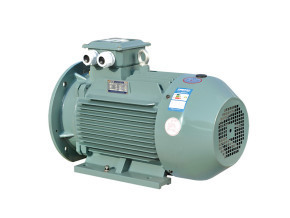
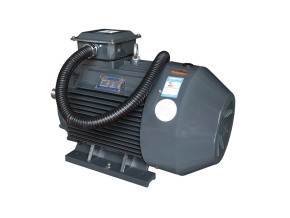
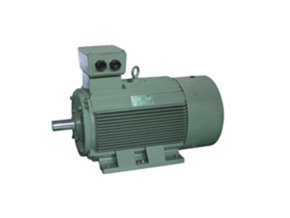
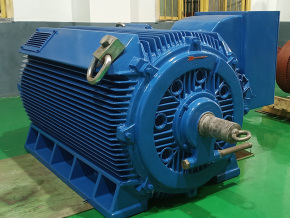
Industrial motors are critical components in the field of transportation, particularly in the development and operation of various transportation equipment and components. These motors are designed to convert electrical energy into mechanical energy, driving various systems and applications that require precise movement and control. In the transportation sector, industrial motors play an essential role in improving efficiency, reliability, and safety.
One of the key applications of industrial motors in transportation is in electric vehicles (EVs). As the automotive industry shifts towards sustainable solutions, industrial motors are at the forefront, providing the necessary power to drive electric drivetrains. These motors typically offer high torque and efficiency, essential for overcoming inertia and achieving desired speed. The integration of advanced motor technologies, such as brushless DC motors, has led to improvements in energy consumption, battery life, and overall vehicle performance.
Another significant application of industrial motors is found in transportation systems like conveyor belts, which are widely used in logistics and freight handling. These systems rely on industrial motors to move goods efficiently through various processes. The motors used in these applications must be robust, capable of handling heavy loads, and designed for continuous operation to ensure that goods are transported safely and without delays.
Moreover, industrial motors are also employed in public transport systems, such as trains and trams. In these settings, they are responsible for propelling vehicles, managing doors, and powering auxiliary systems. The reliability and performance of these motors are critical, as they directly affect the safety and efficiency of public transport operations.
Industrial motors are designed with various features that cater to the specific needs of the transportation sector. For instance, many motors are built to withstand harsh environmental conditions, ensuring durability and longevity. Features such as adjustable speed control, high torque at low speeds, and energy-efficient designs are vital for meeting the demands of transportation applications.
In addition to their operational benefits, industrial motors contribute to the overall sustainability of transportation systems. With a growing emphasis on reducing carbon footprints, the use of efficient electric motors helps minimize energy consumption and lower greenhouse gas emissions. This shift towards more sustainable technologies aligns with global efforts to create greener transportation solutions.
In conclusion, industrial motors are indispensable in the transportation sector, serving various applications from electric vehicles to public transit systems. Their ability to provide reliable, efficient, and sustainable power solutions makes them crucial for the advancement of transportation technologies. Understanding the role and capabilities of industrial motors can help stakeholders in the transportation industry optimize their systems for better performance and sustainability.
One of the key applications of industrial motors in transportation is in electric vehicles (EVs). As the automotive industry shifts towards sustainable solutions, industrial motors are at the forefront, providing the necessary power to drive electric drivetrains. These motors typically offer high torque and efficiency, essential for overcoming inertia and achieving desired speed. The integration of advanced motor technologies, such as brushless DC motors, has led to improvements in energy consumption, battery life, and overall vehicle performance.
Another significant application of industrial motors is found in transportation systems like conveyor belts, which are widely used in logistics and freight handling. These systems rely on industrial motors to move goods efficiently through various processes. The motors used in these applications must be robust, capable of handling heavy loads, and designed for continuous operation to ensure that goods are transported safely and without delays.
Moreover, industrial motors are also employed in public transport systems, such as trains and trams. In these settings, they are responsible for propelling vehicles, managing doors, and powering auxiliary systems. The reliability and performance of these motors are critical, as they directly affect the safety and efficiency of public transport operations.
Industrial motors are designed with various features that cater to the specific needs of the transportation sector. For instance, many motors are built to withstand harsh environmental conditions, ensuring durability and longevity. Features such as adjustable speed control, high torque at low speeds, and energy-efficient designs are vital for meeting the demands of transportation applications.
In addition to their operational benefits, industrial motors contribute to the overall sustainability of transportation systems. With a growing emphasis on reducing carbon footprints, the use of efficient electric motors helps minimize energy consumption and lower greenhouse gas emissions. This shift towards more sustainable technologies aligns with global efforts to create greener transportation solutions.
In conclusion, industrial motors are indispensable in the transportation sector, serving various applications from electric vehicles to public transit systems. Their ability to provide reliable, efficient, and sustainable power solutions makes them crucial for the advancement of transportation technologies. Understanding the role and capabilities of industrial motors can help stakeholders in the transportation industry optimize their systems for better performance and sustainability.
recommend News

Wu Dejun: General Manager
Hu Pengbin: Marketing Director
Production site:
No.28, Huaiying Road, Gaoqiao Town, Changsha City, Hunan Province
Zip Code: 410145
Telephone:0731-86156236
ZhenHua Packing Machinery
Online consultation
Leave a message quickly and our experts will contact you
ZhenHua Packing Machinery
Business License

SAF Coolest v1.3.1.2 设置面板 GAGSD-ZGYF-JESSE-ZEA
无数据提示
Sorry, the current column is being updated, please look forward to it!
You can view other columns or returnHome Page