




The Impact of High-Efficiency Motors on Reducing Transportation Costs
2026-10-04

The Impact of High-Efficiency Motors on Reducing Transportation Costs
Table of Contents
- 1. Introduction to High-Efficiency Motors
- 2. Understanding Motor Efficiency
- 3. The Importance of Reducing Transportation Costs
- 4. Benefits of High-Efficiency Motors in Transportation
- 5. Case Studies: Success Stories of High-Efficiency Motors
- 6. Challenges in Implementing High-Efficiency Motors
- 7. Future Trends in Efficient Transportation Technologies
- 8. Conclusion
- 9. FAQs
1. Introduction to High-Efficiency Motors
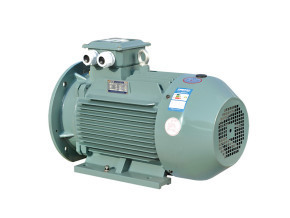
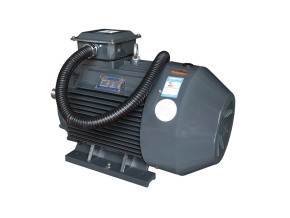
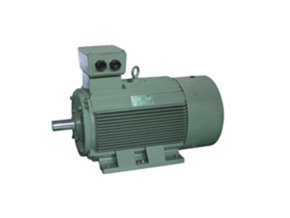
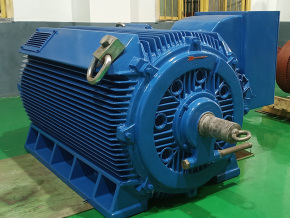
High-efficiency motors have emerged as vital components in the quest for more sustainable and cost-effective transportation solutions. As industries strive to reduce their carbon footprint and operational expenses, these advanced motors play a crucial role. By significantly improving energy conversion rates, high-efficiency motors enable a more efficient operation of various transportation systems, from electric vehicles to heavy-duty freight transport.
2. Understanding Motor Efficiency
Motor efficiency refers to the ratio of mechanical output power to electrical input power. In simpler terms, it is a measure of how well a motor converts electrical energy into mechanical energy. High-efficiency motors achieve efficiency ratings of 90% or higher, compared to traditional motors, which often operate at around 70% to 85%. This increased efficiency leads to lower energy consumption and, consequently, reduced operational costs.
2.1 How Motor Efficiency is Measured
Motor efficiency is typically measured using the following parameters:
- **Efficiency Rating:** This is often represented as a percentage and denotes how much of the input power is converted into usable output.
- **Load Factor:** The efficiency of the motor can vary depending on the load it carries. High-efficiency motors maintain their performance across various load conditions.
- **Power Factor:** A higher power factor indicates better efficiency in energy use, which is crucial for transport applications.
3. The Importance of Reducing Transportation Costs
Reducing transportation costs is imperative for businesses across all sectors. High costs can erode profit margins, hinder competitiveness, and limit growth. Key factors contributing to these costs include:
- **Fuel Expenses:** Rising fuel prices greatly impact operational budgets.
- **Maintenance Costs:** Inefficient motors often require more frequent maintenance, increasing overall expenses.
- **Regulatory Compliance:** Stricter emissions regulations necessitate the adoption of more efficient technologies.
By adopting high-efficiency motors, companies can address these challenges head-on, leading to more sustainable operations.
3.1 Fuel Economy and Its Impact
Fuel economy is a critical component of transportation costs. High-efficiency motors, by optimizing energy use, can lead to substantial reductions in fuel consumption. This translates into direct savings for businesses, reducing their dependence on volatile fuel markets.
4. Benefits of High-Efficiency Motors in Transportation
High-efficiency motors bring numerous advantages that extend beyond mere fuel savings. Key benefits include:
4.1 Enhanced Reliability and Longevity
High-efficiency motors are designed to operate under less strain, which often leads to increased reliability and a longer lifespan. This reduction in wear and tear means fewer breakdowns and lower maintenance costs.
4.2 Lower Operating Costs
The primary advantage of these motors is the significant reduction in operating costs. With lower energy consumption and fewer breakdowns, businesses can achieve substantial cost savings.
4.3 Environmental Benefits
Adopting high-efficiency motors contributes to lower greenhouse gas emissions. This not only helps companies meet regulatory requirements but also enhances their corporate social responsibility (CSR) profile.
4.4 Improved Performance
High-efficiency motors offer better torque and speed characteristics, which can enhance the overall performance of transportation systems, from public transit to freight operations.
5. Case Studies: Success Stories of High-Efficiency Motors
Real-world applications of high-efficiency motors showcase their benefits across various transportation sectors. Here are notable case studies:
5.1 Electric Buses in Urban Transit
Cities implementing electric buses equipped with high-efficiency motors have reported up to 30% reductions in operational costs. These savings stem from lower energy usage and reduced maintenance needs.
5.2 Shipping Industry Innovations
Shipping companies that have upgraded to high-efficiency motors in their fleets have experienced significant decreases in fuel costs. One company reported savings of over 20% on fuel expenditures after transitioning to these motors.
6. Challenges in Implementing High-Efficiency Motors
While the benefits are apparent, transitioning to high-efficiency motors does present challenges:
6.1 Initial Investment Costs
The upfront costs associated with purchasing and installing high-efficiency motors can be a barrier for many businesses, especially smaller operators. However, these costs should be viewed in the context of long-term savings.
6.2 Workforce Training
Adopting new technologies often requires training personnel to ensure they can operate and maintain high-efficiency motors effectively. This training can involve time and resources, which may deter some businesses from making the switch.
7. Future Trends in Efficient Transportation Technologies
The future of transportation is leaning heavily towards increased efficiency and sustainability:
7.1 Innovations in Motor Technology
Continuous advancements in motor technology, such as the development of smart motors with integrated control systems, are expected to further enhance efficiency.
7.2 Government Incentives and Regulations
As governments around the world implement stricter emissions standards and offer incentives for adopting energy-efficient technologies, businesses will be encouraged to invest in high-efficiency motors.
8. Conclusion
The transition to high-efficiency motors presents a compelling opportunity for businesses within the transportation sector to reduce operational costs while also enhancing environmental sustainability. By understanding their benefits, addressing implementation challenges, and keeping abreast of future trends, organizations can position themselves at the forefront of efficient transportation solutions.
9. FAQs
9.1 What are high-efficiency motors?
High-efficiency motors are designed to convert electrical energy into mechanical energy with minimal losses, achieving efficiency ratings of 90% or higher.
9.2 How do high-efficiency motors reduce transportation costs?
They lower energy consumption, decrease maintenance needs, and enhance overall operational efficiency, leading to substantial cost savings.
9.3 Are high-efficiency motors more expensive to purchase?
Yes, the initial investment may be higher than traditional motors, but the long-term savings often justify the cost.
9.4 What industries benefit most from high-efficiency motors?
Transportation, manufacturing, and logistics industries can significantly benefit from high-efficiency motors.
9.5 What trends are shaping the future of motor technology?
Emerging technologies, such as smart motors and increased government regulations, are driving the adoption of high-efficiency motors in various sectors.
This comprehensive exploration of high-efficiency motors and their impact on transportation costs provides businesses with the knowledge needed to make informed decisions for a more sustainable and cost-effective future.
recommend News

Wu Dejun: General Manager
Hu Pengbin: Marketing Director
Production site:
No.28, Huaiying Road, Gaoqiao Town, Changsha City, Hunan Province
Zip Code: 410145
Telephone:0731-86156236
ZhenHua Packing Machinery
Online consultation
Leave a message quickly and our experts will contact you
ZhenHua Packing Machinery
Business License

SAF Coolest v1.3.1.2 设置面板 GAGSD-ZGYF-JESSE-ZEA
无数据提示
Sorry, the current column is being updated, please look forward to it!
You can view other columns or returnHome Page