




Rail Transit Motors: Key Components for Reliable Transportation
2026-09-22

Rail Transit Motors: Key Components for Reliable Transportation
Table of Contents
- 1. Introduction to Rail Transit Motors
- 2. Importance of Rail Transit Motors in Modern Transportation
- 3. Key Components of Rail Transit Motors
- 3.1 The Stator: The Heart of the Motor
- 3.2 The Rotor: Generating Motion
- 3.3 Winding Systems: Powering the Future
- 3.4 Bearings: Ensuring Smooth Operation
- 3.5 Cooling Systems: Maintaining Efficiency
- 4. Technological Advancements in Rail Transit Motors
- 5. Maintenance and Reliability of Rail Transit Motors
- 6. Challenges in Rail Transit Motor Technology
- 7. The Future of Rail Transit Motors
- 8. Frequently Asked Questions
- 9. Conclusion
1. Introduction to Rail Transit Motors
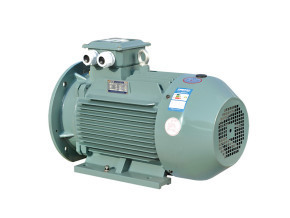
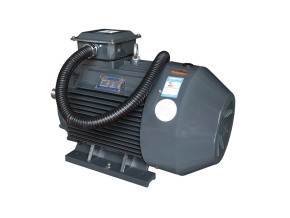
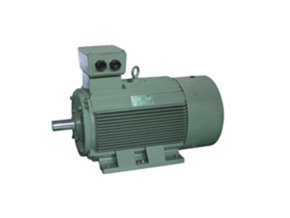
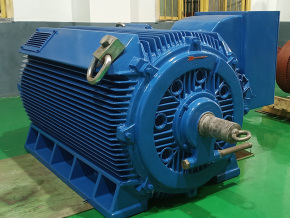
Rail transit motors are crucial for the operation of trains, trams, and other rail systems. These powerful machines convert electrical energy into mechanical energy, propelling vehicles along tracks and ensuring they reach their destinations safely and efficiently. Understanding the components and functionality of these motors is essential for industry professionals, engineers, and anyone interested in the mechanics of transportation.
2. Importance of Rail Transit Motors in Modern Transportation
Rail transit systems are a backbone of urban infrastructure, providing an efficient means of transportation for millions of passengers daily. The reliability and performance of these systems heavily depend on the rail transit motors' efficiency. A well-functioning motor not only enhances service quality but also minimizes operational costs and downtime. The significance of these motors cannot be overstated, as they are integral to maintaining timely and reliable transportation services.
3. Key Components of Rail Transit Motors
Understanding the essential components of rail transit motors is vital for grasping their functionality and reliability. Each part plays a specific role in ensuring that these motors operate efficiently.
3.1 The Stator: The Heart of the Motor
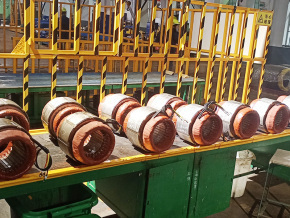
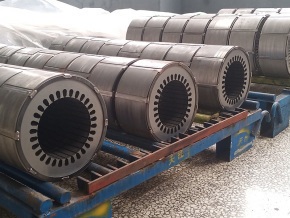
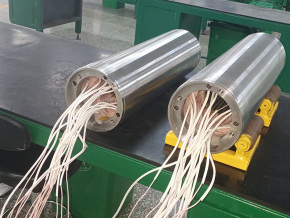
The stator is the stationary part of the motor, consisting of a core made from laminated silicon steel. It houses the copper windings that create magnetic fields when electrical current passes through. The design of the stator is crucial as it determines the motor's efficiency and performance. Different types of stator configurations can affect torque generation and overall energy consumption, making it a key component in rail transit motors.
3.2 The Rotor: Generating Motion
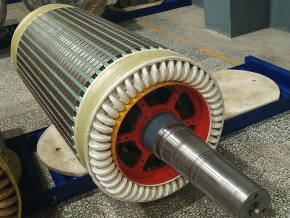
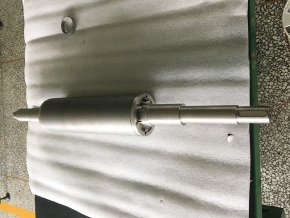
The rotor is the rotating part of the motor, located inside the stator. Its primary function is to convert the magnetic energy generated by the stator into mechanical energy. There are various types of rotors, including squirrel cage and wound rotors, each with unique characteristics that affect their performance. The rotor's design impacts the motor's torque, speed, and efficiency, making it a pivotal component in ensuring reliable transportation.
3.3 Winding Systems: Powering the Future
Winding systems consist of coils of wire wrapped around the stator and rotor. These windings create magnetic fields when current flows through them. There are two main types of windings: armature and field windings. The specific arrangement and type of winding used can significantly influence the motor's performance characteristics, including its starting torque, speed regulation, and efficiency.
3.4 Bearings: Ensuring Smooth Operation
Bearings support the rotor and reduce friction during operation. They are critical for maintaining the motor’s efficiency and longevity. The choice of bearing type, whether rolling element or fluid film, affects noise levels, vibration, and the overall lifespan of the motor. Proper bearing maintenance and selection are crucial for ensuring continuous, reliable performance.
3.5 Cooling Systems: Maintaining Efficiency
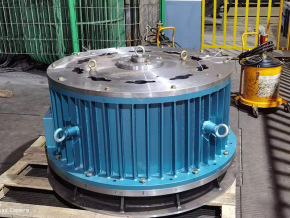
Effective cooling systems are necessary to prevent overheating and ensure the longevity of rail transit motors. High-performance motors generate significant heat, and without adequate cooling, their efficiency can be compromised. Various cooling methods, such as air or liquid cooling systems, are employed to maintain optimal operating temperatures, thus ensuring reliable performance.
4. Technological Advancements in Rail Transit Motors
Recent advancements in technology have led to more efficient and reliable rail transit motors. Innovations such as variable frequency drives (VFDs) allow for improved speed control and energy savings. Additionally, advancements in materials used for stators and rotors have enhanced performance and durability. The integration of smart sensors and IoT technology also provides real-time monitoring, enabling predictive maintenance and reducing downtime.
5. Maintenance and Reliability of Rail Transit Motors
Regular maintenance is essential for ensuring the reliability of rail transit motors. It involves routine inspections, cleaning, and part replacements to prevent failures. A well-structured maintenance program not only extends the lifespan of the motors but also enhances operational efficiency. Best practices include monitoring vibration levels, temperature, and current consumption to identify potential issues before they lead to costly repairs.
6. Challenges in Rail Transit Motor Technology
Despite advancements, challenges persist in the realm of rail transit motors. These include the need for continuous innovation to meet increasing demands for energy efficiency, reducing emissions, and incorporating advanced technologies. Additionally, the aging infrastructure of some rail systems poses a significant challenge, requiring significant investment to upgrade and maintain reliability.
7. The Future of Rail Transit Motors
The future of rail transit motors is promising, with ongoing research focused on developing even more efficient and eco-friendly technologies. The transition towards electric and hybrid systems is gaining momentum, aiming to reduce carbon footprints and enhance sustainability. Furthermore, advancements in automation and AI technology will likely revolutionize the operation and maintenance of rail transit systems, paving the way for a safer and more efficient transportation future.
8. Frequently Asked Questions
What are rail transit motors?
Rail transit motors are electrical machines that convert electrical energy into mechanical energy to drive trains, trams, and other rail vehicles.
How do rail transit motors work?
Rail transit motors work by using electromagnetic principles, where current flowing through windings generates magnetic fields that interact with the rotor to produce motion.
What are the key components of a rail transit motor?
The key components include the stator, rotor, winding systems, bearings, and cooling systems, all of which play essential roles in the motor's operation.
Why is maintenance important for rail transit motors?
Regular maintenance is crucial to ensure the longevity, efficiency, and reliability of rail transit motors, preventing unexpected failures and costly repairs.
What are the latest advancements in rail transit motor technology?
Recent advancements include the use of variable frequency drives, improved materials, and the integration of IoT technology for real-time monitoring and predictive maintenance.
9. Conclusion
Rail transit motors are integral to ensuring reliable transportation in modern urban settings. Understanding their key components, maintenance requirements, and technological advancements is essential for anyone involved in the rail industry. As we move towards a future of increased efficiency and sustainability, the continued evolution of rail transit motors will play a pivotal role in shaping the next generation of transportation systems. By prioritizing innovation and reliability, we can create a safer and more efficient rail infrastructure for years to come.
recommend News

Wu Dejun: General Manager
Hu Pengbin: Marketing Director
Production site:
No.28, Huaiying Road, Gaoqiao Town, Changsha City, Hunan Province
Zip Code: 410145
Telephone:0731-86156236
ZhenHua Packing Machinery
Online consultation
Leave a message quickly and our experts will contact you
ZhenHua Packing Machinery
Business License

SAF Coolest v1.3.1.2 设置面板 GAGSD-ZGYF-JESSE-ZEA
无数据提示
Sorry, the current column is being updated, please look forward to it!
You can view other columns or returnHome Page