




Understanding Subway Motors: Key Components of Urban Transportation
2026-09-19

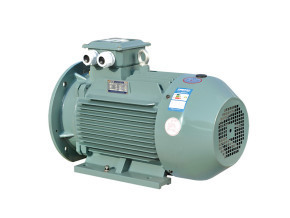
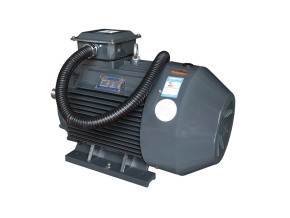
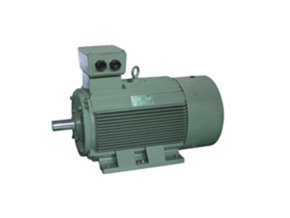
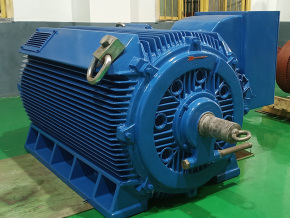
Subway motors are integral components of urban transportation systems, responsible for driving the trains that operate within subway networks. These electric motors convert electrical energy into mechanical energy, enabling trains to move efficiently within underground and urban environments. Understanding the intricacies of subway motors can significantly enhance the reliability and performance of transportation systems.
There are various types of subway motors, with the most common being AC (Alternating Current) and DC (Direct Current) motors. AC motors are typically favored for their efficiency and durability, as they require less maintenance and can operate at a wider range of speeds. In contrast, DC motors are often simpler in design and can provide better torque at lower speeds, making them suitable for specific applications within subway systems.
The power output of a subway motor is a critical factor in determining the train's speed and acceleration capabilities. Different trains may require varying power outputs based on their design, route characteristics, and intended operational speeds. Typically, subway motors are rated in horsepower (HP) or kilowatts (kW), with the exact specifications tailored to meet the demands of the subway service.
In addition to power output, the efficiency of subway motors can significantly impact overall operational costs. Efficiency refers to how well a motor converts electrical energy into mechanical energy, and it is often expressed as a percentage. An efficient subway motor can reduce energy consumption, ultimately leading to lower operational expenses and a smaller carbon footprint for urban transportation systems.
Maintenance is another critical aspect of subway motor performance. Regular inspections and servicing can prevent unexpected failures and prolong the lifespan of the motor. Key maintenance activities include checking electrical connections, monitoring wear and tear on components, and ensuring proper lubrication. Implementing a proactive maintenance strategy not only enhances the reliability of subway motors but also improves the safety of the entire transportation system.
Furthermore, advancements in technology are paving the way for more efficient and environmentally friendly subway motors. Innovations such as regenerative braking systems allow trains to recover energy during braking, which can be fed back into the power grid or used to power other systems within the train. This not only improves energy efficiency but also reduces the overall energy demand of subway operations.
In summary, subway motors play a pivotal role in the functionality and efficiency of urban transportation. Understanding their types, operational parameters, and maintenance needs is essential for ensuring reliable subway services. As technology continues to evolve, the future of subway motors promises exciting advancements that will contribute to more sustainable and efficient urban transportation systems.
There are various types of subway motors, with the most common being AC (Alternating Current) and DC (Direct Current) motors. AC motors are typically favored for their efficiency and durability, as they require less maintenance and can operate at a wider range of speeds. In contrast, DC motors are often simpler in design and can provide better torque at lower speeds, making them suitable for specific applications within subway systems.
The power output of a subway motor is a critical factor in determining the train's speed and acceleration capabilities. Different trains may require varying power outputs based on their design, route characteristics, and intended operational speeds. Typically, subway motors are rated in horsepower (HP) or kilowatts (kW), with the exact specifications tailored to meet the demands of the subway service.
In addition to power output, the efficiency of subway motors can significantly impact overall operational costs. Efficiency refers to how well a motor converts electrical energy into mechanical energy, and it is often expressed as a percentage. An efficient subway motor can reduce energy consumption, ultimately leading to lower operational expenses and a smaller carbon footprint for urban transportation systems.
Maintenance is another critical aspect of subway motor performance. Regular inspections and servicing can prevent unexpected failures and prolong the lifespan of the motor. Key maintenance activities include checking electrical connections, monitoring wear and tear on components, and ensuring proper lubrication. Implementing a proactive maintenance strategy not only enhances the reliability of subway motors but also improves the safety of the entire transportation system.
Furthermore, advancements in technology are paving the way for more efficient and environmentally friendly subway motors. Innovations such as regenerative braking systems allow trains to recover energy during braking, which can be fed back into the power grid or used to power other systems within the train. This not only improves energy efficiency but also reduces the overall energy demand of subway operations.
In summary, subway motors play a pivotal role in the functionality and efficiency of urban transportation. Understanding their types, operational parameters, and maintenance needs is essential for ensuring reliable subway services. As technology continues to evolve, the future of subway motors promises exciting advancements that will contribute to more sustainable and efficient urban transportation systems.
recommend News

Wu Dejun: General Manager
Hu Pengbin: Marketing Director
Production site:
No.28, Huaiying Road, Gaoqiao Town, Changsha City, Hunan Province
Zip Code: 410145
Telephone:0731-86156236
ZhenHua Packing Machinery
Online consultation
Leave a message quickly and our experts will contact you
ZhenHua Packing Machinery
Business License

SAF Coolest v1.3.1.2 设置面板 GAGSD-ZGYF-JESSE-ZEA
无数据提示
Sorry, the current column is being updated, please look forward to it!
You can view other columns or returnHome Page