




Exploring the Benefits and Applications of Permanent Magnet Motors in Transportation
2026-09-25

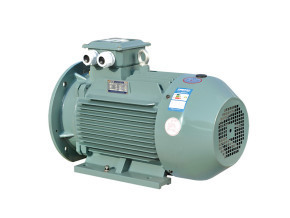
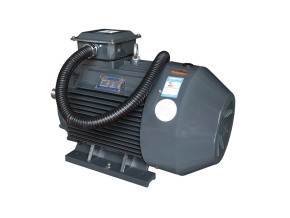
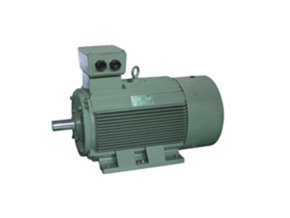
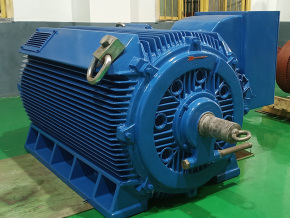
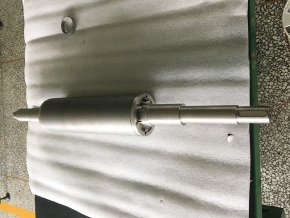
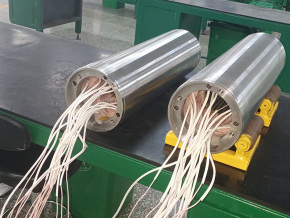
Permanent magnet motors (PMMs) are an increasingly popular choice within the transportation sector due to their efficiency, compact design, and reliability. These motors utilize permanent magnets to create a magnetic field in the rotor, eliminating the need for external excitation. This fundamental difference contributes to several advantages that make PMMs suitable for various transportation applications.
One of the primary benefits of permanent magnet motors is their high efficiency. Compared to traditional induction motors, PMMs can achieve efficiencies exceeding 90%, leading to reduced energy consumption. This characteristic not only lowers operational costs but also contributes to sustainability efforts by reducing the carbon footprint of transportation systems. In an era where energy efficiency is paramount, PMMs stand out as a viable solution for both electric and hybrid vehicles.
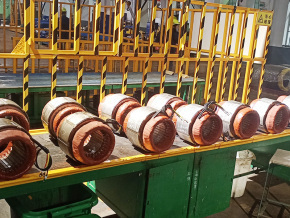
Another significant advantage of permanent magnet motors is their compact size and lightweight nature. The absence of a rotor winding and the use of high-energy magnets allow for more compact motor designs. This space-saving attribute is particularly beneficial in transportation applications where weight and size constraints are critical. Smaller motors can lead to lighter vehicle designs, enhancing performance and boosting overall energy efficiency.
Permanent magnet motors also offer excellent torque characteristics, making them ideal for applications requiring high starting torque and rapid acceleration. This feature is particularly advantageous in transportation devices where quick response times are essential, such as electric buses, trams, and other urban transit systems. The ability to deliver consistent torque at various speeds enhances the drivability and responsiveness of these vehicles.
Furthermore, the reliability and durability of PMMs are noteworthy. With fewer moving parts and lower maintenance requirements compared to traditional motors, PMMs tend to have longer operational lifespans. This reliability is crucial in transportation applications where downtime can be costly and disruptive.
In summary, the integration of permanent magnet motors in the transportation industry presents a multitude of advantages, including enhanced energy efficiency, compact design, superior torque performance, and increased reliability. As the industry continues to evolve toward more sustainable solutions, PMMs will likely play a pivotal role in shaping the future of transportation technologies. For professionals in the field, understanding the capabilities and applications of permanent magnet motors is essential to leveraging their benefits effectively in various transportation systems and components.
One of the primary benefits of permanent magnet motors is their high efficiency. Compared to traditional induction motors, PMMs can achieve efficiencies exceeding 90%, leading to reduced energy consumption. This characteristic not only lowers operational costs but also contributes to sustainability efforts by reducing the carbon footprint of transportation systems. In an era where energy efficiency is paramount, PMMs stand out as a viable solution for both electric and hybrid vehicles.
Another significant advantage of permanent magnet motors is their compact size and lightweight nature. The absence of a rotor winding and the use of high-energy magnets allow for more compact motor designs. This space-saving attribute is particularly beneficial in transportation applications where weight and size constraints are critical. Smaller motors can lead to lighter vehicle designs, enhancing performance and boosting overall energy efficiency.
Permanent magnet motors also offer excellent torque characteristics, making them ideal for applications requiring high starting torque and rapid acceleration. This feature is particularly advantageous in transportation devices where quick response times are essential, such as electric buses, trams, and other urban transit systems. The ability to deliver consistent torque at various speeds enhances the drivability and responsiveness of these vehicles.
Furthermore, the reliability and durability of PMMs are noteworthy. With fewer moving parts and lower maintenance requirements compared to traditional motors, PMMs tend to have longer operational lifespans. This reliability is crucial in transportation applications where downtime can be costly and disruptive.
In summary, the integration of permanent magnet motors in the transportation industry presents a multitude of advantages, including enhanced energy efficiency, compact design, superior torque performance, and increased reliability. As the industry continues to evolve toward more sustainable solutions, PMMs will likely play a pivotal role in shaping the future of transportation technologies. For professionals in the field, understanding the capabilities and applications of permanent magnet motors is essential to leveraging their benefits effectively in various transportation systems and components.
Previous Page:
recommend News

Wu Dejun: General Manager
Hu Pengbin: Marketing Director
Production site:
No.28, Huaiying Road, Gaoqiao Town, Changsha City, Hunan Province
Zip Code: 410145
Telephone:0731-86156236
ZhenHua Packing Machinery
Online consultation
Leave a message quickly and our experts will contact you
ZhenHua Packing Machinery
Business License

SAF Coolest v1.3.1.2 设置面板 GAGSD-ZGYF-JESSE-ZEA
无数据提示
Sorry, the current column is being updated, please look forward to it!
You can view other columns or returnHome Page