




Unlocking the Potential of Industrial Permanent Magnet Motors in Transportation
2026-09-07

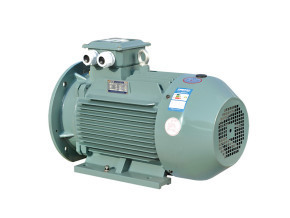
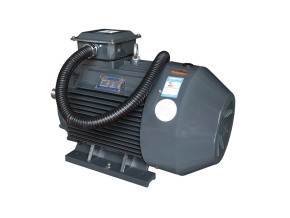
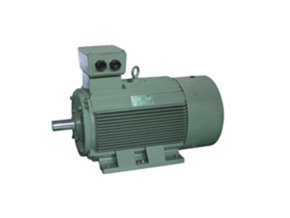
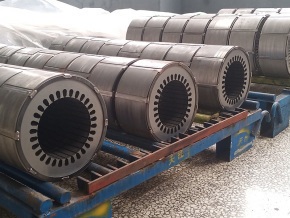
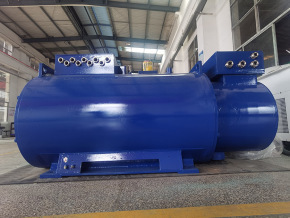
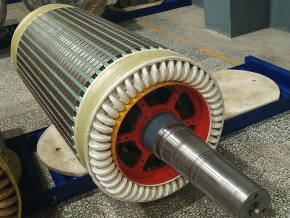
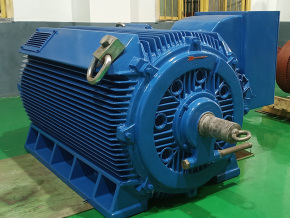
Industrial permanent magnet motors (IPMMs) are increasingly becoming integral to the transportation industry, particularly in the development of modern and efficient transportation equipment. These motors utilize permanent magnets to create a magnetic field, which significantly enhances their efficiency and performance compared to traditional induction motors. With the growing emphasis on sustainability and energy efficiency in transportation, understanding the benefits and applications of IPMMs is crucial for industry professionals.
One of the most significant advantages of industrial permanent magnet motors is their high efficiency. IPMMs typically operate with efficiencies exceeding 90%, which leads to substantial energy savings over time. This feature is especially important in the transportation sector, where fuel and energy costs can significantly impact operational budgets. By incorporating IPMMs into various transportation devices, companies can reduce their overall energy consumption, leading to lower carbon emissions and compliance with increasingly stringent environmental regulations.
Another key benefit of using industrial permanent magnet motors is their compact size and lightweight design. The elimination of the need for an external excitation system, which is common in traditional motors, allows IPMMs to have a smaller footprint. This characteristic makes them particularly suitable for applications where space and weight savings are critical, such as electric vehicles or lightweight transportation equipment. In addition, their reduced size can lead to lower material costs and ease of integration into existing systems.
Reliability and low maintenance requirements are also vital considerations for industrial permanent magnet motors. These motors have fewer moving parts than their induction counterparts, which results in reduced wear and tear and lower maintenance needs. In the transportation industry, where downtime can be costly, the robustness of IPMMs can enhance the overall reliability of transportation systems and equipment.
The versatility of industrial permanent magnet motors is another aspect that makes them highly valuable in the transportation sector. They can be adapted for various applications, including electric buses, trains, and even marine transportation. Their ability to provide high torque at low speeds makes them ideal for start-stop applications, which are common in urban transportation.
In summary, the implementation of industrial permanent magnet motors in transportation equipment presents numerous advantages, including enhanced efficiency, compact design, reliability, and versatility. As the transportation industry continues to prioritize sustainability and innovation, understanding the role of IPMMs will become increasingly important for professionals looking to stay ahead in this rapidly evolving field. Integrating these motors into transportation systems can yield significant long-term benefits, paving the way for a more sustainable future.
One of the most significant advantages of industrial permanent magnet motors is their high efficiency. IPMMs typically operate with efficiencies exceeding 90%, which leads to substantial energy savings over time. This feature is especially important in the transportation sector, where fuel and energy costs can significantly impact operational budgets. By incorporating IPMMs into various transportation devices, companies can reduce their overall energy consumption, leading to lower carbon emissions and compliance with increasingly stringent environmental regulations.
Another key benefit of using industrial permanent magnet motors is their compact size and lightweight design. The elimination of the need for an external excitation system, which is common in traditional motors, allows IPMMs to have a smaller footprint. This characteristic makes them particularly suitable for applications where space and weight savings are critical, such as electric vehicles or lightweight transportation equipment. In addition, their reduced size can lead to lower material costs and ease of integration into existing systems.
Reliability and low maintenance requirements are also vital considerations for industrial permanent magnet motors. These motors have fewer moving parts than their induction counterparts, which results in reduced wear and tear and lower maintenance needs. In the transportation industry, where downtime can be costly, the robustness of IPMMs can enhance the overall reliability of transportation systems and equipment.
The versatility of industrial permanent magnet motors is another aspect that makes them highly valuable in the transportation sector. They can be adapted for various applications, including electric buses, trains, and even marine transportation. Their ability to provide high torque at low speeds makes them ideal for start-stop applications, which are common in urban transportation.
In summary, the implementation of industrial permanent magnet motors in transportation equipment presents numerous advantages, including enhanced efficiency, compact design, reliability, and versatility. As the transportation industry continues to prioritize sustainability and innovation, understanding the role of IPMMs will become increasingly important for professionals looking to stay ahead in this rapidly evolving field. Integrating these motors into transportation systems can yield significant long-term benefits, paving the way for a more sustainable future.
Previous Page:
recommend News

Wu Dejun: General Manager
Hu Pengbin: Marketing Director
Production site:
No.28, Huaiying Road, Gaoqiao Town, Changsha City, Hunan Province
Zip Code: 410145
Telephone:0731-86156236
ZhenHua Packing Machinery
Online consultation
Leave a message quickly and our experts will contact you
ZhenHua Packing Machinery
Business License

SAF Coolest v1.3.1.2 设置面板 GAGSD-ZGYF-JESSE-ZEA
无数据提示
Sorry, the current column is being updated, please look forward to it!
You can view other columns or returnHome Page