




Subway Motor for Reliable Urban Rail Transit
2026-09-10

Growing Demand for Reliable Subway Transportation
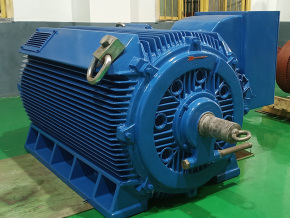
Subway motor is an important part of modern rail transit equipment, supporting the propulsion and traction requirements of subway vehicles. As urban rail networks continue to expand, trains are expected to operate frequently and maintain stable performance throughout daily service. This creates higher requirements for the motors used in railway vehicles.
Unlike many ordinary industrial applications, subway operation involves repeated starting, acceleration, deceleration, and stopping. A motor must work consistently under changing operating conditions while cooperating with the traction control and transmission systems. For this reason, reliability, operating stability, efficiency, and adaptability are important factors when selecting a motor for subway applications.
The Important Role of the Motor in Subway Operation
The main function of a traction motor is to convert electrical energy into mechanical power and provide the driving force required for vehicle movement. During departure, the motor helps generate traction force for acceleration. During normal operation, it continues to provide power according to the vehicle's running requirements.
Because subway trains may complete numerous operating cycles every day, the motor needs to support repeated changes in load and speed. Stable motor performance can contribute to smooth train operation and help maintain the expected performance of the complete propulsion system.
The motor also works as part of a larger railway system rather than operating independently. Its performance needs to correspond with traction control equipment, mechanical transmission components, power systems, and the overall vehicle structure. This makes system compatibility an important consideration for railway manufacturers and equipment purchasers.
Designed for Demanding Rail Transit Conditions
Subway vehicles operate in environments where equipment can experience continuous vibration, mechanical impact, temperature variation, and long operating periods. These conditions can create additional demands on traction equipment compared with motors used in stationary applications.
For rail vehicle manufacturers, selecting a motor suitable for the actual operating environment can help reduce potential equipment problems during long-term service. The motor should be evaluated according to the vehicle structure, installation position, operating conditions, cooling requirements, and control system rather than simply based on basic electrical parameters.
This approach can help manufacturers build a more suitable propulsion system and provide operators with equipment that is better matched to their actual transportation requirements.
Supporting Stable Acceleration and Operation
Acceleration is one of the most important operating stages for a subway train. After stopping at a station, the vehicle needs to accelerate again before entering the next section of the route. This process is repeated many times during normal service.
A reliable motor supports the traction system during these repeated operating cycles. Stable power delivery can help the train achieve controlled acceleration while reducing unnecessary fluctuations in operation. During cruising, the motor continues to work with the vehicle's control system to meet changing speed and load requirements.
For busy metro routes, consistent operation is particularly important because a large number of trains may operate according to a fixed timetable. Reliable traction equipment can therefore contribute to the overall availability and operational continuity of the vehicle.

Energy Efficiency as a Key Consideration
Energy consumption is another important issue in modern urban rail transportation. Subway trains frequently accelerate and decelerate, and traction equipment can account for a significant part of the vehicle's energy demand.
For this reason, motor efficiency has become an important consideration in the development of modern railway vehicles. More efficient motor technologies can help reduce energy losses during operation and support more economical train performance.
Permanent magnet synchronous motors, for example, have been applied in some modern railway vehicles because of their potential efficiency advantages. However, the appropriate motor technology depends on the vehicle design, traction system, operating requirements, and overall project specifications.
For buyers, the objective is not simply to select the motor with the highest efficiency figure, but to choose equipment that provides a suitable balance between performance, compatibility, reliability, maintenance, and project requirements.
Application in Daily Metro Services
A typical application can be seen in urban metro fleets operating on busy city routes. A subway train may stop at many stations during a single journey, requiring the traction system to repeatedly start and accelerate the vehicle.
Under these conditions, the motor is continuously exposed to changes in operating speed and load. If the propulsion equipment cannot maintain stable performance, vehicle availability and scheduled operation may be affected.
A suitable motor can help support the repeated operating requirements of metro vehicles and provide dependable power for everyday passenger transportation. This makes motor selection an important part of railway vehicle manufacturing and fleet maintenance.
Supporting Subway Vehicle Modernization
Subway motors can also be relevant to railway vehicle modernization and maintenance projects. Existing metro fleets may remain in service for many years, and some vehicles require component replacement or technical upgrades during their service life.
Replacing or upgrading traction equipment can be part of a broader modernization program. In these projects, the new motor needs to match the existing vehicle structure and associated equipment as closely as possible.
Before purchasing replacement equipment, engineering teams normally need to consider installation dimensions, electrical characteristics, mechanical interfaces, cooling conditions, control requirements, and operating environment. Careful evaluation can reduce the possibility of additional modifications after delivery.
Solving Common Customer Pain Points
One major customer concern is reliability during frequent operation. Subway vehicles cannot simply be treated like equipment that operates occasionally. They may run for many hours every day, which means traction components are repeatedly subjected to operating cycles.
Another concern is compatibility. Even a motor with suitable basic specifications may not be appropriate if its installation structure, control characteristics, or mechanical interface does not match the vehicle.
Maintenance is also an important consideration. Difficult inspection or replacement procedures can increase maintenance time and affect fleet availability. Therefore, customers need to consider the complete service environment when evaluating a subway motor.
By communicating technical requirements clearly before production and installation, manufacturers and buyers can reduce compatibility risks and make equipment integration more predictable.
Considerations for Railway Equipment Buyers
When purchasing a motor for subway applications, buyers should first identify the vehicle type and actual operating conditions. The required electrical characteristics, installation space, transmission structure, cooling method, control system, and maintenance requirements should then be reviewed.
For new railway projects, the motor should be considered together with the complete traction system. For replacement projects, existing equipment information is particularly important because the new motor may need to fit established interfaces and installation conditions.
Clear technical communication between the buyer and manufacturer can help avoid unnecessary changes during installation and improve the efficiency of the procurement process.
A Practical Choice for Modern Rail Projects
Urban rail transportation continues to develop as cities look for efficient ways to move large numbers of passengers. Subway systems provide high-capacity transportation and require reliable equipment to maintain regular daily service.
As an important component of the traction system, the motor has a direct relationship with vehicle propulsion, acceleration, operating stability, and energy performance. Choosing the right motor according to the complete application environment can help railway manufacturers and operators address reliability, compatibility, maintenance, and efficiency concerns.
For new subway vehicles, fleet modernization, and traction equipment replacement, selecting a suitable motor is therefore an important step toward maintaining dependable railway operation.
recommend News

Wu Dejun: General Manager
Hu Pengbin: Marketing Director
Production site:
No.28, Huaiying Road, Gaoqiao Town, Changsha City, Hunan Province
Zip Code: 410145
Telephone:0731-86156236
ZhenHua Packing Machinery
Online consultation
Leave a message quickly and our experts will contact you
ZhenHua Packing Machinery

SAF Coolest v1.3.1.2 设置面板 GAGSD-ZGYF-JESSE-ZEA
无数据提示
Sorry, the current column is being updated, please look forward to it!
You can view other columns or returnHome Page