




The Role of Permanent Magnet Motors in Achieving Energy Efficiency in Transport
2026-09-04

The Role of Permanent Magnet Motors in Achieving Energy Efficiency in Transport
Introduction to Energy Efficiency in Transport
The transportation industry is a significant contributor to global energy consumption and greenhouse gas emissions. As we strive for a sustainable future, energy efficiency becomes paramount. **Permanent magnet motors (PM motors)** offer innovative solutions that can revolutionize the way we approach energy consumption in various transport modalities.
Understanding Permanent Magnet Motors
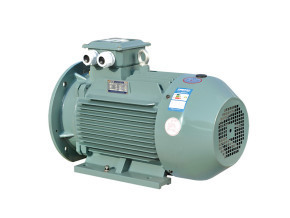
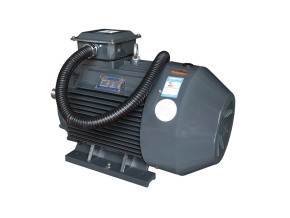
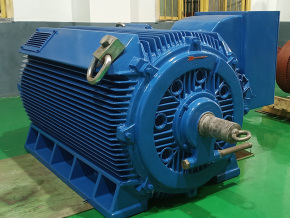
**Permanent magnet motors**, commonly referred to as PM motors, utilize the magnetic field generated by permanent magnets to produce motion. Unlike traditional motors that rely on electromagnets, PM motors are designed to be compact, efficient, and powerful.
How Do Permanent Magnet Motors Work?
The fundamental working principle of PM motors involves the interaction between the magnetic field produced by the permanent magnets and the electromagnetic field generated by the motor windings. This interaction leads to torque generation, enabling the motor to drive various applications in the transport sector, from electric vehicles (EVs) to high-speed trains.
Types of Permanent Magnet Motors
Several types of permanent magnet motors exist, each tailored to specific applications within the transport industry:
- **Brushless DC Motors (BLDC)**: These motors are widely used in electric vehicles due to their high efficiency and performance.
- **Switched Reluctance Motors (SRM)**: Known for their robust design, these motors are suitable for various transport applications, including heavy-duty vehicles.
- **Synchronous Motors**: Often used in hybrid vehicles, these motors maintain synchronous speed with the rotating magnetic field.
The Benefits of Permanent Magnet Motors in Transport
Employing PM motors in the transport sector presents numerous benefits, including:
1. Enhanced Energy Efficiency
Permanent magnet motors are renowned for their high efficiency, often exceeding 90%. This efficiency translates into reduced energy consumption and lower operating costs, making them an excellent choice for electric and hybrid vehicles.
2. Reduced Carbon Footprint
By consuming less energy, PM motors contribute to a lower carbon footprint for transport systems. As cities and countries aim for net-zero emissions, adopting these motors helps align with sustainability goals.
3. Compact Design and Weight Reduction
PM motors are typically smaller and lighter than traditional motors. This compact design allows for more efficient use of space in vehicles, optimizing performance and payload capacity.
4. Low Maintenance Requirements
With fewer moving parts and no brushes to wear out, PM motors require less maintenance than conventional motors, leading to increased reliability and reduced downtime.
5. High Torque Density
Permanent magnet motors exhibit high torque at low speeds, making them ideal for applications requiring quick acceleration and deceleration, such as electric buses and urban transport systems.
Applications of Permanent Magnet Motors in Transport
The versatility of permanent magnet motors allows for a wide range of applications in various transport systems:
1. Electric Vehicles (EVs)
**PM motors** have become the backbone of electric vehicles. Their efficiency and compactness enable manufacturers to produce vehicles with extended range and performance. Major automotive companies are increasingly adopting these motors in their electric vehicle designs.
2. Public Transport Systems
Electric buses and trams equipped with PM motors offer an eco-friendly alternative to traditional diesel-powered vehicles. These systems not only reduce emissions but also improve the overall quality of urban air.
3. Rail Transport
High-speed trains and metro systems are leveraging permanent magnet motors to achieve higher speeds and lower energy consumption. The efficiency of PM motors plays a crucial role in meeting the demands of modern rail transport.
4. Marine Applications
In maritime transport, PM motors are being used in electric ferries and cargo ships. These motors help reduce fuel consumption and emissions, contributing to more sustainable marine operations.
5. Aerospace Developments
The aviation industry is exploring the use of PM motors in electric aircraft and drones. These developments signify a promising shift toward more sustainable air travel solutions.
The Future of Permanent Magnet Motors in Transport
As technology evolves, the role of permanent magnet motors in transport will likely expand further. Innovations in materials and manufacturing processes are enhancing the performance of these motors, making them even more efficient and cost-effective.
1. Advancements in Magnet Materials
Research into new magnet materials, such as **rare-earth magnets**, is ongoing. These materials promise to improve the efficiency and performance of PM motors further, leading to enhanced energy savings in transport.
2. Integration with Renewable Energy Sources
The synergy between PM motors and renewable energy sources, such as solar and wind, is increasingly relevant. Coupling these motors with sustainable power sources can lead to a significant reduction in carbon emissions.
3. Smart Transportation Systems
The rise of smart transportation systems incorporates PM motors and advanced technologies, including artificial intelligence and IoT. This integration will optimize energy use and improve operational efficiency across transport modes.
4. Global Trends and Regulatory Support
Globally, governments are implementing policies to support the transition to electric and hybrid vehicles. As regulations become stricter regarding emissions, the demand for PM motors is expected to rise significantly.
Challenges and Considerations
Despite the advantages, certain challenges must be addressed for wider adoption of permanent magnet motors in transport.
1. Cost of Materials
The initial cost of PM motors can be high due to the expense of rare-earth materials used in magnets. This cost can be a barrier to adoption, especially in budget-sensitive markets.
2. Environmental Concerns of Rare-Earth Elements
The extraction and processing of rare-earth elements pose environmental concerns. Finding sustainable alternatives or recycling methods is critical for the industry's long-term viability.
3. Infrastructure Development
For electric vehicles using PM motors to thrive, robust charging infrastructure is essential. Investment in charging stations and grid upgrades is necessary to support widespread adoption.
Frequently Asked Questions (FAQs)
1. What are the main advantages of using permanent magnet motors in transport?
The key advantages include high energy efficiency, reduced carbon footprint, lower maintenance needs, compact design, and high torque density.
2. Are permanent magnet motors suitable for all types of vehicles?
While they are particularly well-suited for electric and hybrid vehicles, PM motors can also be applied in public transport, rail, marine, and aerospace applications.
3. What is the impact of permanent magnet motors on energy consumption?
Permanent magnet motors significantly reduce energy consumption compared to traditional motors, contributing to lower operational costs and a decreased carbon footprint.
4. What challenges does the transport sector face with permanent magnet motors?
Challenges include the high cost of materials, environmental concerns related to rare-earth mining, and the need for improved infrastructure.
5. How do permanent magnet motors contribute to sustainable transport solutions?
By improving energy efficiency and reducing emissions, PM motors play a pivotal role in achieving sustainable transport goals and facilitating the transition to electric mobility.
Conclusion
Permanent magnet motors represent a transformative shift in the transportation sector, driving energy efficiency and sustainability. Their unique advantages, coupled with the ongoing advancements in technology and materials, position them as a cornerstone for future transport solutions. As we navigate the challenges associated with their adoption, it is clear that PM motors will play a crucial role in shaping a greener, more efficient transportation landscape. By embracing these innovations, we can pave the way for a more sustainable future in transport.
recommend News

Wu Dejun: General Manager
Hu Pengbin: Marketing Director
Production site:
No.28, Huaiying Road, Gaoqiao Town, Changsha City, Hunan Province
Zip Code: 410145
Telephone:0731-86156236
ZhenHua Packing Machinery
Online consultation
Leave a message quickly and our experts will contact you
ZhenHua Packing Machinery
Business License

SAF Coolest v1.3.1.2 设置面板 GAGSD-ZGYF-JESSE-ZEA
无数据提示
Sorry, the current column is being updated, please look forward to it!
You can view other columns or returnHome Page