




Understanding Industrial Motors: Essential Components for Transportation Equipment
2026-08-26

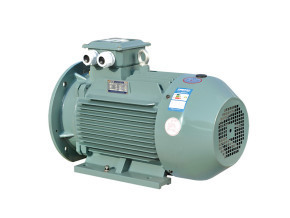
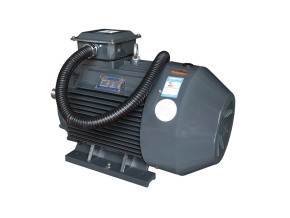
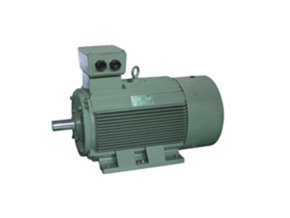
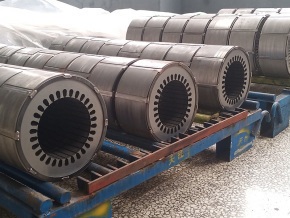
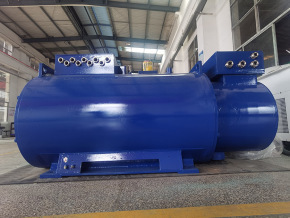
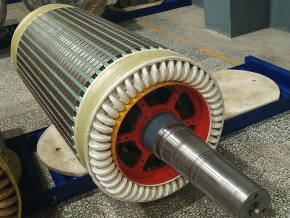
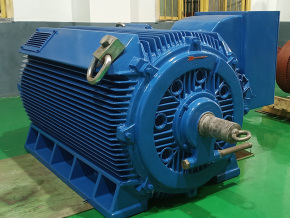
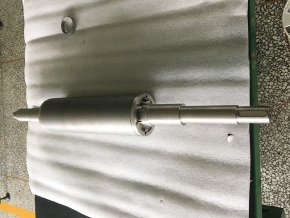
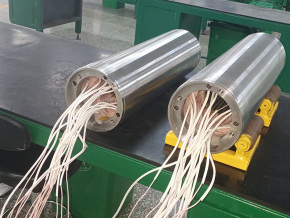
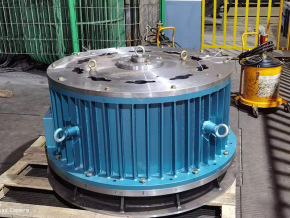
Industrial motors are vital components in the transportation sector, particularly in the realm of various transportation equipment and components. These motors are designed to convert electrical energy into mechanical energy, enabling machinery and equipment to operate effectively. Understanding the intricacies of industrial motors is essential for professionals in the industry, as they play a pivotal role in ensuring the smooth functioning of transportation devices.
There are several types of industrial motors commonly utilized in the transportation sector, including AC (Alternating Current) motors and DC (Direct Current) motors. AC motors are widely used due to their reliability and efficiency, especially in applications requiring constant speed. On the other hand, DC motors offer superior torque control and are often favored in applications where variable speeds are necessary. Choosing the right type of motor is crucial for optimizing the performance of transportation equipment.
When considering industrial motors for transportation, several factors come into play. One of the key aspects is the motor's power rating, which determines its capability to handle specific loads. The power rating should align with the requirements of the application to ensure optimal efficiency and prevent unnecessary wear and tear. Additionally, factors such as operating environment, duty cycle, and thermal management are critical in selecting the most appropriate motor.
Another important aspect to consider is the efficiency of industrial motors. High-efficiency motors consume less energy and can lead to significant cost savings over time. In the context of transportation equipment, where operational costs can be substantial, investing in high-efficiency motors can yield considerable benefits. Moreover, energy-efficient motors contribute to a lower carbon footprint, aligning with the growing emphasis on sustainability in the transportation industry.
Furthermore, the integration of advanced technologies such as variable frequency drives (VFDs) can enhance the performance of industrial motors. VFDs allow for precise control of motor speed and torque, which can optimize the operation of transportation equipment. This adaptability is particularly beneficial in scenarios where load conditions vary frequently.
In summary, industrial motors are indispensable in the transportation sector, playing a crucial role in the functionality of various equipment and components. By understanding the different types of motors, their efficiency, and the factors influencing their performance, professionals can make informed decisions that enhance operational efficiency and sustainability. As the transportation industry continues to evolve, staying informed about advancements in motor technology will be essential for maintaining competitiveness and reliability in operations.
There are several types of industrial motors commonly utilized in the transportation sector, including AC (Alternating Current) motors and DC (Direct Current) motors. AC motors are widely used due to their reliability and efficiency, especially in applications requiring constant speed. On the other hand, DC motors offer superior torque control and are often favored in applications where variable speeds are necessary. Choosing the right type of motor is crucial for optimizing the performance of transportation equipment.
When considering industrial motors for transportation, several factors come into play. One of the key aspects is the motor's power rating, which determines its capability to handle specific loads. The power rating should align with the requirements of the application to ensure optimal efficiency and prevent unnecessary wear and tear. Additionally, factors such as operating environment, duty cycle, and thermal management are critical in selecting the most appropriate motor.
Another important aspect to consider is the efficiency of industrial motors. High-efficiency motors consume less energy and can lead to significant cost savings over time. In the context of transportation equipment, where operational costs can be substantial, investing in high-efficiency motors can yield considerable benefits. Moreover, energy-efficient motors contribute to a lower carbon footprint, aligning with the growing emphasis on sustainability in the transportation industry.
Furthermore, the integration of advanced technologies such as variable frequency drives (VFDs) can enhance the performance of industrial motors. VFDs allow for precise control of motor speed and torque, which can optimize the operation of transportation equipment. This adaptability is particularly beneficial in scenarios where load conditions vary frequently.
In summary, industrial motors are indispensable in the transportation sector, playing a crucial role in the functionality of various equipment and components. By understanding the different types of motors, their efficiency, and the factors influencing their performance, professionals can make informed decisions that enhance operational efficiency and sustainability. As the transportation industry continues to evolve, staying informed about advancements in motor technology will be essential for maintaining competitiveness and reliability in operations.
Previous Page:
recommend News

Wu Dejun: General Manager
Hu Pengbin: Marketing Director
Production site:
No.28, Huaiying Road, Gaoqiao Town, Changsha City, Hunan Province
Zip Code: 410145
Telephone:0731-86156236
ZhenHua Packing Machinery
Online consultation
Leave a message quickly and our experts will contact you
ZhenHua Packing Machinery
Business License

SAF Coolest v1.3.1.2 设置面板 GAGSD-ZGYF-JESSE-ZEA
无数据提示
Sorry, the current column is being updated, please look forward to it!
You can view other columns or returnHome Page