




How Subway Motors Are Adapting to Smart City Initiatives: Revolutionizing Urban Transportation
2026-08-29

How Subway Motors Are Adapting to Smart City Initiatives
Table of Contents
- Introduction to Smart City Initiatives
- The Importance of Subway Systems in Urban Transport
- Technological Innovations in Subway Motors
- Energy Efficiency and Sustainability in Subway Motors
- Real-Time Data Integration for Enhanced Performance
- Case Studies of Smart Subway Systems
- Challenges in Adapting Subway Systems to Smart Initiatives
- The Future of Subway Motors in Smart Cities
- Conclusion
- FAQs
Introduction to Smart City Initiatives
In recent years, the concept of **smart cities** has gained significant traction as urban areas worldwide strive to improve the quality of life for their residents. This initiative encompasses the integration of advanced technologies to optimize various aspects of urban living, including transportation, energy usage, and infrastructure management. One crucial component of this transformation is the **subway system**, a vital player in urban transportation networks. As cities adapt to the demands of growing populations and environmental concerns, subway motors are evolving to meet these challenges head-on.
The Importance of Subway Systems in Urban Transport
Subway systems are a cornerstone of public transport in major cities, providing a fast, efficient, and environmentally friendly alternative to road vehicles. With **growing urbanization**, the demand for effective public transportation solutions is higher than ever. Subways reduce traffic congestion, lower carbon emissions, and promote a shift towards sustainable urban mobility. According to the International Association of Public Transport, subways can transport millions of passengers daily, making them an indispensable part of urban infrastructure.
Role of Subway Motors in Efficient Transportation
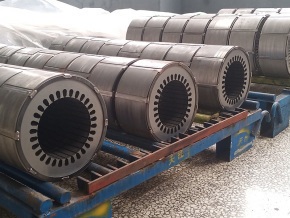
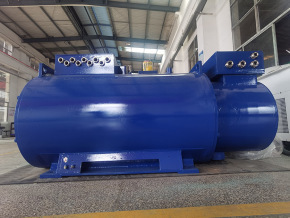
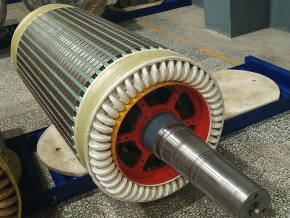
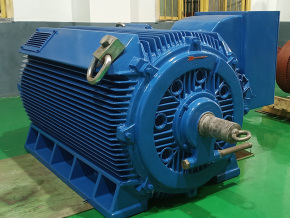
At the heart of subway systems lies the **subway motor**. These motors not only power the trains but also play a crucial role in the overall efficiency and reliability of the service. As cities strive to implement smart initiatives, subway motors must adapt to incorporate new technologies that enhance their performance, reduce energy consumption, and improve passenger comfort.
Technological Innovations in Subway Motors
The subway motor landscape is witnessing rapid advancements, driven by innovations in technology. These developments are aimed at increasing efficiency, reliability, and adaptability to smart city frameworks.
1. Electric and Hybrid Motors
Electric motors have become increasingly prevalent in subway systems due to their superior energy efficiency and lower environmental impact compared to conventional diesel-powered systems. Furthermore, **hybrid motors** are being tested in some cities, providing an even more flexible approach to energy consumption. These motors can switch between electric and alternative power sources based on real-time demand, optimizing performance.
2. Regenerative Braking Systems
**Regenerative braking systems** are another significant advancement in subway motors. By capturing and reusing energy generated during braking, these systems can significantly reduce overall energy consumption. The energy harvested can be fed back into the grid or used to power other train systems, improving overall efficiency.
3. Advanced Control Systems
The integration of **advanced control systems** allows subway motors to operate more efficiently. These systems utilize algorithms and real-time data to optimize speed, acceleration, and braking, leading to reduced energy use and improved service reliability. For instance, predictive maintenance can be implemented to monitor the health of motors and predict potential failures before they occur.
Energy Efficiency and Sustainability in Subway Motors
As part of the broader smart city initiative, energy efficiency and sustainability are paramount considerations in the design and operation of subway motors. Reducing the carbon footprint of urban transportation is crucial for mitigating climate change and promoting sustainable urban growth.
1. Sustainable Materials in Motor Manufacturing
Manufacturers are increasingly focusing on using **sustainable materials** in the production of subway motors. This shift not only minimizes environmental impact during the manufacturing process but also enhances the lifecycle performance of the motors.
2. Solar-Powered Stations
Integrating solar panels into subway stations is becoming a popular trend. These panels can supply power to the motors and other station facilities, reducing reliance on non-renewable energy sources. In combination with efficient subway motors, this creates a more sustainable urban transit system.
3. Carbon Emission Reduction Targets
Many cities are setting ambitious **carbon emission reduction targets**, with subway systems playing a vital role. By utilizing energy-efficient subway motors and renewable energy sources, cities can significantly reduce their transportation-related emissions.
Real-Time Data Integration for Enhanced Performance
The integration of real-time data into subway operations is a key component of smart city initiatives. This technology enables subway motors to respond dynamically to varying conditions and passenger demands.
1. Smart Sensors and IoT
The deployment of **smart sensors** and **Internet of Things (IoT)** technologies within subway systems allows for continuous monitoring of motor performance, passenger flows, and environmental conditions. This data can be used to make real-time adjustments to motor operations, leading to more responsive and efficient services.
2. Predictive Analytics
Through the use of **predictive analytics**, subway operators can forecast demand and adjust scheduling and service frequency accordingly. This not only improves efficiency but also enhances the passenger experience by reducing wait times and overcrowding.
3. Passenger-Centric Technologies
Incorporating passenger-centric technologies, such as mobile apps and digital signage, further enhances the experience. Passengers can receive real-time updates on train arrivals and delays, allowing them to make informed travel choices. Subway motors, equipped with advanced technologies, can adapt to these passenger demands seamlessly.
Case Studies of Smart Subway Systems
Various cities worldwide are leading the charge in integrating smart technologies into their subway systems. These case studies illustrate the potential of subway motors adapting to smart city initiatives.
1. Singapore's Smart Subway System
Singapore's **MRT (Mass Rapid Transit)** system is a prime example of a smart subway initiative. The integration of advanced technologies, such as predictive maintenance systems and energy-efficient electric motors, has significantly improved service reliability and performance. The government continues to invest in making the MRT system more sustainable while enhancing the overall passenger experience.
2. New York City's Subway Modernization
New York City's subway system is undergoing a significant modernization initiative, focusing on enhancing energy efficiency and reliability. By implementing regenerative braking systems and advanced control technologies, NYC aims to reduce its operational costs and carbon emissions while improving service for millions of daily riders.
3. London Underground's Smart Integration
The London Underground is also embracing smart initiatives with a focus on energy efficiency and passenger comfort. The implementation of smart sensors and real-time data analytics allows for continuous monitoring of subway motor performance, leading to improved scheduling and reduced wait times.
Challenges in Adapting Subway Systems to Smart Initiatives
While the benefits of adapting subway motors to smart city initiatives are significant, several challenges remain. Addressing these obstacles is crucial for ensuring successful implementation.
1. High Initial Investment Costs
Transitioning to advanced subway motors and technologies often requires substantial initial investments. Many cities struggle to allocate the necessary funds for such upgrades, particularly in times of budget constraints.
2. Integration with Legacy Systems
Many subway systems operate on outdated infrastructure that may not be compatible with new technologies. Integrating advanced subway motors and smart technologies with existing systems can be challenging and may require extensive retrofitting.
3. Regulatory and Policy Barriers
Navigating regulatory hurdles and policy barriers can also pose significant challenges. As cities implement smart city initiatives, coordination between various stakeholders, including government agencies and private companies, is essential for successful adaptation.
The Future of Subway Motors in Smart Cities
Looking ahead, the future of subway motors within smart cities is promising. As technology continues to evolve, subway systems are likely to become even more efficient, sustainable, and responsive to urban demands.
1. Continued Innovation and Research
Ongoing research and development in motor technology, energy storage, and data integration will drive continuous improvement in subway systems. Innovations such as **artificial intelligence (AI)** and machine learning may further enhance operational efficiency and predictive capabilities.
2. Greater Focus on Sustainability
As cities worldwide prioritize sustainability, subway motors will play a crucial role in achieving these goals. Enhanced energy efficiency, the use of renewable energy sources, and sustainable materials will be central to future developments.
3. Shifts in Urban Mobility Trends
Future urban mobility trends may also influence the evolution of subway motors. With the rise of interconnected transportation systems and multimodal transit options, subway motors will need to adapt to accommodate changing passenger preferences and behaviors.
Conclusion
Subway motors are at the forefront of the transformation of urban transportation systems as cities embrace smart initiatives. By leveraging technological advancements, prioritizing energy efficiency, and integrating real-time data, subway systems can enhance performance, reduce environmental impact, and improve the overall passenger experience. Despite the challenges faced during adaptation, the future of subway motors in smart cities looks bright, promising a more sustainable and efficient urban transportation landscape.
FAQs
1. What are smart city initiatives?
Smart city initiatives involve the integration of advanced technologies and data analytics to enhance urban living quality, focusing on sustainability, efficiency, and improved public services.
2. How do subway motors contribute to urban sustainability?
Subway motors contribute to urban sustainability by reducing carbon emissions, improving energy efficiency, and enabling the use of renewable energy sources in transportation.
3. What technological advancements are being implemented in subway motors?
Technological advancements include electric and hybrid motors, regenerative braking systems, advanced control systems, and real-time data integration.
4. What challenges do cities face in adapting subway systems to smart initiatives?
Challenges include high initial investment costs, integration with legacy systems, and regulatory barriers.
5. How can real-time data improve subway services?
Real-time data allows for better scheduling, predictive maintenance, and enhances passenger experience through timely updates and information.
recommend News

Wu Dejun: General Manager
Hu Pengbin: Marketing Director
Production site:
No.28, Huaiying Road, Gaoqiao Town, Changsha City, Hunan Province
Zip Code: 410145
Telephone:0731-86156236
ZhenHua Packing Machinery
Online consultation
Leave a message quickly and our experts will contact you
ZhenHua Packing Machinery
Business License

SAF Coolest v1.3.1.2 设置面板 GAGSD-ZGYF-JESSE-ZEA
无数据提示
Sorry, the current column is being updated, please look forward to it!
You can view other columns or returnHome Page