




High-Efficiency Motors: Driving Innovation in the Transportation Industry
2026-08-23

High-Efficiency Motors: Driving Innovation in the Transportation Industry
Table of Contents
- Introduction to High-Efficiency Motors
- The Importance of High-Efficiency Motors in Transportation
- Types of High-Efficiency Motors
- Applications of High-Efficiency Motors in Transportation
- Benefits of Adopting High-Efficiency Motors
- Challenges in Implementing High-Efficiency Motors
- Future Trends in High-Efficiency Motor Technology
- Conclusion: The Path Forward for High-Efficiency Motors
- FAQs About High-Efficiency Motors
Introduction to High-Efficiency Motors
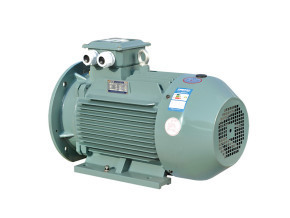
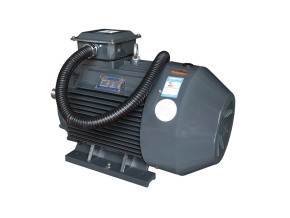
High-efficiency motors are at the forefront of technological innovation in the transportation industry. These motors significantly reduce energy consumption and enhance overall performance across various transportation modes, including electric vehicles, trains, and maritime vessels. As the world shifts towards sustainable solutions, the demand for high-efficiency motors continues to grow, driven by the need for improved energy efficiency and reduced environmental impact.
The Importance of High-Efficiency Motors in Transportation
The transportation sector is one of the largest consumers of energy globally. Traditional motors often waste significant amounts of energy, which translates to higher operational costs and increased greenhouse gas emissions. High-efficiency motors address these challenges by offering improved performance characteristics. By implementing these motors, companies can reduce their carbon footprint while also cutting down on energy costs, making these technologies essential for a sustainable future.
Environmental Impact
The adoption of high-efficiency motors plays a critical role in mitigating climate change. By reducing energy consumption, these motors contribute to lower emissions of harmful pollutants. In addition, as countries and industries commit to stricter environmental regulations, high-efficiency motors provide a viable path for compliance.
Economic Benefits
Investing in high-efficiency motors can lead to significant cost savings over time. While the initial investment may be higher than that of traditional motors, the long-term savings on energy bills and maintenance costs justify the expense. Businesses adopting these technologies often experience a rapid return on investment.
Types of High-Efficiency Motors
Understanding the various types of high-efficiency motors is crucial for selecting the right technology for specific applications. Common types include:
1. Synchronous Motors
Synchronous motors operate at a constant speed and are known for their high efficiency and power factor. They are commonly used in applications requiring precise speed control and high torque.
2. Induction Motors
Induction motors are widely used in industrial applications due to their robustness and simplicity. High-efficiency induction motors feature enhanced rotor designs and improved materials, resulting in lower energy consumption.
3. Permanent Magnet Motors
These motors utilize permanent magnets to produce a magnetic field, resulting in high efficiency and compact designs. They are especially popular in electric vehicles due to their lightweight and space-saving characteristics.
4. Brushless DC Motors
Brushless DC motors offer excellent efficiency and reliability. They are commonly used in electric vehicles and other applications where longevity and performance are critical.
Applications of High-Efficiency Motors in Transportation
High-efficiency motors are utilized across various transportation applications, providing benefits that enhance performance and sustainability.
1. Electric Vehicles (EVs)
The rise of electric vehicles has created a significant demand for high-efficiency motors. These motors enhance battery life and performance, enabling EVs to travel longer distances on a single charge.
2. Rail Transportation
High-efficiency motors are crucial in rail systems, where energy efficiency can drastically reduce operational costs. These motors provide smooth acceleration and deceleration, improving passenger comfort.
3. Marine Applications
In maritime transportation, high-efficiency motors contribute to fuel savings and lower emissions. They are used in various vessels, from ferries to cargo ships, helping to create a more sustainable shipping industry.
4. Aviation
With the growing emphasis on reducing carbon emissions, high-efficiency motors are being explored in the aviation sector for applications such as electric aircraft and hybrid propulsion systems.
Benefits of Adopting High-Efficiency Motors
The transition to high-efficiency motors comes with numerous advantages that extend beyond energy savings.
1. Reduced Energy Consumption
High-efficiency motors consume less energy, directly translating to lower operational costs for businesses and consumers alike.
2. Longer Lifespan
These motors often have a longer operational life due to improved design and materials, leading to reduced maintenance and replacement costs.
3. Enhanced Performance
High-efficiency motors provide better torque and power output, which can improve the overall performance of transportation systems.
4. Lower Noise Levels
Many high-efficiency motors operate more quietly than traditional motors, contributing to a better experience for users and reducing noise pollution in urban areas.
Challenges in Implementing High-Efficiency Motors
While the benefits are significant, several challenges must be addressed to facilitate the widespread adoption of high-efficiency motors.
1. Initial Costs
The upfront investment for high-efficiency motors can deter some businesses, even though long-term savings may outweigh these costs.
2. Infrastructure Compatibility
Integrating high-efficiency motors into existing systems can require modifications to infrastructure, which may involve additional expenses and downtime.
3. Technological Knowledge
There is a need for skilled professionals who understand the nuances of high-efficiency motor technology and can implement it effectively within transportation systems.
Future Trends in High-Efficiency Motor Technology
As technology continues to advance, high-efficiency motors are expected to evolve and improve further. Key trends influencing their development include:
1. Increased Use of AI and IoT
The integration of artificial intelligence and the Internet of Things (IoT) can enhance the control and efficiency of high-efficiency motors, enabling predictive maintenance and real-time performance monitoring.
2. Advancements in Materials
New materials, such as advanced composites and superconductors, are being researched and developed to improve the efficiency and performance of high-efficiency motors.
3. Greater Focus on Sustainability
As global emphasis on sustainability grows, high-efficiency motors will play a pivotal role in reducing emissions and energy consumption across all transportation sectors.
Conclusion: The Path Forward for High-Efficiency Motors
High-efficiency motors represent a crucial component in the ongoing evolution of the transportation industry. Their ability to reduce energy consumption, enhance performance, and contribute to sustainability makes them indispensable in modern transportation systems. As technology advances and the demand for greener solutions increases, the future of high-efficiency motors looks promising. The shift towards these innovative technologies not only supports economic growth but also fosters a sustainable environment for future generations.
FAQs About High-Efficiency Motors
1. What are high-efficiency motors?
High-efficiency motors are electrical motors designed to use less energy while providing the same or improved performance compared to traditional motors.
2. How do high-efficiency motors benefit the environment?
They reduce energy consumption, leading to lower greenhouse gas emissions and a smaller carbon footprint.
3. Are high-efficiency motors more expensive than traditional motors?
While they often have a higher initial cost, the energy savings and longer lifespan typically result in lower overall costs.
4. In what applications are high-efficiency motors commonly used?
They are widely used in electric vehicles, rail transportation, marine vessels, and various industrial applications.
5. What challenges do businesses face when implementing high-efficiency motors?
Challenges include initial costs, compatibility with existing infrastructure, and the need for skilled personnel to manage the technology.
recommend News

Wu Dejun: General Manager
Hu Pengbin: Marketing Director
Production site:
No.28, Huaiying Road, Gaoqiao Town, Changsha City, Hunan Province
Zip Code: 410145
Telephone:0731-86156236
ZhenHua Packing Machinery
Online consultation
Leave a message quickly and our experts will contact you
ZhenHua Packing Machinery
Business License

SAF Coolest v1.3.1.2 设置面板 GAGSD-ZGYF-JESSE-ZEA
无数据提示
Sorry, the current column is being updated, please look forward to it!
You can view other columns or returnHome Page