




Rethinking Efficiency: Industrial Motors in the World of Transportation
2026-08-05

Rethinking Efficiency: Industrial Motors in the World of Transportation
Table of Contents
- Introduction to Industrial Motors and Their Role in Transportation
- Understanding Industrial Motors
- The Impact of Industrial Motors on the Transportation Industry
- Case Studies: Successful Applications of Industrial Motors
- Sustainability and Environmental Considerations
- The Future of Industrial Motors in Transportation
- Frequently Asked Questions
- Conclusion
Introduction to Industrial Motors and Their Role in Transportation
In today's rapidly evolving transportation landscape, **industrial motors** are at the forefront of innovation. These motors not only power various modes of transport—ranging from trains and buses to electric vehicles—but also drive efficiency, sustainability, and performance enhancements across the sector. As we delve deeper into this topic, we will explore how rethinking motor efficiency can lead to significant advancements in the transportation industry.
Understanding Industrial Motors
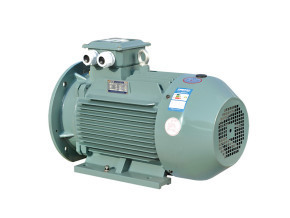
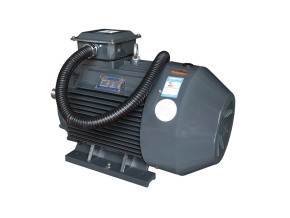
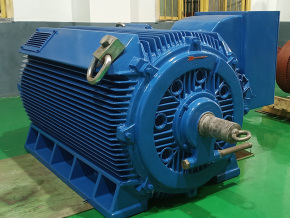
Industrial motors are electromechanical devices that convert electrical energy into mechanical energy, crucial for the operation of numerous transport applications. Their efficiency, reliability, and adaptability make them indispensable in modern transportation systems.
Types of Industrial Motors Used in Transportation
When we talk about industrial motors, there are several types that play a vital role in transportation. These include:
1. **AC Motors**: Commonly used in fixed-speed applications, AC motors are favored for their robustness and efficiency. They are widely used in electric trains and trams.
2. **DC Motors**: Known for their high starting torque and speed control capabilities, DC motors are often found in electric vehicles and starting systems for combustion engines.
3. **Stepper Motors**: These motors provide precise control of movement, making them ideal for applications requiring accuracy, such as automated guided vehicles (AGVs).
4. **Servo Motors**: Often employed in robotics and advanced transportation systems, servo motors deliver high power-to-weight ratios and precise control.
Motor Efficiency and Performance Metrics
Efficiency in industrial motors is critical, as it directly affects energy consumption and operational costs. Key performance metrics include:
- **Efficiency Rating**: Expressed as a percentage, this indicates how well a motor converts electrical energy into mechanical energy. Higher efficiency ratings imply reduced energy costs and lower emissions.
- **Torque and Speed Characteristics**: Understanding the torque-speed characteristics of motors helps in selecting the right motor for specific transport applications.
- **Durability and Maintenance**: The longevity and maintenance needs of motors play a significant role in their overall cost-effectiveness.
The Impact of Industrial Motors on the Transportation Industry
The integration of industrial motors into the transportation sector has led to remarkable advancements and efficiencies. Their ability to provide reliable power sources has transformed how goods and passengers are transported.
Case Studies: Successful Applications of Industrial Motors
Several case studies illustrate the transformative impact of industrial motors:
- **Electric Buses**: Cities implementing electric buses equipped with high-efficiency AC motors have reported reduced operational costs and lower emissions.
- **High-Speed Trains**: The use of advanced DC motors in high-speed trains has significantly improved acceleration and energy efficiency, allowing for faster travel times while minimizing energy consumption.
- **Warehouse Automation**: Automated guided vehicles (AGVs) utilizing stepper and servo motors have enhanced logistics efficiency, reducing delivery times and labor costs.
Sustainability and Environmental Considerations
As the world pivots towards sustainability, industrial motors in transportation are crucial in reducing greenhouse gas emissions. The **adoption of electric and hybrid vehicles** is a prime example where advanced motor technologies are being leveraged to create cleaner, more efficient transport options.
The Future of Industrial Motors in Transportation
With rapid advancements in technology, the future of industrial motors in transportation looks promising.
Innovations in Motor Technology
Innovations such as **brushless motors, integrated motor drives**, and **smart motor technologies** are changing the landscape of transportation. These technologies promise enhanced performance, better energy efficiency, and improved integration with renewable energy sources.
Trends and Predictions for the Next Decade
As we look forward, we can expect to see:
- A shift towards **decentralized energy systems** where vehicles generate and use their own energy.
- Increased adoption of **autonomous vehicles**, which will rely heavily on advanced motor technologies for precise control and efficiency.
- Enhanced focus on **smart grid integration**, allowing for better energy management and optimization in transport systems.
Frequently Asked Questions
1. What are industrial motors, and why are they important in transportation?
Industrial motors are devices that convert electrical energy into mechanical energy, powering various transportation applications. They are crucial for improving efficiency, reducing costs, and enhancing performance in the sector.
2. How do AC and DC motors differ in their applications within transportation?
AC motors are often used in fixed-speed applications like trains, while DC motors are preferred in applications requiring high torque and speed control, such as electric vehicles.
3. What role do industrial motors play in sustainability in transportation?
Industrial motors contribute to sustainability by enabling the use of electric and hybrid vehicles, thus reducing greenhouse gas emissions and energy consumption.
4. What are the latest innovations in motor technology for transportation?
Innovations include brushless motors, integrated motor drives, and smart motor technologies that enhance efficiency and performance in transportation applications.
5. How can companies benefit from implementing advanced industrial motors?
By implementing advanced industrial motors, companies can enhance efficiency, reduce operational costs, and improve their environmental footprint, positioning themselves as leaders in the sustainable transport sector.
Conclusion
Industrial motors are vital to rethinking efficiency in the transportation sector. As we continue to innovate and improve motor technologies, the potential for enhanced performance and sustainability becomes more significant. By embracing these advancements, we can pave the way for a more efficient and environmentally friendly transportation future, benefiting both businesses and society as a whole. The journey of transformation is just beginning, and industrial motors will undoubtedly play a pivotal role in shaping that future.
recommend News

Wu Dejun: General Manager
Hu Pengbin: Marketing Director
Production site:
No.28, Huaiying Road, Gaoqiao Town, Changsha City, Hunan Province
Zip Code: 410145
Telephone:0731-86156236
ZhenHua Packing Machinery
Online consultation
Leave a message quickly and our experts will contact you
ZhenHua Packing Machinery
Business License

SAF Coolest v1.3.1.2 设置面板 GAGSD-ZGYF-JESSE-ZEA
无数据提示
Sorry, the current column is being updated, please look forward to it!
You can view other columns or returnHome Page