




Understanding Subway Motors: Key Components of Urban Transportation Systems
2026-08-08

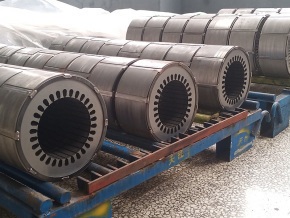
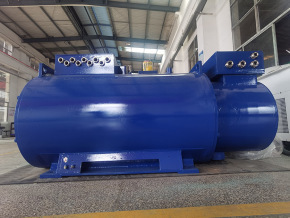
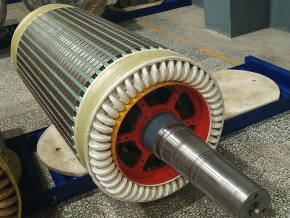
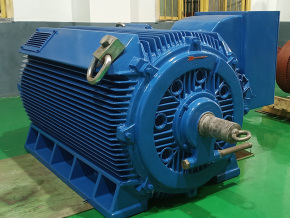
Subway motors are integral to the functionality of urban transit systems, playing a pivotal role in the movement of trains along underground and surface tracks. These motors are responsible for converting electrical energy into mechanical energy, thereby propelling subway cars forward and enabling efficient transit services. Understanding the mechanics and maintenance of subway motors is essential for professionals in the transportation sector, particularly those involved in the design, operation, and maintenance of rail systems.
The primary function of a subway motor is to provide the necessary propulsion for trains. Typically, these motors are designed as either DC (direct current) or AC (alternating current) types. DC motors, while less common in modern applications, are known for their simplicity and ease of speed control. Conversely, AC motors have become the preferred choice in recent years due to their higher efficiency, lower maintenance requirements, and ability to operate at various speeds with the help of sophisticated control systems.
Another vital aspect of subway motors is their integration with various components, including traction systems and braking systems. The performance of a subway motor directly impacts the overall efficiency of the train, affecting acceleration, deceleration, and energy consumption. Professionals must ensure that these motors are properly matched with the corresponding traction and braking systems to achieve optimal performance.
Maintenance is a critical consideration when dealing with subway motors. Regular inspections and servicing can help identify wear and tear on components, thereby preventing costly breakdowns and ensuring safety for passengers and operators alike. Key maintenance activities may involve checking for electrical faults, inspecting bearings, and ensuring that cooling systems are functioning correctly, as overheating can lead to severe damage.
Furthermore, advancements in technology have introduced new features in subway motor designs, such as regenerative braking capabilities, which allow trains to recover energy during braking and feed it back into the power supply. This innovation not only enhances efficiency but also contributes to reducing the overall energy consumption of the transit system.
In conclusion, subway motors serve as the backbone of urban transportation, facilitating the reliable and efficient movement of passengers. For professionals in the transportation industry, understanding the intricacies of subway motor technology, including their design, operation, and maintenance, is essential for ensuring the reliability and efficiency of transit systems. Staying abreast of technological advancements will also empower professionals to adopt best practices that can enhance the performance and sustainability of subway operations.
The primary function of a subway motor is to provide the necessary propulsion for trains. Typically, these motors are designed as either DC (direct current) or AC (alternating current) types. DC motors, while less common in modern applications, are known for their simplicity and ease of speed control. Conversely, AC motors have become the preferred choice in recent years due to their higher efficiency, lower maintenance requirements, and ability to operate at various speeds with the help of sophisticated control systems.
Another vital aspect of subway motors is their integration with various components, including traction systems and braking systems. The performance of a subway motor directly impacts the overall efficiency of the train, affecting acceleration, deceleration, and energy consumption. Professionals must ensure that these motors are properly matched with the corresponding traction and braking systems to achieve optimal performance.
Maintenance is a critical consideration when dealing with subway motors. Regular inspections and servicing can help identify wear and tear on components, thereby preventing costly breakdowns and ensuring safety for passengers and operators alike. Key maintenance activities may involve checking for electrical faults, inspecting bearings, and ensuring that cooling systems are functioning correctly, as overheating can lead to severe damage.
Furthermore, advancements in technology have introduced new features in subway motor designs, such as regenerative braking capabilities, which allow trains to recover energy during braking and feed it back into the power supply. This innovation not only enhances efficiency but also contributes to reducing the overall energy consumption of the transit system.
In conclusion, subway motors serve as the backbone of urban transportation, facilitating the reliable and efficient movement of passengers. For professionals in the transportation industry, understanding the intricacies of subway motor technology, including their design, operation, and maintenance, is essential for ensuring the reliability and efficiency of transit systems. Staying abreast of technological advancements will also empower professionals to adopt best practices that can enhance the performance and sustainability of subway operations.
Previous Page:
recommend News

Wu Dejun: General Manager
Hu Pengbin: Marketing Director
Production site:
No.28, Huaiying Road, Gaoqiao Town, Changsha City, Hunan Province
Zip Code: 410145
Telephone:0731-86156236
ZhenHua Packing Machinery
Online consultation
Leave a message quickly and our experts will contact you
ZhenHua Packing Machinery
Business License

SAF Coolest v1.3.1.2 设置面板 GAGSD-ZGYF-JESSE-ZEA
无数据提示
Sorry, the current column is being updated, please look forward to it!
You can view other columns or returnHome Page