




Maximizing Efficiency in Transportation with High-Efficiency Motors
2026-08-02

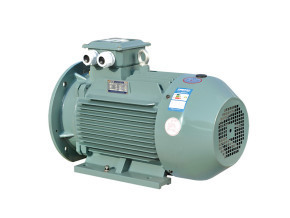
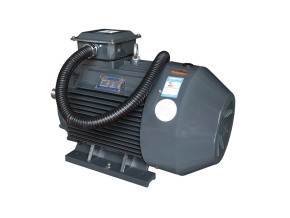
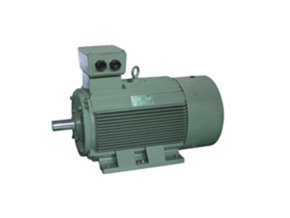
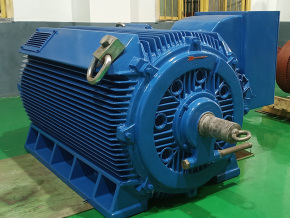
High-efficiency motors are becoming increasingly vital in the transportation industry, particularly in various transportation equipment and components. These motors are designed to maximize energy conversion, resulting in reduced energy consumption and lower operational costs. In a world where sustainability and efficiency are paramount, understanding the benefits and applications of high-efficiency motors can provide significant advantages for businesses involved in transportation.
One of the primary benefits of high-efficiency motors is their ability to deliver improved energy savings. Unlike traditional motors, which often waste energy through heat and friction, high-efficiency motors utilize advanced design features and materials that enhance their performance. This not only leads to substantial reductions in energy usage but also translates into lower utility bills over time, making them a financially smart choice for transportation operators.
Moreover, high-efficiency motors contribute to reducing greenhouse gas emissions. In an era where regulations on emissions are tightening, the adoption of these motors can help organizations align with environmental standards and foster a more sustainable image. By utilizing less energy, high-efficiency motors help lower the carbon footprint of transportation equipment, making them an attractive option for companies looking to enhance their corporate social responsibility.
Another significant advantage of high-efficiency motors is their enhanced reliability and longevity. These motors are engineered to operate under rigorous conditions typical in transportation applications, such as varying loads and frequent starts and stops. Their robust design minimizes wear and tear, leading to longer service life and reduced maintenance requirements. This reliability is crucial for transportation operators who depend on their equipment to perform consistently and efficiently.
High-efficiency motors are also versatile and can be integrated into various types of transportation equipment, including electric vehicles, conveyor systems, and even marine applications. Their adaptability makes them suitable for both new installations and retrofitting existing systems, providing flexibility for businesses looking to upgrade their equipment.
In conclusion, high-efficiency motors present a compelling solution for the transportation industry, offering significant benefits in terms of energy savings, reduced emissions, reliability, and versatility. As the industry continues to evolve toward more sustainable practices, the adoption of these advanced motors can play a pivotal role in driving efficiency and performance in transportation equipment and components. By leveraging the advantages of high-efficiency motors, companies can not only optimize their operations but also contribute positively to the environment.
One of the primary benefits of high-efficiency motors is their ability to deliver improved energy savings. Unlike traditional motors, which often waste energy through heat and friction, high-efficiency motors utilize advanced design features and materials that enhance their performance. This not only leads to substantial reductions in energy usage but also translates into lower utility bills over time, making them a financially smart choice for transportation operators.
Moreover, high-efficiency motors contribute to reducing greenhouse gas emissions. In an era where regulations on emissions are tightening, the adoption of these motors can help organizations align with environmental standards and foster a more sustainable image. By utilizing less energy, high-efficiency motors help lower the carbon footprint of transportation equipment, making them an attractive option for companies looking to enhance their corporate social responsibility.
Another significant advantage of high-efficiency motors is their enhanced reliability and longevity. These motors are engineered to operate under rigorous conditions typical in transportation applications, such as varying loads and frequent starts and stops. Their robust design minimizes wear and tear, leading to longer service life and reduced maintenance requirements. This reliability is crucial for transportation operators who depend on their equipment to perform consistently and efficiently.
High-efficiency motors are also versatile and can be integrated into various types of transportation equipment, including electric vehicles, conveyor systems, and even marine applications. Their adaptability makes them suitable for both new installations and retrofitting existing systems, providing flexibility for businesses looking to upgrade their equipment.
In conclusion, high-efficiency motors present a compelling solution for the transportation industry, offering significant benefits in terms of energy savings, reduced emissions, reliability, and versatility. As the industry continues to evolve toward more sustainable practices, the adoption of these advanced motors can play a pivotal role in driving efficiency and performance in transportation equipment and components. By leveraging the advantages of high-efficiency motors, companies can not only optimize their operations but also contribute positively to the environment.
recommend News

Wu Dejun: General Manager
Hu Pengbin: Marketing Director
Production site:
No.28, Huaiying Road, Gaoqiao Town, Changsha City, Hunan Province
Zip Code: 410145
Telephone:0731-86156236
ZhenHua Packing Machinery
Online consultation
Leave a message quickly and our experts will contact you
ZhenHua Packing Machinery
Business License

SAF Coolest v1.3.1.2 设置面板 GAGSD-ZGYF-JESSE-ZEA
无数据提示
Sorry, the current column is being updated, please look forward to it!
You can view other columns or returnHome Page