




A Deep Dive into Medium-Voltage DC Motors: Key Features for Transportation
2026-07-30

A Deep Dive into Medium-Voltage DC Motors: Key Features for Transportation
Table of Contents
1. Understanding Medium-Voltage DC Motors
2. Importance of Medium-Voltage DC Motors in Transportation
3. Key Features of Medium-Voltage DC Motors
3.1 Efficiency and Performance
3.2 Compact Design and Weight Considerations
4. Applications of Medium-Voltage DC Motors in Transportation
4.1 Electrification of Public Transport
4.2 Freight and Cargo Solutions
5. Advantages Over Traditional Motors
5.1 Energy Efficiency and Cost Savings
5.2 Reduced Emissions and Sustainability
6. Challenges and Solutions in Implementation
6.1 Technical Challenges
6.2 Overcoming Implementation Barriers
7. Future Trends in Medium-Voltage DC Motors for Transportation
8. FAQs About Medium-Voltage DC Motors
9. Conclusion
1. Understanding Medium-Voltage DC Motors
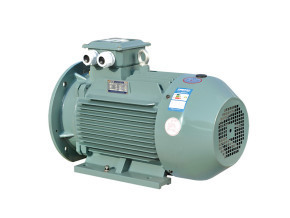
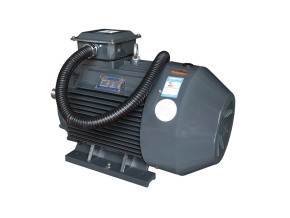
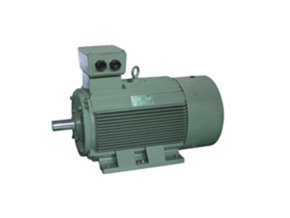
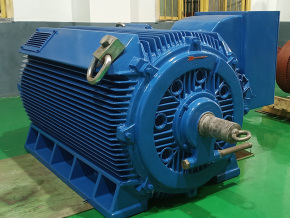
Medium-voltage DC motors are electric motors designed to operate in the voltage range of 1 kV to 10 kV. These motors are characterized by their high efficiency, reliability, and compact size, making them ideal for various industrial and transportation applications. In transportation, they are particularly favored for their ability to provide reliable power and torque, contributing to the overall effectiveness of transportation systems.
2. Importance of Medium-Voltage DC Motors in Transportation
The transportation sector is undergoing a significant transformation, driven by the need for more sustainable, efficient, and reliable power sources. Medium-voltage DC motors are at the forefront of this revolution. Their ability to deliver high torque at lower speeds makes them suitable for a variety of applications, from electric buses to freight vehicles, ensuring that they meet the growing demands for efficient transportation solutions.
3. Key Features of Medium-Voltage DC Motors
3.1 Efficiency and Performance
One of the standout features of medium-voltage DC motors is their efficiency. These motors can achieve efficiencies exceeding 90%, significantly reducing energy consumption compared to traditional AC motors. High efficiency translates to lower operational costs and a reduced carbon footprint, making medium-voltage DC motors an environmentally friendly choice for transportation.
3.2 Compact Design and Weight Considerations
Medium-voltage DC motors are designed to be compact and lightweight, enabling manufacturers to save space and reduce the overall weight of transportation vehicles. This is particularly beneficial in applications where weight is a critical factor, such as in electric buses and trams, where every kilogram matters for performance and energy efficiency.
4. Applications of Medium-Voltage DC Motors in Transportation
4.1 Electrification of Public Transport
The electrification of public transport systems is gaining momentum globally. Medium-voltage DC motors play a pivotal role in this transition, powering electric buses, trams, and subways. Their ability to provide high torque at low speeds is ideal for stop-and-go traffic scenarios commonly encountered in urban environments, enhancing the overall experience for passengers while minimizing emissions.
4.2 Freight and Cargo Solutions
In the freight sector, medium-voltage DC motors are increasingly used to drive electric trucks and cargo vessels. Their efficiency and high torque make them suitable for heavy-duty applications, allowing for seamless transportation of goods over long distances. This shift not only improves efficiency but also contributes to a greener supply chain by reducing dependence on fossil fuels.
5. Advantages Over Traditional Motors
5.1 Energy Efficiency and Cost Savings
One of the key advantages of medium-voltage DC motors over traditional AC motors is their superior energy efficiency. This leads to significant cost savings in both operational and maintenance aspects. By reducing energy consumption, these motors help transportation companies lower their utility bills and increase profit margins.
5.2 Reduced Emissions and Sustainability
As the world moves towards a more sustainable future, medium-voltage DC motors align perfectly with this vision. Their high efficiency means lower energy demands, which translates into reduced greenhouse gas emissions. By adopting these motors, transportation systems can contribute to global sustainability goals, making them a responsible choice for future development.
6. Challenges and Solutions in Implementation
6.1 Technical Challenges
While medium-voltage DC motors offer numerous advantages, their implementation does come with challenges. Technical issues such as complexity in control systems and the need for specialized maintenance can pose barriers to widespread adoption. However, ongoing advancements in technology are addressing these challenges, making it easier for companies to integrate these motors into their operations.
6.2 Overcoming Implementation Barriers
To foster the adoption of medium-voltage DC motors, stakeholders must collaborate to create standardized practices and training programs for technicians. By investing in research and development, the transportation industry can overcome existing barriers and pave the way for the future of electric mobility.
7. Future Trends in Medium-Voltage DC Motors for Transportation
As we look to the future, the role of medium-voltage DC motors in transportation is set to expand. Innovations in battery technology, control systems, and materials science will enhance the performance of these motors. Moreover, the increasing emphasis on sustainable transportation solutions will likely lead to greater investments in medium-voltage DC motor technology.
8. FAQs About Medium-Voltage DC Motors
What is a medium-voltage DC motor?
Medium-voltage DC motors are electric motors designed to operate within the voltage range of 1 kV to 10 kV, known for their efficiency and compact design.
How do medium-voltage DC motors improve transportation efficiency?
These motors provide high torque and efficiency, reducing energy consumption and operational costs while enhancing performance in various transportation applications.
What are the main applications of medium-voltage DC motors in transportation?
They are primarily used in electrified public transport, electric buses, trams, and freight and cargo solutions, contributing to the shift towards sustainable transport systems.
What are the advantages of medium-voltage DC motors over traditional motors?
Key advantages include higher energy efficiency, lower operational costs, reduced emissions, and a more compact design.
What challenges are associated with implementing medium-voltage DC motors?
Technical challenges include complexity in control systems and specialized maintenance needs, which can hinder widespread adoption.
9. Conclusion
Medium-voltage DC motors are transforming the transportation sector by providing efficiency, sustainability, and innovative solutions for the future. As we continue to prioritize green technology and improved performance, these motors will play an increasingly critical role in shaping the transportation landscape. By understanding and leveraging their key features, stakeholders can make informed decisions that align with the evolving demands of the industry. Embracing medium-voltage DC motors not only represents an investment in technology but also in a sustainable future for transportation.
recommend News

Wu Dejun: General Manager
Hu Pengbin: Marketing Director
Production site:
No.28, Huaiying Road, Gaoqiao Town, Changsha City, Hunan Province
Zip Code: 410145
Telephone:0731-86156236
ZhenHua Packing Machinery
Online consultation
Leave a message quickly and our experts will contact you
ZhenHua Packing Machinery
Business License

SAF Coolest v1.3.1.2 设置面板 GAGSD-ZGYF-JESSE-ZEA
无数据提示
Sorry, the current column is being updated, please look forward to it!
You can view other columns or returnHome Page