




The Benefits and Applications of Industrial Permanent Magnet Motors in Transportation
2026-07-27

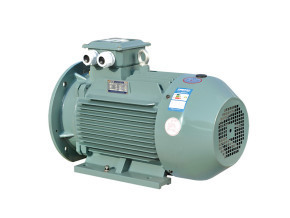
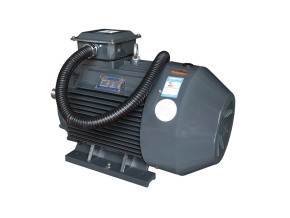
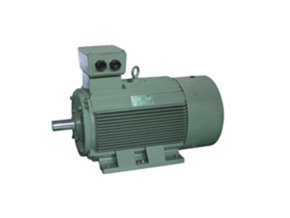
Industrial permanent magnet motors (IPMMs) are becoming increasingly prevalent in the transportation sector, particularly in applications that require high efficiency and reliability. These motors utilize permanent magnets instead of electromagnets to generate a magnetic field, leading to several distinct advantages over traditional motor designs.
One of the primary benefits of using industrial permanent magnet motors is their high efficiency. These motors can achieve efficiency levels above 90%, meaning they convert a significant amount of electrical energy into mechanical energy. This efficiency is particularly important in transportation applications, where reducing energy consumption can lead to lower operational costs and decreased environmental impact. With the emphasis on sustainability in the industry, IPMMs align well with the goals of energy conservation and reduced emissions.
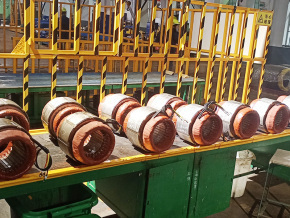
Another advantage of industrial permanent magnet motors is their compact size and lightweight design. Because these motors do not require extensive windings or large iron cores, they can be designed to occupy less space and weigh less than their conventional counterparts. This aspect is particularly advantageous in transportation equipment, where space and weight are critical factors in performance and design. Lighter motors contribute to enhanced vehicle performance, improved handling, and better fuel efficiency.
Moreover, industrial permanent magnet motors exhibit excellent torque characteristics and can provide high torque at low speeds, making them ideal for applications such as electric vehicles, hybrid systems, and other transportation equipment that require immediate responsiveness and smooth acceleration. This capability enhances the overall driving experience, providing a more controlled and enjoyable ride for passengers and operators alike.
IPMMs also require less maintenance compared to traditional motors. The absence of brushes and the reduction in wear components lead to a longer lifespan and lower maintenance needs, which is especially beneficial for transportation systems that operate continuously. Less downtime for maintenance translates into increased availability and reliability for transportation equipment, ultimately improving service delivery.
Finally, the versatility of industrial permanent magnet motors allows them to be integrated into a wide range of transportation applications, from electric buses and trams to automated guided vehicles (AGVs) and conveyor systems. As the demand for innovative and efficient solutions in the transportation industry grows, the role of IPMMs is expected to expand further, driving advancements in technology and performance.
In conclusion, industrial permanent magnet motors play a vital role in the evolution of transportation equipment. Their high efficiency, compact size, superior torque capabilities, and low maintenance requirements make them an appealing choice for various applications, aiding in the transition towards a more sustainable and efficient transportation sector. The future of transportation will undoubtedly benefit from the continued integration of these advanced motor technologies.
One of the primary benefits of using industrial permanent magnet motors is their high efficiency. These motors can achieve efficiency levels above 90%, meaning they convert a significant amount of electrical energy into mechanical energy. This efficiency is particularly important in transportation applications, where reducing energy consumption can lead to lower operational costs and decreased environmental impact. With the emphasis on sustainability in the industry, IPMMs align well with the goals of energy conservation and reduced emissions.
Another advantage of industrial permanent magnet motors is their compact size and lightweight design. Because these motors do not require extensive windings or large iron cores, they can be designed to occupy less space and weigh less than their conventional counterparts. This aspect is particularly advantageous in transportation equipment, where space and weight are critical factors in performance and design. Lighter motors contribute to enhanced vehicle performance, improved handling, and better fuel efficiency.
Moreover, industrial permanent magnet motors exhibit excellent torque characteristics and can provide high torque at low speeds, making them ideal for applications such as electric vehicles, hybrid systems, and other transportation equipment that require immediate responsiveness and smooth acceleration. This capability enhances the overall driving experience, providing a more controlled and enjoyable ride for passengers and operators alike.
IPMMs also require less maintenance compared to traditional motors. The absence of brushes and the reduction in wear components lead to a longer lifespan and lower maintenance needs, which is especially beneficial for transportation systems that operate continuously. Less downtime for maintenance translates into increased availability and reliability for transportation equipment, ultimately improving service delivery.
Finally, the versatility of industrial permanent magnet motors allows them to be integrated into a wide range of transportation applications, from electric buses and trams to automated guided vehicles (AGVs) and conveyor systems. As the demand for innovative and efficient solutions in the transportation industry grows, the role of IPMMs is expected to expand further, driving advancements in technology and performance.
In conclusion, industrial permanent magnet motors play a vital role in the evolution of transportation equipment. Their high efficiency, compact size, superior torque capabilities, and low maintenance requirements make them an appealing choice for various applications, aiding in the transition towards a more sustainable and efficient transportation sector. The future of transportation will undoubtedly benefit from the continued integration of these advanced motor technologies.
recommend News

Wu Dejun: General Manager
Hu Pengbin: Marketing Director
Production site:
No.28, Huaiying Road, Gaoqiao Town, Changsha City, Hunan Province
Zip Code: 410145
Telephone:0731-86156236
ZhenHua Packing Machinery
Online consultation
Leave a message quickly and our experts will contact you
ZhenHua Packing Machinery
Business License

SAF Coolest v1.3.1.2 设置面板 GAGSD-ZGYF-JESSE-ZEA
无数据提示
Sorry, the current column is being updated, please look forward to it!
You can view other columns or returnHome Page