




Future-Proof Your Transport Equipment with Permanent Magnet Motors
2026-07-24

Future-Proof Your Transport Equipment with Permanent Magnet Motors
In an era where sustainable technology is at the forefront of innovation, permanent magnet motors (PMMs) are emerging as a transformative solution for the transport equipment industry. These motors, characterized by their high efficiency and compact design, are revolutionizing how transport equipment operates, paving the way for a more sustainable and profitable future. In this article, we will delve deep into the benefits of PMMs, their applications, and how they can help future-proof your transport equipment. We will also explore the latest trends in this technology and provide insightful FAQs to enhance your understanding.
Table of Contents
- 1. Introduction to Permanent Magnet Motors
- 2. Key Advantages of Permanent Magnet Motors
- 3. Applications of PMMs in Transport Equipment
- 4. Sustainability and Environmental Impact
- 5. Future Trends in Permanent Magnet Motor Technology
- 6. Challenges in Implementing PMMs
- 7. Comparing PMMs to Traditional Electric Motors
- 8. FAQs about Permanent Magnet Motors
- 9. Conclusion
1. Introduction to Permanent Magnet Motors
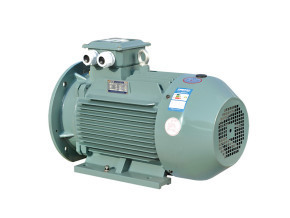
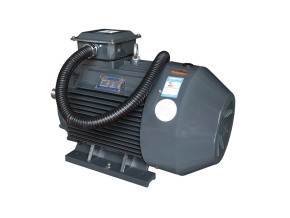
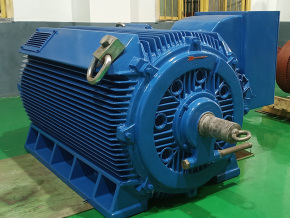
Permanent magnet motors are electric motors that use permanent magnets to create a magnetic field, which enables efficient motion. Unlike traditional motors that rely on electromagnets, PMMs can achieve higher efficiency rates, lower energy consumption, and compact designs. These motors are being widely adopted across various sectors, including transport equipment, due to their remarkable performance and efficiency.
1.1 How Permanent Magnet Motors Work
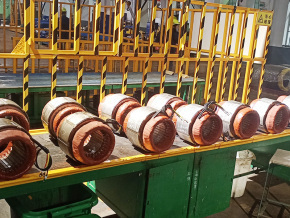
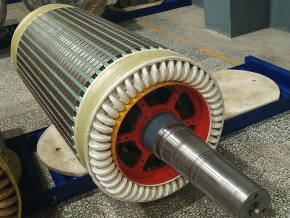
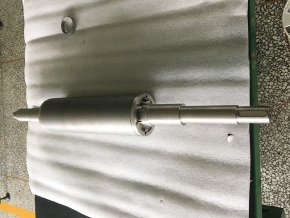
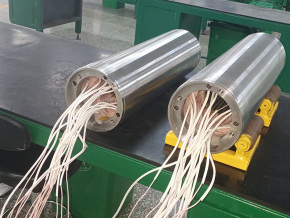
The operation of permanent magnet motors is based on the principles of electromagnetism. When an electric current flows through the stator windings, it generates a rotating magnetic field, which interacts with the magnetic field of the permanent magnets on the rotor. This interaction produces torque and causes the rotor to spin, thus generating motion. The simplicity of this design leads to reduced wear and tear, contributing to the longevity of the equipment.
2. Key Advantages of Permanent Magnet Motors
Permanent magnet motors offer numerous advantages that make them an appealing option for transport equipment manufacturers and operators alike. Here are some of the most notable benefits:
2.1 Enhanced Efficiency
One of the primary advantages of PMMs is their exceptional efficiency. With efficiencies exceeding 90%, these motors consume significantly less energy compared to traditional electric motors. This efficiency translates into lower operational costs and a reduced carbon footprint, making them an environmentally friendly choice.
2.2 Compact and Lightweight Design
The compact design of permanent magnet motors allows for easier integration into various transport equipment. This lightweight feature not only saves space but also contributes to increased payload capacity and improved overall performance.
2.3 Low Maintenance Requirements
Because PMMs have fewer moving parts compared to traditional motors, they require less maintenance. The absence of brushes in these motors means there's minimal wear over time, resulting in lower maintenance costs and reduced downtime for equipment.
3. Applications of PMMs in Transport Equipment
Permanent magnet motors are versatile and can be utilized in various transport equipment applications. Some notable examples include:
3.1 Electric Vehicles (EVs)
In the electric vehicle sector, PMMs are extensively used due to their high torque and efficiency. These motors enable EVs to achieve longer ranges and faster acceleration, making them a favored choice among manufacturers.
3.2 Trains and Trams
Modern trains and trams increasingly utilize permanent magnet motors for propulsion. The improved efficiency of PMMs leads to lower operational costs and enhanced performance in urban transport systems.
3.3 Commercial and Industrial Equipment
Commercial transport vehicles, including buses and delivery trucks, are also incorporating PMMs. The reduced weight and size of these motors allow for more flexible vehicle designs and improved fuel efficiency.
4. Sustainability and Environmental Impact
As the world moves towards sustainable practices, the transport equipment industry is no exception. Permanent magnet motors contribute to this shift by:
4.1 Reducing Energy Consumption
By operating at higher efficiencies, PMMs consume less energy, leading to a decrease in greenhouse gas emissions. This aligns with global efforts to combat climate change and promote sustainable energy sources.
4.2 Promoting Sustainable Manufacturing Practices
The production of PMMs often involves eco-friendly materials and processes. Manufacturers are increasingly focusing on sustainability throughout the entire lifecycle of these motors, from production to disposal.
5. Future Trends in Permanent Magnet Motor Technology
As technology advances, several trends are emerging in the field of permanent magnet motors that will shape their future in the transport equipment sector:
5.1 Integration with Smart Technologies
The integration of PMMs with smart technologies, such as IoT and AI, is set to revolutionize performance monitoring and predictive maintenance. This will allow for real-time data collection and analysis, enhancing operational efficiency.
5.2 Enhanced Materials and Designs
Advancements in materials science are leading to the development of more efficient permanent magnets. Research into alternative materials could mitigate cost issues associated with rare earth elements, making PMMs more accessible.
6. Challenges in Implementing PMMs
While the benefits of permanent magnet motors are significant, there are challenges associated with their implementation:
6.1 Cost of Production
The initial cost of PMMs can be higher than traditional motors due to the use of rare earth materials. However, the long-term savings on energy and maintenance often outweigh these initial investments.
6.2 Supply Chain Issues
The reliance on rare earth materials can create supply chain vulnerabilities. Manufacturers are working towards diversifying sources and developing alternative materials to address this challenge.
7. Comparing PMMs to Traditional Electric Motors
When considering permanent magnet motors, it is essential to compare them with traditional electric motors to understand their advantages:
7.1 Efficiency and Performance
Permanent magnet motors consistently outperform traditional motors concerning efficiency and torque. This superior performance often results in lower energy costs and enhanced vehicle functionality.
7.2 Maintenance and Longevity
With fewer moving parts and no brushes, PMMs are designed for longevity and require less maintenance. Traditional motors often need regular upkeep, leading to higher long-term costs.
8. FAQs about Permanent Magnet Motors
8.1 What are permanent magnet motors?
Permanent magnet motors are electric motors that utilize permanent magnets to produce a magnetic field for propulsion, allowing for high efficiency and compact design.
8.2 How do PMMs compare to traditional electric motors?
PMMs offer higher efficiency, lower maintenance, and a more compact design compared to traditional electric motors, making them a more sustainable option.
8.3 Are PMMs suitable for all types of transport equipment?
While PMMs are highly versatile, their suitability depends on specific application requirements, including power needs and space constraints.
8.4 What are the main challenges in adopting permanent magnet motors?
The primary challenges include the higher production costs associated with rare earth materials and potential supply chain vulnerabilities.
8.5 How can PMMs contribute to sustainability in transport?
By reducing energy consumption and promoting sustainable manufacturing practices, PMMs can significantly lower the environmental impact of transport equipment.
9. Conclusion
Permanent magnet motors are redefining the landscape of transport equipment. Their efficiency, compact design, and low maintenance requirements position them as a key technology for the future of the transport industry. By embracing PMMs, manufacturers can not only enhance the performance of their equipment but also contribute to a more sustainable future. As challenges are addressed and advancements continue, PMMs will undoubtedly play a pivotal role in the evolution of transport technology.
Previous Page:
recommend News

Wu Dejun: General Manager
Hu Pengbin: Marketing Director
Production site:
No.28, Huaiying Road, Gaoqiao Town, Changsha City, Hunan Province
Zip Code: 410145
Telephone:0731-86156236
ZhenHua Packing Machinery
Online consultation
Leave a message quickly and our experts will contact you
ZhenHua Packing Machinery

SAF Coolest v1.3.1.2 设置面板 GAGSD-ZGYF-JESSE-ZEA
无数据提示
Sorry, the current column is being updated, please look forward to it!
You can view other columns or returnHome Page