




Understanding Rail Transit Motors: Key Components for Efficient Transportation
2026-07-21

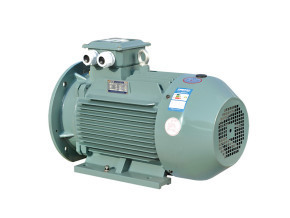
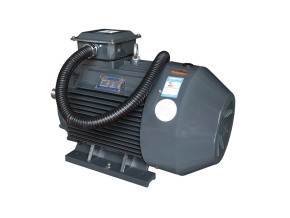
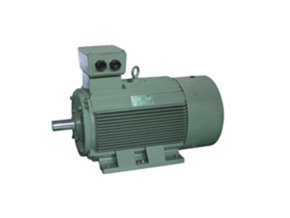
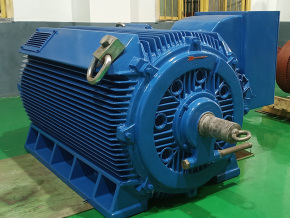
Rail transit motors are vital components of modern transportation systems, serving as the driving force behind trains, trams, and other rail vehicles. These motors convert electrical energy into mechanical energy, enabling vehicles to move efficiently along tracks. Understanding the intricacies of rail transit motors can provide insights into their operational efficiency and potential for innovation within the transportation sector.
There are various types of rail transit motors, each designed to meet specific operational needs. The most common types include AC (Alternating Current) and DC (Direct Current) motors. AC motors are widely used due to their efficiency and ability to handle variable speeds, making them ideal for high-speed trains. On the other hand, DC motors are appreciated for their simplicity and ease of control, often found in light rail and tram systems.
One of the primary considerations when selecting rail transit motors is their power-to-weight ratio. A lightweight motor can enhance the overall efficiency of the train, allowing for reduced energy consumption and potentially lower operational costs. Additionally, advancements in technology have led to the development of more compact and powerful motors, which can further improve performance without compromising space.
Another critical aspect of rail transit motors is their maintenance and reliability. Regular maintenance checks are essential to ensure optimal performance and longevity. Modern rail transit motors are designed with durability in mind, often equipped with features that minimize wear and tear, reduce vibrations, and enhance overall operational stability. This reliability is crucial in maintaining service schedules and ensuring passenger safety.
Incorporating energy-efficient motors into rail systems can also contribute to environmental sustainability. With the increasing emphasis on reducing carbon footprints, rail transit motors that utilize green technologies are becoming more prevalent. These innovations not only enhance energy efficiency but also align with global efforts to create more sustainable transportation solutions.
Moreover, the integration of smart technologies into rail transit motors is a growing trend. These technologies enhance monitoring capabilities, allowing for predictive maintenance and real-time performance analytics. By utilizing data, operators can make proactive decisions, further enhancing the efficiency and reliability of rail services.
In conclusion, rail transit motors play an indispensable role in the transportation industry, influencing the performance and efficiency of rail systems. By understanding the various types of motors, their maintenance needs, and the advancements in technology, stakeholders can leverage these insights to optimize rail operations, ultimately leading to a more efficient and sustainable transportation future. Whether for high-speed trains or light rail systems, investing in the right rail transit motor is essential for any modern transportation network.
There are various types of rail transit motors, each designed to meet specific operational needs. The most common types include AC (Alternating Current) and DC (Direct Current) motors. AC motors are widely used due to their efficiency and ability to handle variable speeds, making them ideal for high-speed trains. On the other hand, DC motors are appreciated for their simplicity and ease of control, often found in light rail and tram systems.
One of the primary considerations when selecting rail transit motors is their power-to-weight ratio. A lightweight motor can enhance the overall efficiency of the train, allowing for reduced energy consumption and potentially lower operational costs. Additionally, advancements in technology have led to the development of more compact and powerful motors, which can further improve performance without compromising space.
Another critical aspect of rail transit motors is their maintenance and reliability. Regular maintenance checks are essential to ensure optimal performance and longevity. Modern rail transit motors are designed with durability in mind, often equipped with features that minimize wear and tear, reduce vibrations, and enhance overall operational stability. This reliability is crucial in maintaining service schedules and ensuring passenger safety.
Incorporating energy-efficient motors into rail systems can also contribute to environmental sustainability. With the increasing emphasis on reducing carbon footprints, rail transit motors that utilize green technologies are becoming more prevalent. These innovations not only enhance energy efficiency but also align with global efforts to create more sustainable transportation solutions.
Moreover, the integration of smart technologies into rail transit motors is a growing trend. These technologies enhance monitoring capabilities, allowing for predictive maintenance and real-time performance analytics. By utilizing data, operators can make proactive decisions, further enhancing the efficiency and reliability of rail services.
In conclusion, rail transit motors play an indispensable role in the transportation industry, influencing the performance and efficiency of rail systems. By understanding the various types of motors, their maintenance needs, and the advancements in technology, stakeholders can leverage these insights to optimize rail operations, ultimately leading to a more efficient and sustainable transportation future. Whether for high-speed trains or light rail systems, investing in the right rail transit motor is essential for any modern transportation network.
recommend News

Wu Dejun: General Manager
Hu Pengbin: Marketing Director
Production site:
No.28, Huaiying Road, Gaoqiao Town, Changsha City, Hunan Province
Zip Code: 410145
Telephone:0731-86156236
ZhenHua Packing Machinery
Online consultation
Leave a message quickly and our experts will contact you
ZhenHua Packing Machinery
Business License

SAF Coolest v1.3.1.2 设置面板 GAGSD-ZGYF-JESSE-ZEA
无数据提示
Sorry, the current column is being updated, please look forward to it!
You can view other columns or returnHome Page