




The Connection Between Subway Motors and Reduced Transit Times: Maximizing Efficiency in Urban Transit
2026-07-18

The Connection Between Subway Motors and Reduced Transit Times: Maximizing Efficiency in Urban Transit
Table of Contents
1. Introduction
2. Understanding Subway Motors
2.1 What Are Subway Motors?
2.2 Types of Subway Motors Used in Urban Transit
3. The Mechanics of Subway Motors
3.1 How Subway Motors Operate
3.2 The Role of Electric Motors in Subway Systems
4. Impact of Subway Motors on Transit Times
4.1 Speed and Acceleration: Key Performance Indicators
4.2 Reducing Delays and Enhancing Reliability
5. Technological Innovations in Subway Motors
5.1 Advances in Motor Design and Materials
5.2 Smart Technologies and Automation
6. Case Studies: Success Stories from Major Cities
6.1 New York City: Innovations in the Subway System
6.2 Tokyo: A Benchmark for Efficient Transit
7. Challenges Facing Subway Motor Efficiency
7.1 Aging Infrastructure and Maintenance Issues
7.2 Environmental Considerations and Sustainability
8. Future Trends in Subway Motor Technology
8.1 The Shift Towards Green Technologies
8.2 The Role of AI and Machine Learning in Transit
9. Frequently Asked Questions (FAQs)
10. Conclusion
1. Introduction
In today’s fast-paced urban environments, effective transportation systems are crucial for ensuring smooth mobility. Subway systems, as a backbone of public transit in many cities, play a significant role in reducing congestion and transit times. Central to this efficiency are subway motors, which directly influence the speed, reliability, and performance of these transit systems. This article explores the intricate relationship between subway motors and reduced transit times, emphasizing how technological advancements contribute to more efficient urban transportation.
2. Understanding Subway Motors
2.1 What Are Subway Motors?
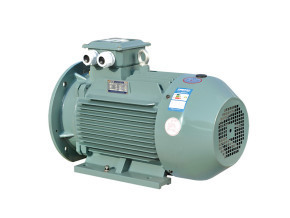
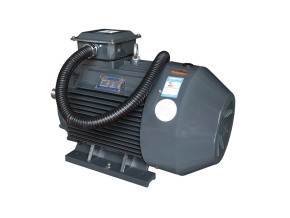
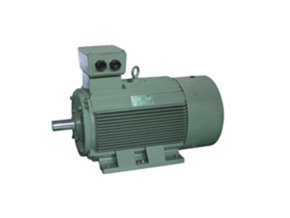
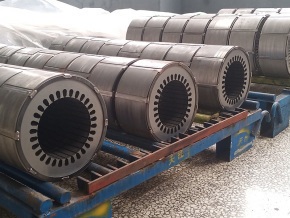
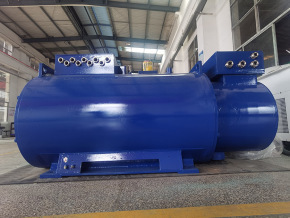
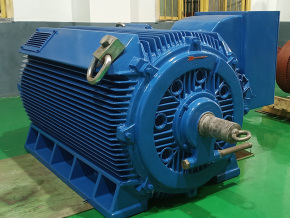
Subway motors are specialized electric traction motors designed to drive the wheels of subway trains. They convert electrical energy into mechanical energy, propelling the entire train along the tracks. The efficiency and performance of these motors are vital for optimizing transit times and overall service reliability.
2.2 Types of Subway Motors Used in Urban Transit
Subway systems primarily utilize two types of motors: **DC (Direct Current) motors** and **AC (Alternating Current) motors**. While DC motors have traditionally been favored for their simplicity and reliability, many modern systems are transitioning to AC motors due to their higher efficiency, lower maintenance costs, and better performance characteristics.
3. The Mechanics of Subway Motors
3.1 How Subway Motors Operate
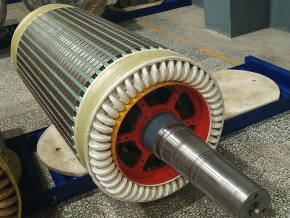
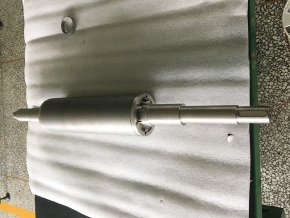
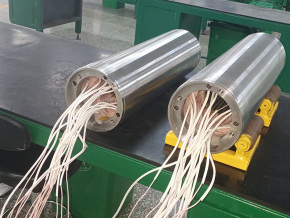
Subway motors operate through an electromagnetic system that generates motion. When electric current flows through the motor coils, it creates a magnetic field that interacts with permanent magnets or electromagnetic coils, causing the rotor to spin. This spinning motion is transferred to the wheels, propelling the train forward.
3.2 The Role of Electric Motors in Subway Systems
Electric motors are essential for controlling the train’s speed and acceleration. With advancements in motor control technology, such as **variable frequency drives (VFDs)**, subway systems can achieve smoother acceleration and deceleration. This capability not only improves passenger comfort but also helps reduce travel time between stations.
4. Impact of Subway Motors on Transit Times
4.1 Speed and Acceleration: Key Performance Indicators
The speed at which a subway train can travel between stations is primarily determined by the performance of its motors. High-performance motors enable faster acceleration and deceleration, allowing trains to maintain higher average speeds. This reduction in travel time is especially critical during peak hours when demand is high.
4.2 Reducing Delays and Enhancing Reliability
Reliable subway motors reduce the likelihood of service interruptions. When motors are well-maintained and operate efficiently, they help prevent delays caused by mechanical failures. This reliability is crucial for maintaining tight schedules and minimizing wait times for passengers.
5. Technological Innovations in Subway Motors
5.1 Advances in Motor Design and Materials
Innovations in motor design, such as the use of lightweight materials and enhanced cooling systems, have significantly improved the efficiency of subway motors. These advancements contribute to better performance and lower energy consumption, ultimately leading to reduced transit times.
5.2 Smart Technologies and Automation
The integration of smart technologies in subway systems enhances motor performance. Systems equipped with sensors and data analytics can monitor motor performance in real-time, allowing for predictive maintenance and timely interventions. This proactive approach minimizes downtime and optimizes the overall efficiency of subway operations.
6. Case Studies: Success Stories from Major Cities
6.1 New York City: Innovations in the Subway System
New York City’s subway system has undergone significant upgrades, including the implementation of modern AC motor technology. These innovations have led to improved acceleration and reduced travel times, contributing to a more efficient transit experience for millions of riders daily.
6.2 Tokyo: A Benchmark for Efficient Transit
Tokyo’s subway network is known for its punctuality and efficiency. The city has embraced advanced motor technologies, including regenerative braking systems that recover energy during deceleration. This not only enhances motor performance but also contributes to energy savings, ultimately improving transit times.
7. Challenges Facing Subway Motor Efficiency
7.1 Aging Infrastructure and Maintenance Issues
Many cities face challenges related to aging subway infrastructure. Over time, motors and other components may deteriorate, impacting overall efficiency. Regular maintenance and timely upgrades are essential to ensure that subway motors continue to operate effectively and reduce transit times.
7.2 Environmental Considerations and Sustainability
As public awareness of environmental issues grows, subway systems must balance efficiency with sustainability. Transitioning to eco-friendly motor technologies, such as those that utilize renewable energy sources, can help reduce the carbon footprint of urban transit while maintaining performance standards.
8. Future Trends in Subway Motor Technology
8.1 The Shift Towards Green Technologies
The future of subway motor technology is leaning towards greener alternatives. Innovations such as **hybrid and fully electric systems** are on the rise, promising not only to reduce energy consumption but also to minimize environmental impact. These technologies position subway systems as leaders in sustainable urban transit.
8.2 The Role of AI and Machine Learning in Transit
Artificial Intelligence (AI) and machine learning are set to revolutionize subway operations. By analyzing vast amounts of data, these technologies can enhance motor performance, optimize scheduling, and further reduce transit times. Automation in operational processes promises a new era of efficiency for subway systems.
9. Frequently Asked Questions (FAQs)
Q1: How do subway motors affect overall transit efficiency?
A1: Subway motors directly impact speed, acceleration, and reliability, all of which are crucial for maintaining efficient transit operations.
Q2: What types of motors are commonly used in subway systems?
A2: The most common types of motors used are DC and AC motors, with many modern systems favoring AC for their efficiency.
Q3: How can technological innovations improve subway motor performance?
A3: Innovations, such as smart technologies, advanced materials, and automation, enhance performance, reduce energy consumption, and help prevent delays.
Q4: Why is motor maintenance important for subway efficiency?
A4: Regular maintenance ensures that subway motors operate optimally, which is essential for minimizing delays and enhancing service reliability.
Q5: What trends are emerging in subway motor technology?
A5: Future trends include the shift toward green technologies, the incorporation of AI, and continuous improvements in motor design and efficiency.
10. Conclusion
The connection between subway motors and reduced transit times is a crucial aspect of urban transportation systems. As cities grow and the demand for efficient public transit increases, investing in advanced motor technologies becomes essential. By focusing on innovation, maintenance, and sustainability, subway systems can continue to enhance their performance, ensuring that they meet the needs of urban commuters effectively. The future of urban transit lies in the hands of these powerful motors, driving cities toward a more efficient and sustainable mobility landscape.
recommend News

Wu Dejun: General Manager
Hu Pengbin: Marketing Director
Production site:
No.28, Huaiying Road, Gaoqiao Town, Changsha City, Hunan Province
Zip Code: 410145
Telephone:0731-86156236
ZhenHua Packing Machinery
Online consultation
Leave a message quickly and our experts will contact you
ZhenHua Packing Machinery
Business License

SAF Coolest v1.3.1.2 设置面板 GAGSD-ZGYF-JESSE-ZEA
无数据提示
Sorry, the current column is being updated, please look forward to it!
You can view other columns or returnHome Page