




Understanding Industrial Motors: Essential Components for Enhanced Transportation Solutions
2026-07-15

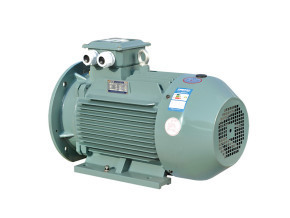
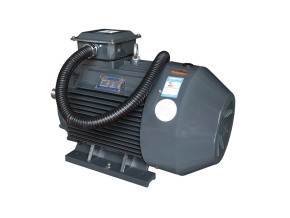
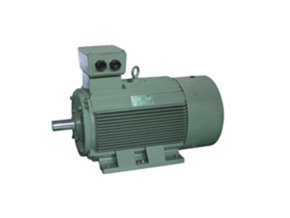
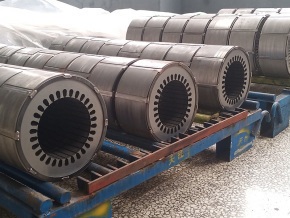
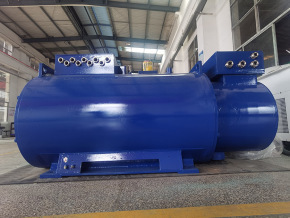
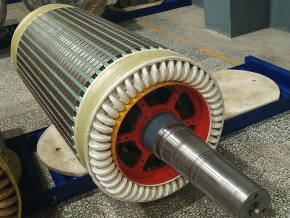
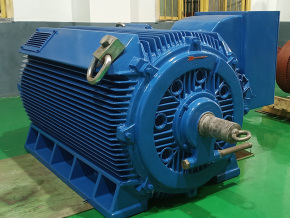
Industrial motors are pivotal components in a wide array of transportation equipment, particularly when it comes to ensuring efficiency and reliability in operations. These robust machines convert electrical energy into mechanical energy, powering various devices and vehicles used in transportation. Understanding industrial motors is essential for anyone involved in the transportation sector, as they serve to optimize performance and enhance operational capabilities.
Industrial motors come in various types, including AC (Alternating Current) and DC (Direct Current) motors, each having its unique features and applications. AC motors are widely used in heavy-duty applications due to their durability and lower maintenance requirements. On the other hand, DC motors offer precise speed control and are often utilized in applications where variable speed is necessary. For transportation equipment, the choice between AC and DC motors may depend on the specific requirements of the system, such as the desired torque, speed, and overall efficiency.
One of the primary advantages of using industrial motors in transportation applications is their ability to provide consistent and reliable performance. Whether in electric buses, automated guided vehicles, or conveyor systems, industrial motors ensure that operations run smoothly. Their design often incorporates features that enhance efficiency, such as high power-to-weight ratios, which are crucial for reducing energy consumption and improving overall system performance.
In addition to efficiency, industrial motors contribute to the safety and longevity of transportation equipment. With advanced technologies, many modern industrial motors come equipped with built-in protection mechanisms, preventing overheating and ensuring operation within safe parameters. This is particularly important in transportation settings, where failure can lead to significant operational disruptions and safety hazards.
Moreover, the integration of industrial motors with smart technologies allows for enhanced monitoring and control. By leveraging Internet of Things (IoT) capabilities, operators can track motor performance in real-time, enabling predictive maintenance and reducing downtime. This modernization ensures that transportation equipment remains in optimal condition, thus improving operational reliability and effectiveness.
In conclusion, industrial motors are indispensable in the transportation sector, providing the necessary power and efficiency for various applications. Understanding their types, benefits, and the technologies associated with them can lead to better decision-making when selecting equipment for transportation systems. As the industry continues to evolve, the role of industrial motors will remain critical to enhancing performance and ensuring the reliable operation of various transportation devices and components.
Industrial motors come in various types, including AC (Alternating Current) and DC (Direct Current) motors, each having its unique features and applications. AC motors are widely used in heavy-duty applications due to their durability and lower maintenance requirements. On the other hand, DC motors offer precise speed control and are often utilized in applications where variable speed is necessary. For transportation equipment, the choice between AC and DC motors may depend on the specific requirements of the system, such as the desired torque, speed, and overall efficiency.
One of the primary advantages of using industrial motors in transportation applications is their ability to provide consistent and reliable performance. Whether in electric buses, automated guided vehicles, or conveyor systems, industrial motors ensure that operations run smoothly. Their design often incorporates features that enhance efficiency, such as high power-to-weight ratios, which are crucial for reducing energy consumption and improving overall system performance.
In addition to efficiency, industrial motors contribute to the safety and longevity of transportation equipment. With advanced technologies, many modern industrial motors come equipped with built-in protection mechanisms, preventing overheating and ensuring operation within safe parameters. This is particularly important in transportation settings, where failure can lead to significant operational disruptions and safety hazards.
Moreover, the integration of industrial motors with smart technologies allows for enhanced monitoring and control. By leveraging Internet of Things (IoT) capabilities, operators can track motor performance in real-time, enabling predictive maintenance and reducing downtime. This modernization ensures that transportation equipment remains in optimal condition, thus improving operational reliability and effectiveness.
In conclusion, industrial motors are indispensable in the transportation sector, providing the necessary power and efficiency for various applications. Understanding their types, benefits, and the technologies associated with them can lead to better decision-making when selecting equipment for transportation systems. As the industry continues to evolve, the role of industrial motors will remain critical to enhancing performance and ensuring the reliable operation of various transportation devices and components.
Previous Page:
recommend News

Wu Dejun: General Manager
Hu Pengbin: Marketing Director
Production site:
No.28, Huaiying Road, Gaoqiao Town, Changsha City, Hunan Province
Zip Code: 410145
Telephone:0731-86156236
ZhenHua Packing Machinery
Online consultation
Leave a message quickly and our experts will contact you
ZhenHua Packing Machinery
Business License

SAF Coolest v1.3.1.2 设置面板 GAGSD-ZGYF-JESSE-ZEA
无数据提示
Sorry, the current column is being updated, please look forward to it!
You can view other columns or returnHome Page