




Enhancing Fuel Efficiency with High-Efficiency Motors in Transport Vehicles
2026-07-12

Enhancing Fuel Efficiency with High-Efficiency Motors in Transport Vehicles
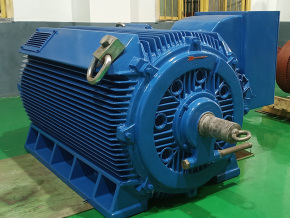
Transport vehicles are crucial for global logistics and commuting, but they are also significant contributors to greenhouse gas emissions and fuel consumption. In the pursuit of sustainability and economic efficiency, the adoption of **high-efficiency motors** presents a promising solution. This article explores the impact of high-efficiency motors on fuel efficiency in transport vehicles, their benefits, challenges in implementation, and future trends.
Table of Contents
- 1. Introduction to High-Efficiency Motors
- 2. Importance of Fuel Efficiency in Transport
- 3. How High-Efficiency Motors Work
- 4. Benefits of High-Efficiency Motors in Transport Vehicles
- 5. Challenges of Implementing High-Efficiency Motors
- 6. Real-World Examples of High-Efficiency Motors in Use
- 7. Future Trends in High-Efficiency Motors
- 8. Conclusion
- 9. FAQs
1. Introduction to High-Efficiency Motors
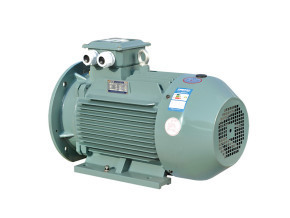
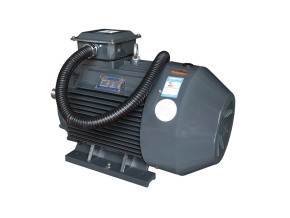
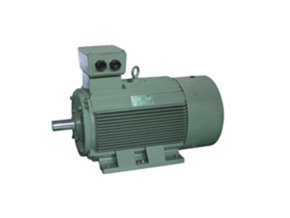
High-efficiency motors are designed to convert electrical energy into mechanical energy with minimal losses. Utilizing advanced technologies such as improved materials, optimized design, and innovative cooling methods, these motors typically achieve efficiency ratings of 90% or higher. This means less energy is wasted as heat, translating into better fuel economy for transport vehicles.
2. Importance of Fuel Efficiency in Transport
Fuel efficiency is a critical aspect of the transportation industry, affecting not only the operational costs of businesses but also environmental sustainability. As the global community increasingly focuses on reducing carbon footprints, efficient fuel use becomes essential. Enhanced fuel efficiency leads to lower emissions, reduced dependence on fossil fuels, and overall cost savings for operators.
3. How High-Efficiency Motors Work
High-efficiency motors operate on principles that minimize energy loss. They utilize superior design features such as:
- **Improved magnetic materials**: These materials reduce reluctance losses, ensuring that the motor operates more efficiently.
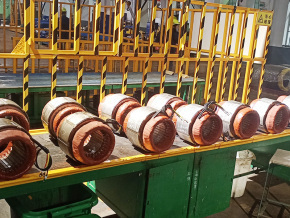
- **Optimized winding configurations**: This reduces current losses and enhances torque output.
- **Advanced cooling techniques**: Effective cooling systems ensure that the motor runs at optimal temperatures, preventing energy loss due to heat.
By combining these technologies, high-efficiency motors significantly enhance the performance of transport vehicles while promoting sustainable practices.
4. Benefits of High-Efficiency Motors in Transport Vehicles
4.1 Economic Benefits
Investing in high-efficiency motors can yield substantial economic advantages. The initial cost may be higher compared to traditional motors, but the long-term savings on fuel consumption and maintenance can offset this investment. Reduced energy consumption leads to lower fuel costs, and many organizations find that they can recover their costs within a few years, especially in high-usage scenarios.
4.2 Environmental Benefits
The transition to high-efficiency motors contributes significantly to environmental sustainability. By minimizing energy wastage, these motors help decrease greenhouse gas emissions. The reduction in fuel consumption directly correlates with less air pollution and a lower carbon footprint, aligning with global efforts to combat climate change.
4.3 Performance Benefits
High-efficiency motors not only enhance fuel economy but also improve overall performance. They provide better torque and acceleration, which can be critical for transport vehicles that require quick responses to varying load conditions. Additionally, these motors often have longer lifespans, reducing the frequency of replacements and the associated downtime.
5. Challenges of Implementing High-Efficiency Motors
While the benefits of high-efficiency motors are compelling, several challenges hinder their widespread adoption in the transport sector.
5.1 Cost Challenges
The primary barrier to implementing high-efficiency motors is the initial investment. Businesses must weigh the cost of purchasing and installing these motors against the potential savings they offer. For smaller operators, the upfront costs can be daunting, making it essential to evaluate financing options and incentives for energy-efficient technologies.
5.2 Technical Challenges
Integrating high-efficiency motors into existing transport vehicles can pose technical challenges. Vehicles may require modifications to accommodate the new motors, including changes to electrical systems and control algorithms. Additionally, training staff to maintain and operate these advanced systems is crucial for ensuring their effectiveness.
6. Real-World Examples of High-Efficiency Motors in Use
Several industries have successfully integrated high-efficiency motors into their transport fleets, showcasing the technology's potential.
- **Public Transportation**: Many cities are upgrading their bus fleets with high-efficiency electric motors, resulting in significant reductions in fuel consumption and emissions.
- **Freight and Logistics**: Companies such as DHL and FedEx are investing in electric delivery vehicles equipped with high-efficiency motors to optimize their logistics and reduce operational costs.
- **Construction Equipment**: Heavy machinery manufacturers are now offering excavators and loaders with high-efficiency motors, enhancing fuel economy and performance on job sites.
These examples illustrate the tangible benefits that high-efficiency motors can provide across various transport sectors.
7. Future Trends in High-Efficiency Motors
The future of high-efficiency motors looks promising, with several trends shaping their development and adoption in transport vehicles:
- **Advancements in Materials**: Researchers are continually exploring new materials that can further enhance motor efficiency, such as superconductors and advanced composites.
- **Integration with Renewable Energy**: As the push for sustainability grows, high-efficiency motors will increasingly be paired with renewable energy sources, such as solar and wind power, further reducing reliance on fossil fuels.
- **Smart Technology**: The integration of IoT (Internet of Things) technology will enable real-time monitoring and optimization of motor performance, leading to increased efficiency and predictive maintenance.
These trends suggest a bright future for high-efficiency motors in the transport sector, paving the way for greener and more efficient transportation solutions.
8. Conclusion
High-efficiency motors represent a transformative opportunity for enhancing fuel efficiency in transport vehicles. By reducing energy consumption, lowering operational costs, and minimizing environmental impact, these motors align with the goals of modern transportation systems. Despite the challenges in implementation, the long-term benefits make them a compelling choice for businesses looking to innovate and invest in sustainability. As technology continues to evolve, high-efficiency motors will play an increasingly vital role in shaping the future of transportation.
9. FAQs
1. What are high-efficiency motors?
High-efficiency motors are electric motors designed to convert electrical energy into mechanical energy with minimal energy losses, achieving efficiency ratings typically above 90%.
2. How do high-efficiency motors improve fuel efficiency in transport vehicles?
These motors reduce energy wastage, leading to lower fuel consumption, which translates into significant cost savings and reduced emissions.
3. What are the economic benefits of using high-efficiency motors?
While the initial investment may be higher, companies can save money on fuel and maintenance costs over time, often recovering their investment within a few years.
4. What are the environmental impacts of high-efficiency motors?
They contribute to reduced greenhouse gas emissions and lower air pollution, supporting global efforts to combat climate change.
5. What challenges exist in implementing high-efficiency motors?
The main challenges include the initial cost of investment and technical modifications required to integrate these motors into existing transport systems.
Previous Page:
recommend News

Wu Dejun: General Manager
Hu Pengbin: Marketing Director
Production site:
No.28, Huaiying Road, Gaoqiao Town, Changsha City, Hunan Province
Zip Code: 410145
Telephone:0731-86156236
ZhenHua Packing Machinery
Online consultation
Leave a message quickly and our experts will contact you
ZhenHua Packing Machinery
Business License

SAF Coolest v1.3.1.2 设置面板 GAGSD-ZGYF-JESSE-ZEA
无数据提示
Sorry, the current column is being updated, please look forward to it!
You can view other columns or returnHome Page