




Exploring the Advantages and Applications of Permanent Magnet Motors in Transportation
2026-07-05

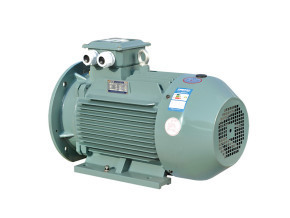
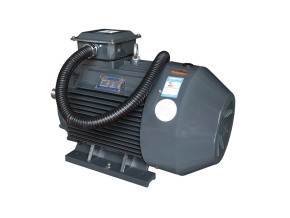
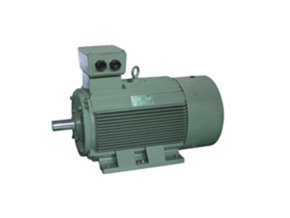
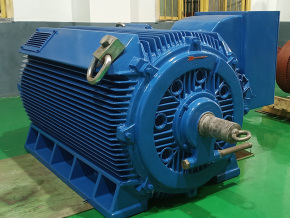
Permanent magnet motors (PMMs) have emerged as a pivotal technology in the transportation sector, particularly in various components and devices used across the industry. These motors utilize permanent magnets to generate a magnetic field, eliminating the need for traditional field windings. This fundamental design shift offers several advantages, making PMMs highly attractive for modern transportation applications.
One of the key benefits of permanent magnet motors is their high efficiency. Unlike traditional motors, which can waste considerable energy as heat due to resistance in the windings, PMMs operate at a higher efficiency level, often exceeding 90%. This increased efficiency is crucial in transportation, where energy conservation translates directly into cost savings and reduced environmental impact. With growing concerns over climate change and energy consumption, implementing PMMs can significantly contribute to greener transportation solutions.
Additionally, permanent magnet motors are known for their compact design and lightweight construction, making them ideal for applications where space and weight are critical factors. In transportation, this can be particularly beneficial in electric vehicles (EVs) and advanced rail systems, where lightweight components contribute to better performance and longer range. The reduced weight of PMMs facilitates the development of more efficient vehicles that can achieve higher speeds without compromising safety or comfort.
The versatility of permanent magnet motors also makes them suitable for a variety of transportation applications. From electric bicycles to high-speed trains, PMMs are increasingly being utilized in systems requiring reliable performance and responsiveness. Their design allows for rapid acceleration and deceleration, making them perfect for urban transit systems where stop-and-go movement is common. Moreover, PMMs can efficiently handle variable loads, providing a consistent performance regardless of operational demands.
Maintenance is another area where permanent magnet motors excel. Due to their design, they typically require less maintenance compared to traditional motors. The absence of brushes and commutators in PMMs minimizes wear and tear, leading to longer operational lifespans and reduced downtime for transportation equipment. This reliability is a significant advantage for transportation operators, as it translates to lower operational costs and improved service availability.
In conclusion, the adoption of permanent magnet motors in the transportation sector presents numerous advantages that align with global trends towards sustainability and efficiency. Their high efficiency, compact size, versatility, and low maintenance needs make PMMs an excellent choice for various transportation applications. As the industry continues to evolve, the role of permanent magnet motors is expected to expand, driving innovations that enhance the performance and environmental sustainability of transportation systems worldwide.
One of the key benefits of permanent magnet motors is their high efficiency. Unlike traditional motors, which can waste considerable energy as heat due to resistance in the windings, PMMs operate at a higher efficiency level, often exceeding 90%. This increased efficiency is crucial in transportation, where energy conservation translates directly into cost savings and reduced environmental impact. With growing concerns over climate change and energy consumption, implementing PMMs can significantly contribute to greener transportation solutions.
Additionally, permanent magnet motors are known for their compact design and lightweight construction, making them ideal for applications where space and weight are critical factors. In transportation, this can be particularly beneficial in electric vehicles (EVs) and advanced rail systems, where lightweight components contribute to better performance and longer range. The reduced weight of PMMs facilitates the development of more efficient vehicles that can achieve higher speeds without compromising safety or comfort.
The versatility of permanent magnet motors also makes them suitable for a variety of transportation applications. From electric bicycles to high-speed trains, PMMs are increasingly being utilized in systems requiring reliable performance and responsiveness. Their design allows for rapid acceleration and deceleration, making them perfect for urban transit systems where stop-and-go movement is common. Moreover, PMMs can efficiently handle variable loads, providing a consistent performance regardless of operational demands.
Maintenance is another area where permanent magnet motors excel. Due to their design, they typically require less maintenance compared to traditional motors. The absence of brushes and commutators in PMMs minimizes wear and tear, leading to longer operational lifespans and reduced downtime for transportation equipment. This reliability is a significant advantage for transportation operators, as it translates to lower operational costs and improved service availability.
In conclusion, the adoption of permanent magnet motors in the transportation sector presents numerous advantages that align with global trends towards sustainability and efficiency. Their high efficiency, compact size, versatility, and low maintenance needs make PMMs an excellent choice for various transportation applications. As the industry continues to evolve, the role of permanent magnet motors is expected to expand, driving innovations that enhance the performance and environmental sustainability of transportation systems worldwide.
recommend News

Wu Dejun: General Manager
Hu Pengbin: Marketing Director
Production site:
No.28, Huaiying Road, Gaoqiao Town, Changsha City, Hunan Province
Zip Code: 410145
Telephone:0731-86156236
ZhenHua Packing Machinery
Online consultation
Leave a message quickly and our experts will contact you
ZhenHua Packing Machinery
Business License

SAF Coolest v1.3.1.2 设置面板 GAGSD-ZGYF-JESSE-ZEA
无数据提示
Sorry, the current column is being updated, please look forward to it!
You can view other columns or returnHome Page