




Transform Your Transport Equipment with Industrial Permanent Magnet Motors
2026-07-07

Transform Your Transport Equipment with Industrial Permanent Magnet Motors
Introduction to Industrial Permanent Magnet Motors
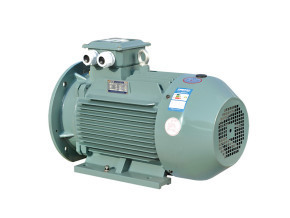
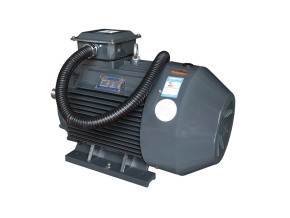
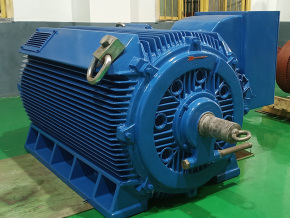
In the ever-evolving landscape of transportation technology, industrial permanent magnet motors have emerged as a game-changer. These motors utilize permanent magnets to produce a magnetic field, significantly enhancing their performance and efficiency compared to traditional electric motors. With a rising demand for energy-efficient solutions, industries are increasingly adopting these motors to transform their transport equipment.
The Benefits of Industrial Permanent Magnet Motors
1. Enhanced Energy Efficiency
One of the most significant advantages of industrial permanent magnet motors is their exceptional energy efficiency. These motors can achieve efficiencies of over 95%, compared to 70-90% for conventional motors. This high efficiency translates into lower energy costs and reduced carbon footprints, making them an environmentally friendly option for transport equipment.
2. Compact Design and Lightweight Construction
Due to the absence of additional components like field windings found in traditional motors, permanent magnet motors are generally more compact. This compact design not only reduces the overall weight of transport equipment but also allows for easier installation and integration into existing systems.
3. Increased Torque and Power Density
Permanent magnet motors deliver higher torque and power density, enabling transport equipment to achieve better acceleration and performance. This feature is particularly beneficial in applications requiring rapid response times, such as electric vehicles and high-speed trains.
4. Low Maintenance Requirements
Another compelling benefit is the reduced maintenance needs of permanent magnet motors. With fewer moving parts and no brushes to wear out, these motors require less frequent servicing, which can lead to lower operational costs over time.
5. Quiet Operation
Industrial permanent magnet motors operate quietly, significantly reducing noise pollution associated with traditional motors. This is a critical consideration in many transport applications, particularly in urban environments where noise regulations are stringent.
Applications of Industrial Permanent Magnet Motors in Transportation
1. Electric Vehicles (EVs)
The automotive sector is witnessing a shift towards electric vehicles, with permanent magnet motors playing a crucial role. Their efficiency and compact size make them ideal for powering electric cars, trucks, and buses, thereby contributing to the reduction of greenhouse gas emissions.
2. High-Speed Trains
High-speed trains utilize permanent magnet motors to achieve rapid acceleration and deceleration. The high torque and power density allow these trains to reach significant speeds while maintaining energy efficiency, making them a preferred choice for modern rail systems.
3. Electric Bicycles and Scooters
The demand for electric bicycles and scooters has surged in urban areas, and permanent magnet motors are at the heart of this revolution. Their lightweight design and high efficiency enable efficient movement in congested cities, offering an eco-friendly alternative to traditional combustion engines.
4. Industrial Automation and Robotics
In industrial settings, permanent magnet motors are utilized in robotic systems for precise movements and operations. Their ability to provide consistent torque and speed makes them suitable for various applications, from assembly lines to automated guided vehicles (AGVs).
5. Marine and Aviation Applications
Permanent magnet motors are also making inroads into marine and aviation sectors. Their lightweight and efficient characteristics contribute to fuel savings and enhanced performance in electric ships and aircraft.
Challenges and Considerations
While industrial permanent magnet motors offer numerous advantages, certain challenges must be addressed:
1. Cost of Materials
The production of permanent magnets often involves rare-earth materials, which can be costly. This expense can impact the overall cost of the motors, making it a consideration for manufacturers and end-users.
2. Heat Dissipation
Permanent magnet motors may experience overheating under high loads, requiring effective cooling solutions to maintain performance and longevity. This can add complexity to the motor design and overall system integration.
3. Dependency on Rare Earth Elements
The reliance on rare earth materials raises concerns about supply chain sustainability. Manufacturers are exploring alternatives and innovations to reduce dependence on these materials while maintaining performance.
The Future of Industrial Permanent Magnet Motors in Transport Equipment
As technology continues to advance, the future of industrial permanent magnet motors looks promising. Innovations are expected to focus on:
1. Improved Materials and Designs
Researchers are developing alternative materials to reduce costs and enhance the performance of permanent magnet motors. Advances in manufacturing techniques will also lead to more efficient motor designs.
2. Integration with Smart Technologies
The integration of smart technologies will enable better monitoring and control of permanent magnet motors. IoT applications can provide real-time data on performance and maintenance needs, enhancing operational efficiency.
3. Expanding Applications
The applications of permanent magnet motors are likely to expand into new sectors, including aerospace, robotics, and renewable energy systems. This diversification will drive further innovation and adoption.
Conclusion
In summary, industrial permanent magnet motors represent a significant advancement in transport technology. With their unmatched energy efficiency, compact design, and low maintenance needs, they are transforming the way we approach transportation equipment. As industries continue to seek sustainable solutions, these motors will play a pivotal role in shaping the future of transportation.
Frequently Asked Questions (FAQs)
1. What are industrial permanent magnet motors?
Industrial permanent magnet motors are electric motors that use permanent magnets to create a magnetic field, leading to enhanced efficiency and performance compared to traditional motors.
2. How do permanent magnet motors improve energy efficiency?
These motors can achieve efficiencies of over 95%, significantly reducing energy consumption and operational costs.
3. What industries benefit from using permanent magnet motors?
Industries such as automotive, rail, marine, and robotics benefit greatly from the efficiency and performance improvements offered by permanent magnet motors.
4. Are there any downsides to using permanent magnet motors?
Yes, challenges like the cost of materials and heat dissipation need to be addressed to ensure optimal performance.
5. What is the future of permanent magnet motors in transport equipment?
The future includes improved materials, integration with smart technologies, and expanding applications across various sectors.
recommend News

Wu Dejun: General Manager
Hu Pengbin: Marketing Director
Production site:
No.28, Huaiying Road, Gaoqiao Town, Changsha City, Hunan Province
Zip Code: 410145
Telephone:0731-86156236
ZhenHua Packing Machinery
Online consultation
Leave a message quickly and our experts will contact you
ZhenHua Packing Machinery
Business License

SAF Coolest v1.3.1.2 设置面板 GAGSD-ZGYF-JESSE-ZEA
无数据提示
Sorry, the current column is being updated, please look forward to it!
You can view other columns or returnHome Page