




How Rail Transit Motors Drive the Success of High-Speed Rail
2026-07-03

How Rail Transit Motors Drive the Success of High-Speed Rail
Table of Contents
- 1. Introduction to High-Speed Rail and Its Importance
- 2. Understanding Rail Transit Motors
- 3. Types of Rail Transit Motors Used in High-Speed Rail
- 4. Advanced Motor Technology in High-Speed Rail Systems
- 5. Efficiency and Performance of High-Speed Rail Motors
- 6. Safety Features of Rail Transit Motors
- 7. Environmental Impact of High-Speed Rail Motors
- 8. The Future of Rail Transit Motors and High-Speed Rail
- 9. Frequently Asked Questions
- 10. Conclusion
1. Introduction to High-Speed Rail and Its Importance
High-speed rail (HSR) has emerged as a transformative force in the transportation sector. It connects cities efficiently while minimizing environmental impact and enhancing commuter experience. The technological backbone of high-speed rail systems is comprised of advanced rail transit motors that play a pivotal role in ensuring speed, safety, and reliability. Understanding how these motors operate provides insight into their undeniable impact on the success of modern rail systems.
2. Understanding Rail Transit Motors
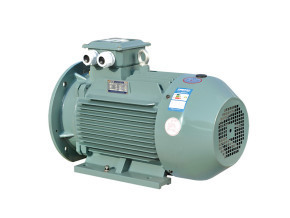
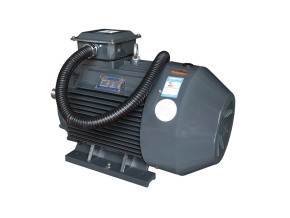
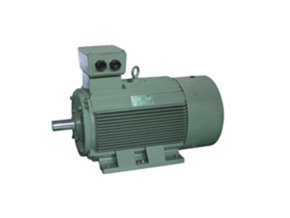
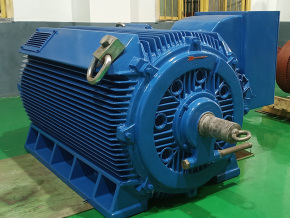
Rail transit motors are specialized electric motors designed to operate trains effectively at high velocities. They serve as the driving force behind the train's movement, converting electrical energy into mechanical energy. This conversion is critical for achieving the necessary acceleration and maintaining high speeds over long distances. The performance of these motors directly influences the speed, efficiency, and overall reliability of high-speed rail systems.
2.1 Role of Rail Transit Motors in High-Speed Rail
The primary function of rail transit motors in high-speed applications is to provide the necessary tractive effort to propel the train forward. Efficient motors reduce energy consumption, enhance operational efficiency, and minimize wear and tear on moving parts, thereby extending the lifespan of the trains.
3. Types of Rail Transit Motors Used in High-Speed Rail
There are several types of motors used in high-speed rail systems, each with distinct advantages and applications.
3.1 AC Induction Motors
AC induction motors are widely used in high-speed rail due to their robustness and ability to deliver high torque at various speeds. These motors are known for their reliability and minimal maintenance requirements, making them ideal for continuous operation in high-speed scenarios.
3.2 Synchronous Motors
Synchronous motors provide high efficiency and performance at elevated speeds. These motors are capable of maintaining synchronism with the supply current, allowing for better control and stability during operation. Their design allows for integration into advanced train control systems, leading to improved operational dynamics.
3.3 Permanent Magnet Motors
Permanent magnet motors are gaining popularity in the high-speed rail sector due to their compact size and high power density. They offer excellent efficiency and performance, particularly in regenerative braking applications, which is essential for energy conservation in high-speed rail systems.
4. Advanced Motor Technology in High-Speed Rail Systems
The evolution of rail transit motors has paralleled advancements in technology. Modern high-speed rail systems incorporate cutting-edge motor designs that enhance performance, efficiency, and safety.
4.1 Integration with Intelligent Control Systems
Rail transit motors now integrate with intelligent control systems that optimize performance based on real-time data. These systems monitor various parameters, such as speed and acceleration, ensuring that the motors operate at peak efficiency while enhancing passenger comfort and safety.
4.2 Use of Lightweight Materials
In high-speed rail applications, reducing weight is crucial for achieving higher speeds. Modern motors utilize lightweight materials, which not only decrease the overall weight of the train but also enhance energy efficiency by requiring less power to operate.
4.3 Enhanced Cooling Solutions
High-speed operation generates significant heat, which can reduce motor efficiency. Advanced cooling solutions, including liquid cooling systems and improved airflow designs, maintain optimal operating temperatures, thereby enhancing the reliability and longevity of rail transit motors.
5. Efficiency and Performance of High-Speed Rail Motors
The performance of rail transit motors is measured through several key metrics, including energy efficiency, power output, and reliability under varying operating conditions.
5.1 Energy Efficiency
Energy efficiency is a critical aspect of high-speed rail systems. Modern rail transit motors achieve high levels of efficiency, often exceeding 90%. This translates to lower operational costs and reduced environmental impact, as less energy is consumed during travel.
5.2 High Power Output
High-speed rail motors must deliver substantial power output to achieve and maintain high speeds. Advanced motor designs enable these systems to provide the necessary power while minimizing weight and maximizing efficiency.
5.3 Reliability and Maintenance
The reliability of rail transit motors directly impacts the overall performance of high-speed rail systems. Regular maintenance is essential to ensuring that motors operate efficiently and safely. The development of self-diagnostic systems plays a vital role in predicting maintenance needs, reducing downtime, and extending the service life of the motors.
6. Safety Features of Rail Transit Motors
Safety is paramount in high-speed rail operations. Rail transit motors are equipped with numerous safety features designed to prevent accidents and enhance overall operational safety.
6.1 Overload Protection
Modern rail transit motors incorporate overload protection systems that prevent damage during excessive load conditions. These systems automatically disconnect the motor from the power source when thresholds are exceeded, ensuring the safety of both passengers and equipment.
6.2 Emergency Braking Systems
Emergency braking systems are critical for high-speed rail safety. Rail transit motors are designed to cooperate seamlessly with these systems, enabling rapid deceleration in emergencies. Enhanced regenerative braking systems also contribute to safety by converting kinetic energy back into electrical energy, reducing wear on mechanical brakes.
7. Environmental Impact of High-Speed Rail Motors
High-speed rail systems are increasingly recognized for their environmental benefits. Rail transit motors play an essential role in promoting sustainability within the transportation sector.
7.1 Reduced Carbon Footprint
By facilitating efficient mass transit, high-speed rail systems significantly reduce per-passenger carbon emissions compared to road and air travel. The energy efficiency of modern rail transit motors further contributes to this reduction, making them a greener transportation option.
7.2 Promotion of Renewable Energy
Many high-speed rail systems are exploring the integration of renewable energy sources, such as solar and wind, into their operations. Rail transit motors can be optimized to utilize energy from these sources, enhancing sustainability and reducing dependency on fossil fuels.
8. The Future of Rail Transit Motors and High-Speed Rail
As the demand for high-speed rail continues to grow globally, the future of rail transit motors looks promising.
8.1 Innovations in Motor Technology
Continuous research and development in motor technology will lead to innovative designs that are lighter, more efficient, and more powerful. The advent of quantum computing and artificial intelligence is likely to revolutionize the design and operation of rail transit motors, creating smarter systems that optimize performance in real time.
8.2 Increased Global Adoption of High-Speed Rail
As countries prioritize sustainable transportation infrastructure, the global adoption of high-speed rail systems is expected to rise. This growth will drive advancements in rail transit motors, resulting in enhanced technologies that support the demands of modern transportation.
9. Frequently Asked Questions
9.1 What are rail transit motors?
Rail transit motors are electric motors specifically designed to power trains, converting electrical energy into mechanical energy to achieve movement.
9.2 How do rail transit motors impact the efficiency of high-speed rail?
Rail transit motors significantly enhance the efficiency of high-speed rail by providing high torque and power output while minimizing energy consumption.
9.3 What types of motors are used in high-speed rail systems?
High-speed rail systems commonly use AC induction motors, synchronous motors, and permanent magnet motors, each offering unique advantages.
9.4 How do modern rail transit motors ensure safety?
Modern rail transit motors are equipped with various safety features, including overload protection and emergency braking systems, to enhance operational safety.
9.5 What is the environmental impact of high-speed rail motors?
High-speed rail motors contribute to reducing the carbon footprint of transportation systems and promote the use of renewable energy sources, making them a sustainable choice for mass transit.
10. Conclusion
Rail transit motors are indispensable components of high-speed rail systems, driving not only the performance and efficiency of these trains but also the future of sustainable transportation. As advancements continue in motor technology, efficiency, and safety features, the impact of these motors will shape the future of high-speed rail, making it a pivotal player in reducing carbon emissions and promoting environmentally friendly travel options. Embracing these innovations will ensure that high-speed rail remains at the forefront of modern transportation for decades to come.
Previous Page:
recommend News

Wu Dejun: General Manager
Hu Pengbin: Marketing Director
Production site:
No.28, Huaiying Road, Gaoqiao Town, Changsha City, Hunan Province
Zip Code: 410145
Telephone:0731-86156236
ZhenHua Packing Machinery
Online consultation
Leave a message quickly and our experts will contact you
ZhenHua Packing Machinery
Business License

SAF Coolest v1.3.1.2 设置面板 GAGSD-ZGYF-JESSE-ZEA
无数据提示
Sorry, the current column is being updated, please look forward to it!
You can view other columns or returnHome Page