




Understanding Subway Motors: Key Components of Urban Transit Systems
2026-07-01

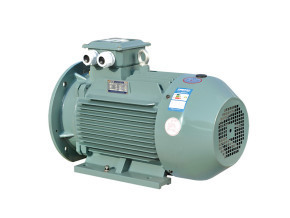
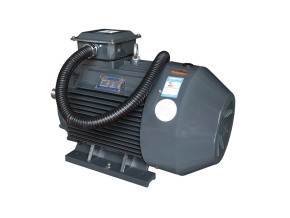
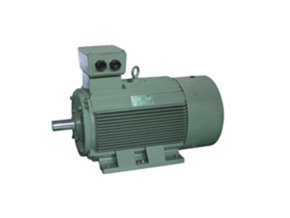
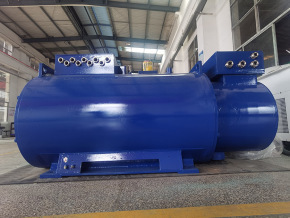
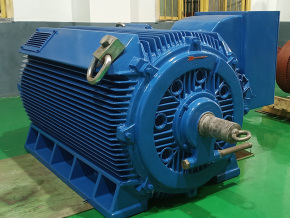
Subway motors are specialized electric motors designed to power trains in subway systems, ensuring that they operate smoothly and efficiently. These motors are vital for the overall functioning of urban transit networks, as they directly influence the speed, reliability, and safety of subway systems. Understanding the intricacies of subway motors can provide valuable insights into how modern transportation systems are designed and maintained.
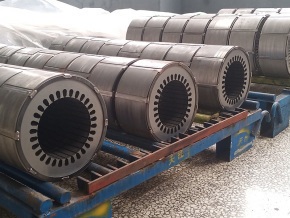
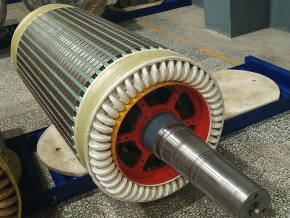
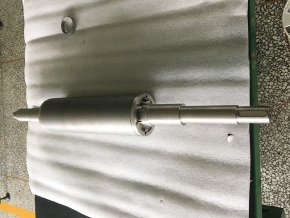
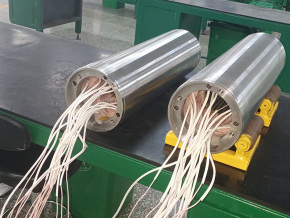
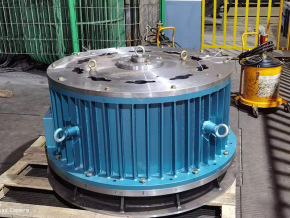
At the heart of any subway motor is its drive system, which typically includes components like traction motors, gearboxes, and control systems. Traction motors are responsible for converting electrical energy into mechanical energy, enabling the train to move. These motors are engineered to provide high torque at low speeds, allowing quick acceleration and deceleration, which is essential in busy urban environments.
One of the key features of subway motors is their design for energy efficiency. Many modern subway systems are increasingly adopting regenerative braking technology, which allows trains to recover energy during braking and feed it back into the power supply. This not only reduces energy consumption but also minimizes the overall operational costs of subway systems.
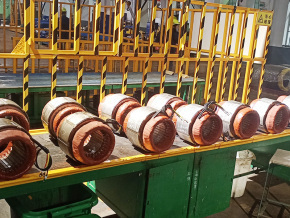
Moreover, the materials used in subway motors are specifically chosen to withstand harsh environments. Given that these motors operate under varying temperatures and conditions, durability is a significant consideration. Components are often made from high-strength alloys and insulating materials that can endure the demands of constant use and environmental stressors.
In addition to the mechanical aspects, the maintenance of subway motors is crucial for ensuring their longevity and reliability. Routine inspections and preventive maintenance are vital practices that help identify potential issues before they lead to more significant problems. Key maintenance tasks may include checking electrical connections, testing motor insulation, and ensuring that cooling systems are functioning correctly.
Subway motors also play a pivotal role in enhancing passenger safety. Reliable motors contribute to smooth operations, reducing the risks associated with abrupt stops or mechanical failures. Furthermore, advancements in technology have led to the implementation of sophisticated monitoring systems that provide real-time data about the performance of subway motors, allowing for proactive maintenance and timely interventions.
In summary, subway motors are essential components of urban transit systems, providing the necessary power for trains to operate efficiently and safely. Understanding their design, functionality, and maintenance needs is crucial for anyone involved in the transportation industry. By prioritizing the efficiency and reliability of subway motors, transit authorities can improve the overall quality of public transportation, benefiting millions of commuters worldwide.
At the heart of any subway motor is its drive system, which typically includes components like traction motors, gearboxes, and control systems. Traction motors are responsible for converting electrical energy into mechanical energy, enabling the train to move. These motors are engineered to provide high torque at low speeds, allowing quick acceleration and deceleration, which is essential in busy urban environments.
One of the key features of subway motors is their design for energy efficiency. Many modern subway systems are increasingly adopting regenerative braking technology, which allows trains to recover energy during braking and feed it back into the power supply. This not only reduces energy consumption but also minimizes the overall operational costs of subway systems.
Moreover, the materials used in subway motors are specifically chosen to withstand harsh environments. Given that these motors operate under varying temperatures and conditions, durability is a significant consideration. Components are often made from high-strength alloys and insulating materials that can endure the demands of constant use and environmental stressors.
In addition to the mechanical aspects, the maintenance of subway motors is crucial for ensuring their longevity and reliability. Routine inspections and preventive maintenance are vital practices that help identify potential issues before they lead to more significant problems. Key maintenance tasks may include checking electrical connections, testing motor insulation, and ensuring that cooling systems are functioning correctly.
Subway motors also play a pivotal role in enhancing passenger safety. Reliable motors contribute to smooth operations, reducing the risks associated with abrupt stops or mechanical failures. Furthermore, advancements in technology have led to the implementation of sophisticated monitoring systems that provide real-time data about the performance of subway motors, allowing for proactive maintenance and timely interventions.
In summary, subway motors are essential components of urban transit systems, providing the necessary power for trains to operate efficiently and safely. Understanding their design, functionality, and maintenance needs is crucial for anyone involved in the transportation industry. By prioritizing the efficiency and reliability of subway motors, transit authorities can improve the overall quality of public transportation, benefiting millions of commuters worldwide.
Previous Page:
recommend News

Wu Dejun: General Manager
Hu Pengbin: Marketing Director
Production site:
No.28, Huaiying Road, Gaoqiao Town, Changsha City, Hunan Province
Zip Code: 410145
Telephone:0731-86156236
ZhenHua Packing Machinery
Online consultation
Leave a message quickly and our experts will contact you
ZhenHua Packing Machinery
Business License

SAF Coolest v1.3.1.2 设置面板 GAGSD-ZGYF-JESSE-ZEA
无数据提示
Sorry, the current column is being updated, please look forward to it!
You can view other columns or returnHome Page