




Understanding the Functionality of Industrial Motors in Transport Components
2026-06-29

Understanding the Functionality of Industrial Motors in Transport Components
Table of Contents
- Introduction to Industrial Motors in Transportation
- What Are Industrial Motors?
- Types of Industrial Motors Used in Transport
- Why Industrial Motors Are Crucial in Transportation
- Key Applications of Industrial Motors in Transport
- Choosing the Right Industrial Motor for Transport Components
- Maintenance of Industrial Motors in Transportation Systems
- The Future of Industrial Motors in Transportation
- Conclusion
- Frequently Asked Questions
Introduction to Industrial Motors in Transportation
In today's fast-paced world, **industrial motors** play an indispensable role in the transportation sector. From powering heavy machinery to facilitating quick and efficient transit solutions, these motors provide the necessary force to ensure smooth operations. Understanding the functionality of industrial motors in transport components offers insight into how they can enhance efficiency, safety, and overall performance.
Industrial motors convert electrical energy into mechanical energy, enabling a variety of transport mechanisms to function seamlessly. Their application is widespread, from **automated conveyor systems** in logistics to the motors found in **electric vehicles**. This article will explore various aspects of industrial motors, their types, applications, and significance in the transportation industry.
What Are Industrial Motors?
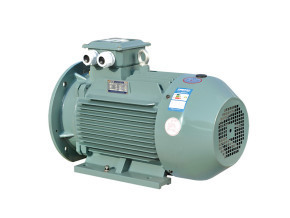
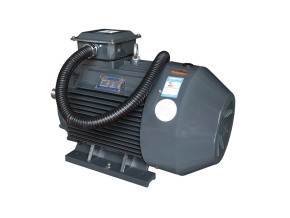
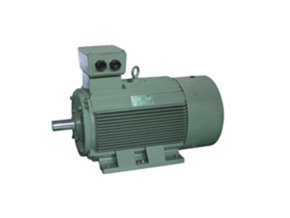
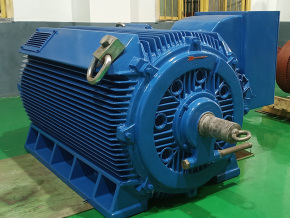
Industrial motors are robust devices designed to convert electrical energy into mechanical energy, primarily for **industrial applications**. They are integral to various machines, equipment, and systems across numerous industries, including transportation.
These motors are categorized into several types based on their design, operation, and application:
- **AC Motors**: Alternating Current (AC) motors are commonly used in various industrial settings. They are efficient, durable, and suitable for high-speed applications.
- **DC Motors**: Direct Current (DC) motors are ideal for applications requiring variable speed control. They offer precise speed regulation and are often used in electric vehicles.
- **Stepper Motors**: These motors provide precise control of position and speed, making them ideal for automation and robotics applications in transport systems.
- **Servo Motors**: Known for their high performance and accuracy, servo motors are often used in applications requiring precise control of angular or linear position.
Understanding these fundamental categories helps in identifying the right motor for specific transport-related applications.
Types of Industrial Motors Used in Transport
In transportation, industrial motors come in various types, each designed to cater to specific operational needs. The choice of motor affects efficiency, speed, power consumption, and overall performance.
AC Motors in Transportation
AC motors are widely utilized in transportation due to their efficiency and durability. They are commonly found in systems such as:
- **Elevators and Escalators**: AC motors ensure smooth and reliable operation.
- **Conveyor Systems**: They power conveyor belts in warehouses and factories for material handling.
- **Electric Trains**: Modern electric trains utilize AC motors for propulsion, enhancing speed and efficiency.
DC Motors in Electric Vehicles
DC motors are pivotal in the burgeoning electric vehicle market. They provide the necessary torque for acceleration and allow for:
- **Regenerative Braking**: This feature allows the motor to act as a generator during braking, converting kinetic energy back into electrical energy.
- **Variable Speed Control**: DC motors enable precise control over the vehicle's speed, making them perfect for urban commuting.
Stepper Motors for Precision Operations
Stepper motors excel in applications requiring precise control, such as:
- **Robotic Systems**: Used in automated vehicles for precise navigation.
- **Industrial Automation**: Stepper motors manage the positioning of components on assembly lines.
Why Industrial Motors Are Crucial in Transportation
Industrial motors are integral to enhancing efficiency within transportation systems. Their importance can be highlighted through the following aspects:
Enhancing Efficiency
By providing consistent and reliable power, industrial motors significantly enhance the efficiency of transportation systems. They enable faster operation of machinery, reducing downtime and increasing productivity.
Improving Safety
Safety is paramount in transportation. Industrial motors contribute to safety measures by ensuring that systems operate correctly and efficiently. For example, proper motor function in elevators and escalators prevents accidents and malfunctions, fostering a secure environment for users.
Environmental Impact
The shift towards electric vehicles and automated transport systems is driven largely by the need for sustainable solutions. Industrial motors, especially electric options, contribute to this transition by reducing carbon emissions and improving energy efficiency.
Key Applications of Industrial Motors in Transport
Industrial motors find applications in various transport components, significantly improving operational capabilities.
Heavy Machinery
In the construction and logistics sectors, industrial motors power essential machinery such as cranes, forklifts, and excavators. These motors enable high lifting capacities and efficient material handling, crucial for project completion.
Automated Transport Systems
Automated transport systems, including conveyor belts and automated guided vehicles (AGVs), rely heavily on industrial motors. These systems enhance warehouse operations by streamlining the movement of goods.
Electric Buses and Trams
Urban public transport systems increasingly employ electric buses and trams powered by industrial motors. These vehicles offer a quieter, cleaner alternative to traditional diesel-powered options, making them environmentally friendly.
Choosing the Right Industrial Motor for Transport Components
Selecting the appropriate industrial motor for transportation applications requires careful consideration of several factors:
Power Requirements
Evaluate the power needs of the transport system. High-power motors are necessary for heavy machinery, while medium or low-power motors may suffice for lighter applications.
Speed and Torque
Determine the required speed and torque for the application. For instance, DC motors are preferred in applications requiring variable speed and high torque.
Operating Environment
Consider environmental factors such as temperature, humidity, and exposure to dust or water. Selecting a motor designed for specific environmental conditions ensures longevity and reliability.
Cost and Efficiency
While initial costs are important, consider long-term efficiency and maintenance costs. Investing in high-quality motors can save money in the long run through reduced energy consumption and lower maintenance needs.
Maintenance of Industrial Motors in Transportation Systems
Regular maintenance of industrial motors is critical for ensuring longevity and optimal performance. Key maintenance practices include:
Routine Inspection
Conduct regular inspections to identify any signs of wear, overheating, or abnormal noise. Early detection prevents major failures and costly downtime.
Lubrication
Proper lubrication minimizes friction and wear on motor components. Ensure lubrication aligns with manufacturer guidelines for optimal performance.
Cleaning
Keep motors clean from dust and debris to prevent overheating and ensure efficient operation. Regular cleaning can extend the lifespan of industrial motors significantly.
The Future of Industrial Motors in Transportation
As technology advances, the role of industrial motors in transportation will continue to evolve. Key trends include:
Increased Automation
With the rise of IoT and AI, more transportation systems will become automated. Industrial motors will be at the forefront of this revolution, enhancing efficiency and reducing labor costs.
Enhanced Energy Efficiency
The future will see a greater emphasis on energy-efficient motors. Innovations in motor design will lead to lower energy consumption and reduced environmental impact.
Integration of Renewable Energy Sources
As industries shift towards sustainability, integrating renewable energy sources with industrial motors will become increasingly common. Solar and wind energy can power electric motors, reducing dependency on fossil fuels.
Conclusion
Understanding the functionality of industrial motors in transport components is essential for optimizing operations and achieving greater efficiency in the transportation sector. These motors are pivotal in driving innovation and enhancing safety, making them indispensable across various applications. As technology progresses, the role of industrial motors will continue to expand, paving the way for a more efficient and sustainable future in transportation.
Frequently Asked Questions
1. What is the main function of industrial motors in transportation?
Industrial motors convert electrical energy into mechanical energy, powering various transport systems and machinery, enhancing efficiency, and ensuring safe operations.
2. What types of industrial motors are used in electric vehicles?
Electric vehicles primarily use DC motors due to their ability to provide variable speed and high torque, essential for efficient performance.
3. How can I maintain industrial motors in transportation systems?
Regular inspections, proper lubrication, and routine cleaning are crucial for maintaining industrial motors and preventing failures.
4. Why are AC motors popular in transport applications?
AC motors are widely used due to their efficiency, durability, and suitability for high-speed applications, making them ideal for systems like elevators and electric trains.
5. What trends are shaping the future of industrial motors in transportation?
Trends include increased automation, enhanced energy efficiency, and the integration of renewable energy sources into motor systems, driving sustainable practices in transportation.
By understanding and leveraging the capabilities of industrial motors, businesses can optimize their transportation systems, resulting in improved efficiency, safety, and sustainability.
recommend News

Wu Dejun: General Manager
Hu Pengbin: Marketing Director
Production site:
No.28, Huaiying Road, Gaoqiao Town, Changsha City, Hunan Province
Zip Code: 410145
Telephone:0731-86156236
ZhenHua Packing Machinery
Online consultation
Leave a message quickly and our experts will contact you
ZhenHua Packing Machinery
Business License

SAF Coolest v1.3.1.2 设置面板 GAGSD-ZGYF-JESSE-ZEA
无数据提示
Sorry, the current column is being updated, please look forward to it!
You can view other columns or returnHome Page