




Unlocking the Potential of High-Efficiency Motors in Transportation
2026-06-27

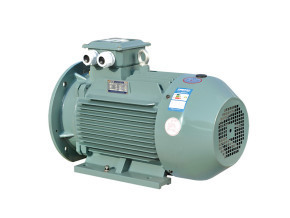
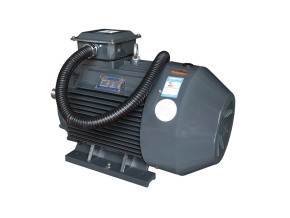
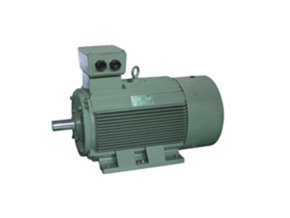
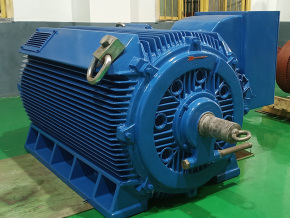
High-efficiency motors (HEMs) are designed to minimize energy losses during operation, making them a pivotal component in improving the overall energy efficiency of various transportation systems. Unlike traditional motors, HEMs utilize advanced materials and innovative design techniques to reduce electrical losses, heat generation, and mechanical friction. As a result, they not only consume less energy but also contribute to lower greenhouse gas emissions, aligning with global sustainability goals.
In the transportation industry, the integration of high-efficiency motors can lead to noticeable improvements in performance across various applications, including electric vehicles (EVs), trains, and other forms of public and freight transport. For instance, in electric vehicles, high-efficiency motors can enhance the vehicle's range per battery charge, ultimately providing a more sustainable and cost-effective transportation solution. Additionally, these motors are commonly used in hybrid systems, where they work in conjunction with internal combustion engines to optimize fuel consumption.
One of the primary benefits of high-efficiency motors is their ability to operate at a higher power factor, which translates to enhanced performance and reduced electricity costs. This is particularly crucial in transportation systems where operational uptime and efficiency are paramount. By employing high-efficiency motors, companies can experience lower operational costs while meeting regulatory standards for energy consumption and emissions.
Moreover, the durability and reliability of high-efficiency motors are significant. They are engineered to have a longer operational lifespan, which not only reduces maintenance costs but also minimizes downtime—a critical factor in the transportation sector where delays can have significant economic implications.
As the world moves towards electrification and sustainable practices, high-efficiency motors are increasingly becoming a standard in the transportation landscape. Their ability to provide improved energy efficiency, reduced operational costs, and lower environmental impact is driving their adoption across various segments of the industry.
In conclusion, high-efficiency motors are a vital technology that can greatly enhance the performance and sustainability of transportation systems. By understanding and adopting this technology, professionals in the transportation sector can contribute to a more efficient and environmentally friendly future. Organizations looking to innovate should consider the integration of high-efficiency motors into their systems to stay competitive and meet the demand for sustainable transportation solutions.
In the transportation industry, the integration of high-efficiency motors can lead to noticeable improvements in performance across various applications, including electric vehicles (EVs), trains, and other forms of public and freight transport. For instance, in electric vehicles, high-efficiency motors can enhance the vehicle's range per battery charge, ultimately providing a more sustainable and cost-effective transportation solution. Additionally, these motors are commonly used in hybrid systems, where they work in conjunction with internal combustion engines to optimize fuel consumption.
One of the primary benefits of high-efficiency motors is their ability to operate at a higher power factor, which translates to enhanced performance and reduced electricity costs. This is particularly crucial in transportation systems where operational uptime and efficiency are paramount. By employing high-efficiency motors, companies can experience lower operational costs while meeting regulatory standards for energy consumption and emissions.
Moreover, the durability and reliability of high-efficiency motors are significant. They are engineered to have a longer operational lifespan, which not only reduces maintenance costs but also minimizes downtime—a critical factor in the transportation sector where delays can have significant economic implications.
As the world moves towards electrification and sustainable practices, high-efficiency motors are increasingly becoming a standard in the transportation landscape. Their ability to provide improved energy efficiency, reduced operational costs, and lower environmental impact is driving their adoption across various segments of the industry.
In conclusion, high-efficiency motors are a vital technology that can greatly enhance the performance and sustainability of transportation systems. By understanding and adopting this technology, professionals in the transportation sector can contribute to a more efficient and environmentally friendly future. Organizations looking to innovate should consider the integration of high-efficiency motors into their systems to stay competitive and meet the demand for sustainable transportation solutions.
recommend News

Wu Dejun: General Manager
Hu Pengbin: Marketing Director
Production site:
No.28, Huaiying Road, Gaoqiao Town, Changsha City, Hunan Province
Zip Code: 410145
Telephone:0731-86156236
ZhenHua Packing Machinery
Online consultation
Leave a message quickly and our experts will contact you
ZhenHua Packing Machinery
Business License

SAF Coolest v1.3.1.2 设置面板 GAGSD-ZGYF-JESSE-ZEA
无数据提示
Sorry, the current column is being updated, please look forward to it!
You can view other columns or returnHome Page