




The Impact of Medium-Voltage DC Motors on the Transportation Sector's Sustainability
2026-06-25

The Impact of Medium-Voltage DC Motors on the Transportation Sector's Sustainability
Table of Contents
- 1. Introduction to Medium-Voltage DC Motors
- 2. What Are Medium-Voltage DC Motors?
- 3. Importance of Medium-Voltage DC Motors in Transportation
- 4. Benefits of Medium-Voltage DC Motors for Sustainability
- 5. Applications in Various Transportation Modes
- 6. Future Trends and Innovations
- 7. Challenges in Implementing Medium-Voltage DC Motors
- 8. Conclusion
- 9. Frequently Asked Questions
1. Introduction to Medium-Voltage DC Motors
In recent years, the transportation sector has faced immense pressure to become more sustainable. As the world increasingly acknowledges the adverse effects of fossil fuel consumption on the environment, alternative solutions are being sought. Among these solutions, **medium-voltage DC motors** have emerged as a critical technology capable of driving the transformation toward a more sustainable transportation system. This article aims to provide an in-depth exploration of the impact of medium-voltage DC motors on sustainability within the transportation sector, highlighting their significance and potential.
2. What Are Medium-Voltage DC Motors?
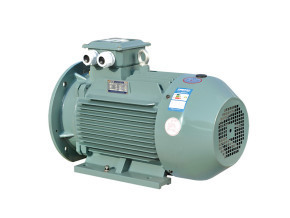
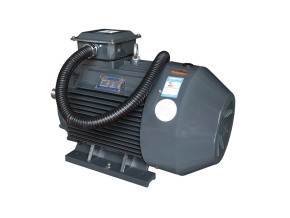
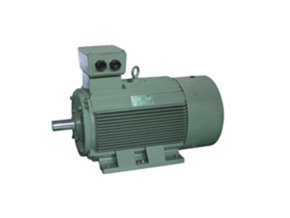
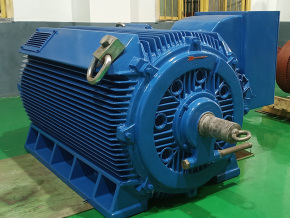
Medium-voltage DC motors are electric motors that operate at voltage levels typically ranging from **1 kV to 35 kV**. Unlike traditional low-voltage motors, medium-voltage motors are designed to handle more significant power requirements, making them suitable for various industrial applications, including those in the transportation sector. These motors utilize direct current (DC) technology, which allows for **efficient energy conversion** and improved performance in demanding conditions.
2.1 Key Features of Medium-Voltage DC Motors
- **High Efficiency:** Medium-voltage DC motors boast high efficiency rates, often exceeding **90%**, which significantly reduces energy consumption.
- **Robust Design:** Built to withstand harsh environmental conditions, these motors feature durable construction that ensures longevity and reliability.
- **Variable Speed Control:** Medium-voltage DC motors offer excellent speed control options, allowing for precise operation in various applications.
3. Importance of Medium-Voltage DC Motors in Transportation
The importance of medium-voltage DC motors in the transportation sector cannot be overstated. These motors play a vital role in enhancing energy efficiency, reducing emissions, and facilitating the transition to **clean energy alternatives**. By enabling electric-powered vehicles, mass transit systems, and other transportation modalities, medium-voltage DC motors contribute to a substantial decrease in greenhouse gas emissions, which is essential for combating climate change.
3.1 Supporting Electrification of Transport
As the world shifts toward electrification, medium-voltage DC motors serve as a cornerstone for electric vehicle (EV) technology. Their high power capacity and efficiency make them ideal for powering large vehicles such as buses, trains, and freight trucks. This transition not only reduces reliance on fossil fuels but also promotes the use of renewable energy sources, leading to a significant reduction in the carbon footprint associated with transportation.
4. Benefits of Medium-Voltage DC Motors for Sustainability
Adopting medium-voltage DC motors in transportation has far-reaching benefits that extend beyond energy efficiency. Here, we outline some of the most notable advantages:
4.1 Reduced Carbon Emissions
By replacing traditional diesel engines with medium-voltage DC motors, transportation systems can significantly reduce carbon emissions. These motors operate quietly and cleanly, aligning with global initiatives aimed at minimizing air pollution.
4.2 Energy Efficiency
Medium-voltage DC motors are designed for optimal energy utilization. Their high efficiency translates into lower operational costs for transport operators and reduced electricity consumption—an essential factor in sustainable development.
4.3 Compatibility with Renewable Energy
These motors can seamlessly integrate with renewable energy sources like wind and solar power. This compatibility enables transportation systems to operate more sustainably, relying on clean energy rather than traditional fossil fuels.
5. Applications in Various Transportation Modes
Medium-voltage DC motors find applications across various transportation modes, each benefiting from their unique attributes.
5.1 Electric Buses
Electric buses equipped with medium-voltage DC motors offer a cleaner alternative to diesel-powered buses, providing public transport systems with an efficient and environmentally friendly option.
5.2 Trains and Rail Systems
In rail transport, medium-voltage DC motors are used to drive electric locomotives and high-speed trains, enhancing the system's efficiency and reducing operating costs.
5.3 Freight and Cargo Transportation
Freight trucks powered by medium-voltage DC motors can achieve significant cargo capacity while maintaining energy efficiency, making them a viable option for logistics companies focused on sustainability.
6. Future Trends and Innovations
The future of medium-voltage DC motors in transportation is bright, with several trends and innovations on the horizon.
6.1 Advancements in Battery Technology
The evolution of battery technology is expected to enhance the performance of medium-voltage DC motors, leading to longer ranges and shorter charging times for electric vehicles.
6.2 Integration with Smart Grids
As smart grids become more prevalent, medium-voltage DC motors will play a crucial role in optimizing energy distribution and consumption within transportation networks, allowing for improved efficiency and sustainability.
6.3 Development of Autonomous Vehicles
The rise of autonomous vehicles presents an exciting opportunity for medium-voltage DC motors. Their efficiency and reliability make them ideal for powering self-driving technology, furthering the sustainability agenda within the transportation sector.
7. Challenges in Implementing Medium-Voltage DC Motors
Despite the many benefits, several challenges exist in implementing medium-voltage DC motors in transportation.
7.1 Initial Investment Costs
The high upfront costs associated with purchasing and installing medium-voltage DC motors can deter transportation operators from making the switch. However, the long-term savings in operational costs may justify this investment.
7.2 Infrastructure Development
The need for adequate charging infrastructure and maintenance facilities can pose challenges for widespread adoption. Governments and private sectors must collaborate to develop the necessary infrastructure to support this transition.
7.3 Technological Adaptation
Transportation operators may face challenges in adapting existing technologies and workflows to accommodate medium-voltage DC motors. Training and support will be essential in overcoming these barriers.
8. Conclusion
The integration of **medium-voltage DC motors** into the transportation sector represents a significant step toward achieving sustainability. By reducing carbon emissions, enhancing energy efficiency, and supporting the electrification of transport, these motors are essential in transforming the way we think about mobility. As innovations continue to emerge and challenges are addressed, the potential for medium-voltage DC motors to reshape the future of transportation is immense. Through cooperative efforts among industry stakeholders, we can pave the way for a cleaner, more sustainable transportation ecosystem.
9. Frequently Asked Questions
What are the main advantages of medium-voltage DC motors in transportation?
Medium-voltage DC motors offer high efficiency, reduced carbon emissions, and compatibility with renewable energy sources, making them ideal for sustainable transportation solutions.
How do medium-voltage DC motors contribute to energy efficiency?
These motors operate at high efficiency rates, translating to lower energy consumption and reduced operational costs for transportation systems.
What types of vehicles can utilize medium-voltage DC motors?
Electric buses, trains, freight trucks, and autonomous vehicles can all benefit from medium-voltage DC motors, enhancing their performance and sustainability.
Are there any challenges in implementing medium-voltage DC motors?
Yes, challenges include high initial investment costs, the need for adequate infrastructure, and the adaptation of existing technologies.
What is the future of medium-voltage DC motors in the transportation sector?
The future includes advancements in battery technology, integration with smart grids, and the development of autonomous vehicles, all of which will enhance the role of medium-voltage DC motors in sustainable transport.
recommend News

Wu Dejun: General Manager
Hu Pengbin: Marketing Director
Production site:
No.28, Huaiying Road, Gaoqiao Town, Changsha City, Hunan Province
Zip Code: 410145
Telephone:0731-86156236
ZhenHua Packing Machinery
Online consultation
Leave a message quickly and our experts will contact you
ZhenHua Packing Machinery
Business License

SAF Coolest v1.3.1.2 设置面板 GAGSD-ZGYF-JESSE-ZEA
无数据提示
Sorry, the current column is being updated, please look forward to it!
You can view other columns or returnHome Page