




Understanding Industrial Permanent Magnet Motors: The Future of Transportation Efficiency
2026-06-23

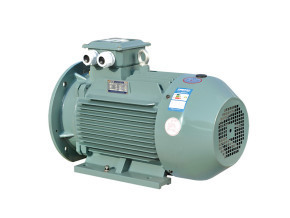
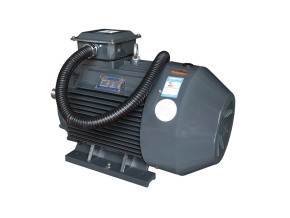
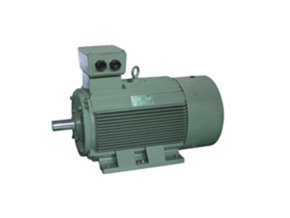
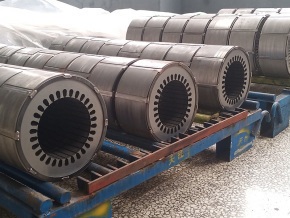
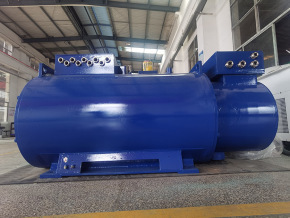
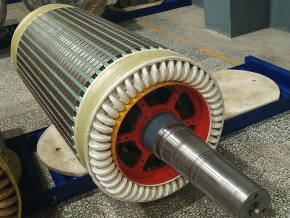
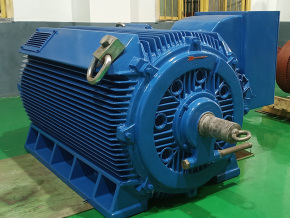
Industrial permanent magnet motors (IPMMs) are increasingly gaining traction in the transportation industry due to their efficiency, reliability, and compact design. Unlike traditional motors that rely on electromagnetic induction, IPMMs utilize permanent magnets to generate a magnetic field, thereby eliminating the need for external excitation sources. This fundamental difference offers several advantages that are particularly beneficial in various transportation applications.
One of the primary benefits of industrial permanent magnet motors is their high efficiency. These motors can achieve efficiency ratings of over 90%, significantly outperforming conventional motors. This efficiency translates not only to reduced energy consumption but also lower operational costs, making them an attractive option for transportation applications where energy savings are crucial. As the industry moves towards more sustainable practices, the adoption of IPMMs can contribute to reduced greenhouse gas emissions and compliance with environmental regulations.
Moreover, IPMMs are known for their compact size and lightweight construction. This is particularly advantageous in the transportation sector, where space and weight constraints are critical factors. The smaller footprint of these motors allows for more flexible design options in vehicles and equipment, making it easier to integrate them into existing systems. This adaptability can lead to innovative solutions in various modalities of transport, including electric vehicles (EVs), rail systems, and even marine applications.
Another important aspect of industrial permanent magnet motors is their reliability and low maintenance requirements. Since IPMMs have fewer moving parts compared to traditional motors, they are less prone to wear and tear, resulting in extended service life and reduced downtime. For transportation operators, this means increased operational efficiency and lower maintenance costs, allowing them to allocate resources to other critical areas of their business.
Furthermore, the advancements in magnet materials and manufacturing processes have led to the development of high-performance permanent magnets that enhance the overall performance of these motors. Technologies such as neodymium-iron-boron (NdFeB) magnets have become more accessible and affordable, further driving the adoption of IPMMs in various transportation applications.
In the context of the transportation industry, the integration of industrial permanent magnet motors can pave the way for smarter and more efficient transportation systems. As companies seek to innovate and stay competitive, the transition to IPMMs represents a significant step towards achieving a sustainable and efficient future.
In conclusion, industrial permanent magnet motors are revolutionizing the transportation sector by providing high efficiency, compact design, and reliable performance. As the industry continues to embrace these technologies, the potential for innovation and sustainability in transportation is unprecedented.
One of the primary benefits of industrial permanent magnet motors is their high efficiency. These motors can achieve efficiency ratings of over 90%, significantly outperforming conventional motors. This efficiency translates not only to reduced energy consumption but also lower operational costs, making them an attractive option for transportation applications where energy savings are crucial. As the industry moves towards more sustainable practices, the adoption of IPMMs can contribute to reduced greenhouse gas emissions and compliance with environmental regulations.
Moreover, IPMMs are known for their compact size and lightweight construction. This is particularly advantageous in the transportation sector, where space and weight constraints are critical factors. The smaller footprint of these motors allows for more flexible design options in vehicles and equipment, making it easier to integrate them into existing systems. This adaptability can lead to innovative solutions in various modalities of transport, including electric vehicles (EVs), rail systems, and even marine applications.
Another important aspect of industrial permanent magnet motors is their reliability and low maintenance requirements. Since IPMMs have fewer moving parts compared to traditional motors, they are less prone to wear and tear, resulting in extended service life and reduced downtime. For transportation operators, this means increased operational efficiency and lower maintenance costs, allowing them to allocate resources to other critical areas of their business.
Furthermore, the advancements in magnet materials and manufacturing processes have led to the development of high-performance permanent magnets that enhance the overall performance of these motors. Technologies such as neodymium-iron-boron (NdFeB) magnets have become more accessible and affordable, further driving the adoption of IPMMs in various transportation applications.
In the context of the transportation industry, the integration of industrial permanent magnet motors can pave the way for smarter and more efficient transportation systems. As companies seek to innovate and stay competitive, the transition to IPMMs represents a significant step towards achieving a sustainable and efficient future.
In conclusion, industrial permanent magnet motors are revolutionizing the transportation sector by providing high efficiency, compact design, and reliable performance. As the industry continues to embrace these technologies, the potential for innovation and sustainability in transportation is unprecedented.
recommend News

Wu Dejun: General Manager
Hu Pengbin: Marketing Director
Production site:
No.28, Huaiying Road, Gaoqiao Town, Changsha City, Hunan Province
Zip Code: 410145
Telephone:0731-86156236
ZhenHua Packing Machinery
Online consultation
Leave a message quickly and our experts will contact you
ZhenHua Packing Machinery
Business License

SAF Coolest v1.3.1.2 设置面板 GAGSD-ZGYF-JESSE-ZEA
无数据提示
Sorry, the current column is being updated, please look forward to it!
You can view other columns or returnHome Page