




Debunking Myths: Permanent Magnet Motors in the Transportation Sector
2026-06-21

Understanding Permanent Magnet Motors in the Transportation Sector
In recent years, **permanent magnet motors (PMMs)** have gained significant traction in the transportation sector. These motors are lauded for their efficiency and compact design, making them a popular choice for various applications, from electric vehicles (EVs) to trains. However, myths and misconceptions about permanent magnet motors often cloud their true potential. This article aims to debunk these myths and shed light on the advantages, applications, and future of PMMs in the transportation industry.
Table of Contents
1. Introduction to Permanent Magnet Motors
2. The Evolution of Transportation Technologies
3. Common Myths About Permanent Magnet Motors
3.1 Myth 1: PMMs Are Inefficient
3.2 Myth 2: PMMs Are Too Expensive
3.3 Myth 3: PMMs Are Not Suitable for Heavy-Duty Applications
3.4 Myth 4: PMMs Require Frequent Maintenance
3.5 Myth 5: PMMs Produce High Electromagnetic Interference
4. Advantages of Permanent Magnet Motors
4.1 High Efficiency and Performance
4.2 Compact and Lightweight Design
4.3 Low Maintenance Requirements
5. Applications of Permanent Magnet Motors in Transportation
5.1 Electric Vehicles
5.2 Trains and Public Transport
5.3 Robotics and Automated Vehicles
6. The Future of Permanent Magnet Motors in Transportation
7. Conclusion
8. Frequently Asked Questions (FAQs)
1. Introduction to Permanent Magnet Motors
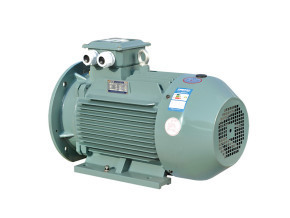
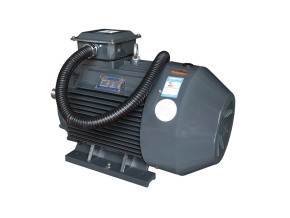
Permanent magnet motors are a type of electric motor that utilizes permanent magnets to create a magnetic field, enabling the motor to rotate. Unlike conventional motors that rely on electromagnetic coils, PMMs offer a more efficient conversion of electrical energy into mechanical energy. This characteristic makes them particularly appealing for various transportation applications, where efficiency and power density are crucial.
The adoption of PMMs is driven by the global shift towards **sustainable transportation solutions**, pushing manufacturers to explore innovative technologies that can reduce emissions and enhance energy efficiency.
2. The Evolution of Transportation Technologies
The transportation sector has undergone tremendous evolution, from steam engines to electric vehicles. The push for greener alternatives has accelerated the development of electric motors, particularly permanent magnet motors. As the industry embraces electrification, understanding the technology behind PMMs and their role in shaping the future of transportation becomes vital.
The transition towards electric mobility is not just about reducing carbon emissions; it's about creating a more efficient and sustainable transportation ecosystem. PMMs are at the forefront of this transition, offering solutions that traditional motors cannot provide.
3. Common Myths About Permanent Magnet Motors
Despite the advancements in PMM technology, **misinformation** persists. Here, we debunk some of the most common myths surrounding permanent magnet motors:
3.1 Myth 1: PMMs Are Inefficient
A prevalent belief is that PMMs are inefficient compared to other motor types. In reality, PMMs have demonstrated **higher efficiency** rates, often exceeding 90%. Their ability to maintain torque at varying speeds without sacrificing performance exemplifies their efficiency in energy conversion, making them suitable for both light and heavy transportation applications.
3.2 Myth 2: PMMs Are Too Expensive
While the initial cost of permanent magnet motors can be higher than traditional motors, the **long-term savings** in energy consumption and maintenance often outweigh these upfront costs. Additionally, advancements in manufacturing techniques are reducing costs, making PMMs more accessible for various applications.
3.3 Myth 3: PMMs Are Not Suitable for Heavy-Duty Applications
It's a common misconception that PMMs cannot handle heavy-duty tasks. In fact, PMMs are designed to deliver high torque and can be scaled for various applications, including heavy-duty trucks and industrial machinery. Their compact design allows for integration into systems where space is a constraint.
3.4 Myth 4: PMMs Require Frequent Maintenance
Many believe that permanent magnet motors require constant upkeep. However, PMMs are known for their **low maintenance requirements** due to fewer moving parts and the absence of brushes. This reliability translates to reduced downtime and operational costs, making them an attractive option for transportation operators.
3.5 Myth 5: PMMs Produce High Electromagnetic Interference
Concerns about electromagnetic interference (EMI) often arise with the use of PMMs. However, when designed correctly, PMMs can operate with minimal EMI, especially when employing techniques like shielding and proper circuit design. This ensures that PMMs can coexist with sensitive electronic systems.
4. Advantages of Permanent Magnet Motors
Permanent magnet motors offer a multitude of advantages that set them apart from traditional motor technologies. Understanding these benefits is crucial for stakeholders in the transportation sector.
4.1 High Efficiency and Performance
The standout feature of PMMs is their **efficiency**. With minimal energy losses, PMMs convert electrical energy into mechanical energy effectively, leading to lower operational costs. Their ability to maintain high torque levels at low speeds enhances their performance in various applications.
4.2 Compact and Lightweight Design
PMMs are inherently more compact and lighter than their counterparts, allowing for innovative designs in transportation vehicles. This lightweight design not only improves vehicle efficiency but also aids in maximizing payload capacities, a crucial factor for commercial transport.
4.3 Low Maintenance Requirements
The design of PMMs minimizes the need for maintenance, translating to fewer service interruptions and lower costs over time. This reliability is particularly advantageous for public transportation systems that require consistent performance.
5. Applications of Permanent Magnet Motors in Transportation
The versatility of PMMs allows for their application across a wide range of transportation modes. Let's explore some key areas where PMMs are making an impact.
5.1 Electric Vehicles
The rise of electric vehicles has propelled the demand for permanent magnet motors. EV manufacturers leverage PMMs to enhance efficiency and performance, resulting in longer ranges and improved acceleration. Companies like Tesla and General Motors have incorporated PMMs into their electric drivetrains to achieve superior performance metrics.
5.2 Trains and Public Transport
PMMs are also revolutionizing public transportation. Trains equipped with permanent magnet motors exhibit reduced energy consumption and increased acceleration rates. This efficiency translates directly into lower operational costs and a reduced carbon footprint.
5.3 Robotics and Automated Vehicles
As automation in transportation grows, so does the need for precise control systems. PMMs excel in delivering the responsiveness and control necessary for robotic systems and autonomous vehicles. Their ability to maintain torque across varying speeds makes them ideal for these applications.
6. The Future of Permanent Magnet Motors in Transportation
The future of permanent magnet motors in the transportation sector looks promising. With increasing focus on sustainability and emissions reduction, the demand for efficient and reliable motor systems will continue to grow. Innovations in materials, such as advancements in magnet production, aim to enhance performance while reducing costs further.
In addition, as the infrastructure for electric vehicles expands, we can expect to see more widespread adoption of PMMs in public transport systems and freight logistics. The synergy between government policies promoting electric mobility and advancements in PMM technology will catalyze the transition towards a **greener transportation system**.
7. Conclusion
In summary, permanent magnet motors are an essential component in the evolution of the transportation sector. By debunking the myths surrounding these motors, we can better appreciate their efficiency, performance, and versatility. As the transportation industry continues to innovate towards sustainable solutions, PMMs will play a critical role in shaping a cleaner, more efficient future.
8. Frequently Asked Questions (FAQs)
1. What are permanent magnet motors?
Permanent magnet motors are electric motors that use permanent magnets to produce a magnetic field, enabling efficient conversion of electrical energy into mechanical energy.
2. Are permanent magnet motors more efficient than traditional motors?
Yes, permanent magnet motors typically achieve efficiency rates exceeding 90%, making them more efficient than traditional motors, particularly in electric vehicles.
3. How do PMMs compare in cost to other motor types?
While PMMs may have a higher initial cost, their long-term savings in energy and maintenance often offset this investment.
4. Can PMMs be used in heavy-duty applications?
Absolutely! PMMs are designed to handle high torque and can be scaled for heavy-duty applications such as trucks and industrial machinery.
5. What are the maintenance requirements for permanent magnet motors?
PMMs require minimal maintenance due to fewer moving parts and the absence of brushes, translating to lower operational costs and reduced downtime.
This article aims to provide comprehensive insights into permanent magnet motors while addressing and debunking common myths. By understanding the true capabilities and advantages of PMMs, stakeholders in the transportation sector can make informed decisions that align with the future of sustainable transportation.
Previous Page:
recommend News

Wu Dejun: General Manager
Hu Pengbin: Marketing Director
Production site:
No.28, Huaiying Road, Gaoqiao Town, Changsha City, Hunan Province
Zip Code: 410145
Telephone:0731-86156236
ZhenHua Packing Machinery
Online consultation
Leave a message quickly and our experts will contact you
ZhenHua Packing Machinery
Business License

SAF Coolest v1.3.1.2 设置面板 GAGSD-ZGYF-JESSE-ZEA
无数据提示
Sorry, the current column is being updated, please look forward to it!
You can view other columns or returnHome Page