




Understanding Rail Transit Motors: The Heart of Modern Transportation Systems
2026-06-19

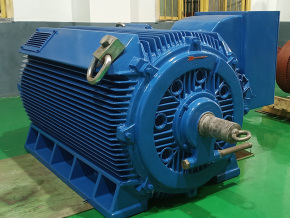
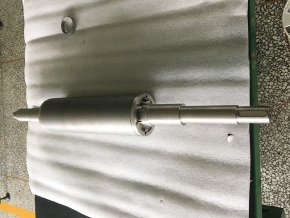
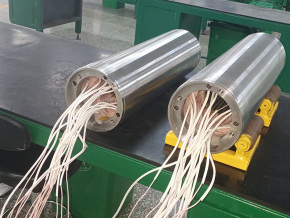
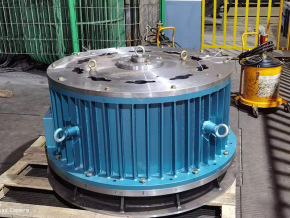
Rail transit motors are integral components in the functioning of urban and regional rail systems, powering the trains that facilitate the movement of millions of passengers worldwide. These motors are specifically designed for high reliability and efficiency, enabling trains to operate smoothly along their designated routes. Understanding their functionality and importance can provide valuable insights into the broader transportation industry.
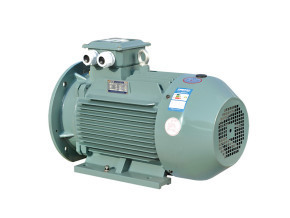
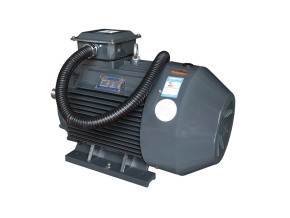
At the core of a rail transit system lies the electric motor, which converts electrical energy into mechanical energy, propelling the train forward. Most rail transit motors today utilize alternating current (AC) or direct current (DC) technologies, with AC motors becoming increasingly popular due to their efficiency and lower maintenance requirements. AC motors, particularly, have the ability to maintain consistent performance over a wide range of speeds, making them ideal for urban transit applications where frequent stops and starts are common.
The design of rail transit motors is influenced by several factors, including power output, efficiency, weight, and temperature tolerance. Advanced materials and innovative engineering techniques have led to the development of lightweight and compact motors, which not only improve the overall efficiency of the transit system but also contribute to reduced energy consumption and lower operational costs.
Moreover, the implementation of regenerative braking technology in modern rail transit motors allows for energy recovery during braking. This feature converts kinetic energy back into electrical energy, which can be reused to power the train or fed back into the power grid. As cities strive for sustainable transportation solutions, rail transit motors equipped with such technologies play a pivotal role in reducing the carbon footprint of urban transportation.
In recent years, the focus on digitalization and smart technologies has also influenced the evolution of rail transit motors. The incorporation of sensors and control systems allows for real-time monitoring and diagnostics of motor performance. This data-driven approach enables operators to optimize maintenance schedules, thereby minimizing downtime and enhancing safety.
It is crucial for transportation professionals to understand the advancements in rail transit motor technology, as they directly impact operational efficiency, passenger comfort, and environmental sustainability. As the demand for efficient and reliable public transportation continues to grow, innovations in rail transit motors will remain at the forefront of the industry, shaping the future of urban mobility.
In conclusion, rail transit motors are more than just components; they are essential to the very fabric of modern transportation systems. By embracing advancements in technology and focusing on efficiency, the rail transit industry can continue to meet the evolving needs of urban populations, ensuring that public transportation remains a viable and sustainable option for years to come.
At the core of a rail transit system lies the electric motor, which converts electrical energy into mechanical energy, propelling the train forward. Most rail transit motors today utilize alternating current (AC) or direct current (DC) technologies, with AC motors becoming increasingly popular due to their efficiency and lower maintenance requirements. AC motors, particularly, have the ability to maintain consistent performance over a wide range of speeds, making them ideal for urban transit applications where frequent stops and starts are common.
The design of rail transit motors is influenced by several factors, including power output, efficiency, weight, and temperature tolerance. Advanced materials and innovative engineering techniques have led to the development of lightweight and compact motors, which not only improve the overall efficiency of the transit system but also contribute to reduced energy consumption and lower operational costs.
Moreover, the implementation of regenerative braking technology in modern rail transit motors allows for energy recovery during braking. This feature converts kinetic energy back into electrical energy, which can be reused to power the train or fed back into the power grid. As cities strive for sustainable transportation solutions, rail transit motors equipped with such technologies play a pivotal role in reducing the carbon footprint of urban transportation.
In recent years, the focus on digitalization and smart technologies has also influenced the evolution of rail transit motors. The incorporation of sensors and control systems allows for real-time monitoring and diagnostics of motor performance. This data-driven approach enables operators to optimize maintenance schedules, thereby minimizing downtime and enhancing safety.
It is crucial for transportation professionals to understand the advancements in rail transit motor technology, as they directly impact operational efficiency, passenger comfort, and environmental sustainability. As the demand for efficient and reliable public transportation continues to grow, innovations in rail transit motors will remain at the forefront of the industry, shaping the future of urban mobility.
In conclusion, rail transit motors are more than just components; they are essential to the very fabric of modern transportation systems. By embracing advancements in technology and focusing on efficiency, the rail transit industry can continue to meet the evolving needs of urban populations, ensuring that public transportation remains a viable and sustainable option for years to come.
recommend News

Wu Dejun: General Manager
Hu Pengbin: Marketing Director
Production site:
No.28, Huaiying Road, Gaoqiao Town, Changsha City, Hunan Province
Zip Code: 410145
Telephone:0731-86156236
ZhenHua Packing Machinery
Online consultation
Leave a message quickly and our experts will contact you
ZhenHua Packing Machinery
Business License

SAF Coolest v1.3.1.2 设置面板 GAGSD-ZGYF-JESSE-ZEA
无数据提示
Sorry, the current column is being updated, please look forward to it!
You can view other columns or returnHome Page