




Subway Motors Explained: Unveiling Their Crucial Role in Urban Transportation
2026-06-17

Subway Motors Explained: What Makes Them So Essential?
Table of Contents
- 1. Introduction to Subway Motors
- 2. Understanding the Functionality of Subway Motors
- 3. Components of Subway Motors
- 4. Types of Subway Motors and Their Applications
- 5. The Importance of Subway Motors in Urban Transportation
- 6. Future Trends in Subway Motor Technology
- 7. Maintenance and Safety of Subway Motors
- 8. Frequently Asked Questions
- 9. Conclusion
1. Introduction to Subway Motors
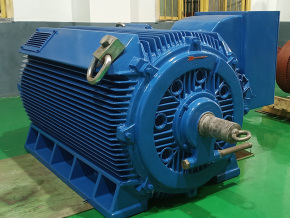
Subway motors play an indispensable role in the functionality of urban transit systems. These powerful electrical machines provide the momentum required to transport thousands of passengers daily. As cities expand and urban populations grow, the demand for efficient and reliable transportation solutions becomes increasingly critical. Understanding subway motors not only highlights their significance but also sheds light on the innovative technologies that drive modern train operations.
2. Understanding the Functionality of Subway Motors
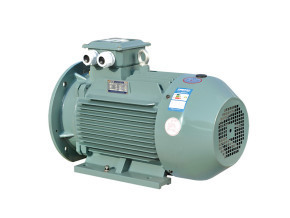
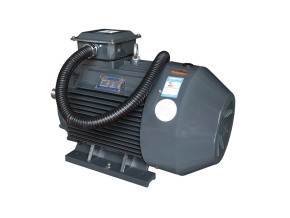
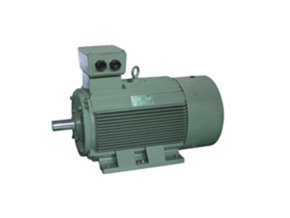
Subway motors convert electrical energy into mechanical energy, propelling subway trains along their tracks. This process involves several intricate components working in harmony. The primary function of these motors is to create sufficient torque to start, accelerate, and maintain the speed of the train.
The efficiency of subway motors is measured in terms of both power output and energy consumption. High-efficiency motors reduce operational costs and contribute to the sustainability of urban transit systems. Moreover, advancements in technology have enabled the development of regenerative braking systems, allowing the train to recover energy during braking and feed it back into the power grid.
3. Components of Subway Motors
Understanding the components of subway motors is essential to appreciate their functionality. The main parts include:
3.1 Stator
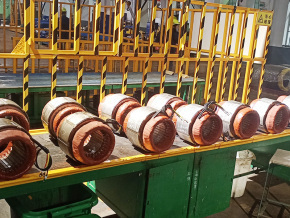
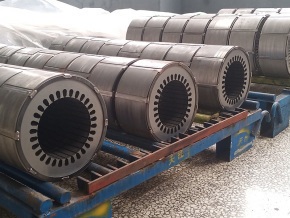
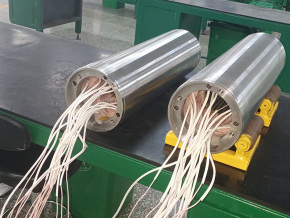
The stator is the stationary part of the motor. It houses the windings and creates a magnetic field when electrical current passes through it. The design and material of the stator significantly impact the motor's efficiency and performance.
3.2 Rotor
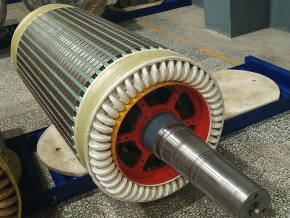
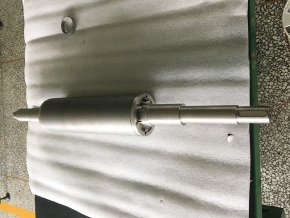
The rotor is the rotating component that interacts with the stator's magnetic field. As the magnetic field changes, it induces current in the rotor, causing it to spin and generate mechanical energy. Different rotor designs, such as squirrel cage or wound rotors, can be employed based on the motor's application.
3.3 Bearings
Bearings support the rotor and allow it to rotate smoothly. They minimize friction and wear, contributing to the motor's longevity and reliability. High-quality bearings can significantly reduce maintenance needs and improve overall performance.
3.4 Cooling Systems
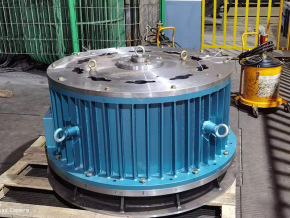
Subway motors generate heat during operation, which can affect their efficiency and lifespan. Cooling systems, including air or liquid cooling, help dissipate heat, ensuring optimal operating conditions. Proper thermal management is crucial, especially in high-demand environments.
4. Types of Subway Motors and Their Applications
Subway systems utilize various types of motors, each designed to meet specific operational needs.
4.1 DC Motors
Direct Current (DC) motors were historically the standard in subway systems due to their simplicity and ease of control. However, their efficiency diminishes over time, leading to increased energy consumption.
4.2 AC Motors
Alternating Current (AC) motors have gained popularity in recent years. They offer higher efficiency and better performance, particularly in high-speed applications. AC motors can be further categorized into induction motors and synchronous motors, each with its own advantages.
4.3 Brushless Motors
Brushless motors are becoming increasingly common in subway applications due to their durability and lower maintenance requirements. They eliminate the need for brushes, reducing wear and tear, while offering higher efficiency and performance.
5. The Importance of Subway Motors in Urban Transportation
Subway motors are not just mechanical components; they are the heart of urban transportation networks. Their importance can be illustrated through several key factors:
5.1 Efficiency and Reliability
Subway systems are expected to operate efficiently, transporting large numbers of passengers within tight schedules. Reliable motors are crucial to maintaining punctuality and minimizing delays.
5.2 Environmental Impact
The shift towards electric motors in subway systems has contributed to a reduction in emissions and noise pollution. This transition aligns with global sustainability goals, making public transport a greener alternative to personal vehicles.
5.3 Safety Features
Safety is paramount in urban transit. Modern subway motors are equipped with advanced safety features, including emergency braking systems and monitoring technologies, ensuring passenger safety during operations.
5.4 Capacity to Meet Demand
As urban populations grow, the demand for public transportation increases. Subway motors must be designed to handle varying passenger loads and operate efficiently even during peak hours.
6. Future Trends in Subway Motor Technology
The future of subway motors looks promising, with several trends shaping their development:
6.1 Increased Automation
Automation is expected to revolutionize subway operations. Advanced motor control systems will enable more precise acceleration and braking, enhancing passenger comfort and energy efficiency.
6.2 Smart Technology Integration
Integration with smart technologies will allow subway motors to communicate with other components of the transit system, optimizing performance and reducing downtime.
6.3 Enhanced Energy Recovery Systems
Future advancements in regenerative braking technology will further improve energy efficiency, allowing subway systems to harness energy more effectively.
7. Maintenance and Safety of Subway Motors
Regular maintenance is crucial for ensuring the longevity and safety of subway motors. Key aspects of maintenance include:
7.1 Routine Inspections
Conducting routine inspections helps identify any potential issues before they escalate. This proactive approach minimizes downtime and extends the motors' operational life.
7.2 Lubrication
Proper lubrication of bearings and other moving parts reduces friction and wear, promoting smooth operation and preventing costly repairs.
7.3 Training Personnel
Ensuring that maintenance personnel are well-trained in the specific requirements of subway motors is essential for effective upkeep and safety.
8. Frequently Asked Questions
8.1 What is the average lifespan of a subway motor?
The average lifespan of a subway motor can vary, but with proper maintenance, it typically ranges from 20 to 30 years.
8.2 How do subway motors impact energy consumption?
Subway motors significantly influence energy consumption, with high-efficiency models reducing overall energy usage and operational costs.
8.3 What advancements are being made in subway motor technology?
Recent advancements include automation, smart technology integration, and improved regenerative braking systems to enhance energy efficiency.
8.4 How often should subway motors be maintained?
Routine maintenance should be performed regularly, with inspections typically conducted every few months and comprehensive checks annually.
8.5 What safety features are integrated into subway motors?
Modern subway motors are equipped with emergency braking systems, monitoring technologies, and sensors to ensure passenger safety during operations.
9. Conclusion
Subway motors are essential components of urban transportation systems, playing a pivotal role in efficiency, reliability, and sustainability. As cities continue to grow, the importance of these motors will only increase, necessitating ongoing advancements in technology and maintenance practices. Understanding their functionality and significance not only enhances our appreciation for public transit but also encourages investments in safer, more efficient systems for future generations.
recommend News

Wu Dejun: General Manager
Hu Pengbin: Marketing Director
Production site:
No.28, Huaiying Road, Gaoqiao Town, Changsha City, Hunan Province
Zip Code: 410145
Telephone:0731-86156236
ZhenHua Packing Machinery
Online consultation
Leave a message quickly and our experts will contact you
ZhenHua Packing Machinery
Business License

SAF Coolest v1.3.1.2 设置面板 GAGSD-ZGYF-JESSE-ZEA
无数据提示
Sorry, the current column is being updated, please look forward to it!
You can view other columns or returnHome Page