




Understanding Industrial Motors: The Heart of Transportation Equipment
2026-06-15

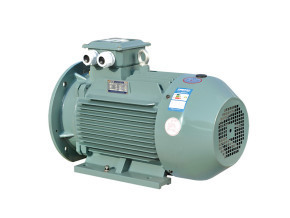
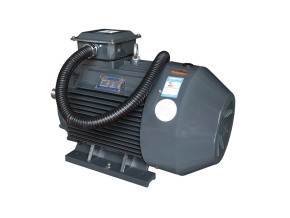
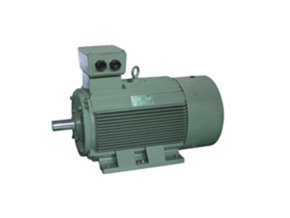
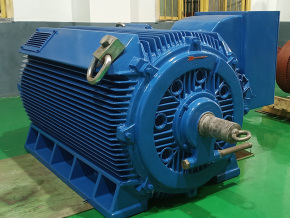
Industrial motors play a crucial role in the transportation sector, specifically in the operation of various types of equipment that facilitate the movement of goods and people. These motors are designed to convert electrical energy into mechanical energy, providing the necessary power for transportation systems ranging from trains and buses to specialized equipment in logistics and material handling.
One of the most common types of industrial motors used in transportation is the induction motor. Known for its robustness and reliability, the induction motor is widely utilized in electric vehicles and trains due to its ability to provide a consistent and efficient performance. These motors operate on the principle of electromagnetic induction, allowing them to start and run without the need for external starting devices, making them ideal for heavy-duty applications.
Another important type of motor is the synchronous motor, which operates at a constant speed and is synchronized with the power supply frequency. This characteristic makes synchronous motors particularly suitable for applications that require precise speed control, such as conveyor systems and automated guided vehicles (AGVs) used in warehouses and distribution centers. Their efficiency and ability to handle variable loads make them a preferred choice in many industrial settings.
Industrial motors are also categorized based on their power supply, with options including AC (alternating current) and DC (direct current) motors. AC motors, especially three-phase motors, are commonly used in large-scale transportation systems due to their efficiency and lower operational costs. On the other hand, DC motors are favored in applications requiring variable speed and high torque, such as electric buses and certain types of cranes used in cargo handling.
In addition to their types, it is essential to consider the design and construction of industrial motors. Environmental factors, such as humidity, dust, and temperature variations, can significantly impact motor performance. Many industrial motors are designed with protective features to withstand harsh operating conditions, ensuring longevity and reliability in transportation applications.
Furthermore, advancements in technology have led to the development of smart motors equipped with sensors and IoT capabilities. These innovations enable real-time monitoring and predictive maintenance, helping to minimize downtime and enhance the overall efficiency of transportation systems.
In conclusion, industrial motors are the driving force behind many transportation equipment and components. Understanding their types, functions, and applications is essential for professionals in the transportation industry looking to optimize performance and ensure safety. By selecting the right industrial motor for specific applications, companies can improve operational efficiency and drive innovation in transportation solutions.
One of the most common types of industrial motors used in transportation is the induction motor. Known for its robustness and reliability, the induction motor is widely utilized in electric vehicles and trains due to its ability to provide a consistent and efficient performance. These motors operate on the principle of electromagnetic induction, allowing them to start and run without the need for external starting devices, making them ideal for heavy-duty applications.
Another important type of motor is the synchronous motor, which operates at a constant speed and is synchronized with the power supply frequency. This characteristic makes synchronous motors particularly suitable for applications that require precise speed control, such as conveyor systems and automated guided vehicles (AGVs) used in warehouses and distribution centers. Their efficiency and ability to handle variable loads make them a preferred choice in many industrial settings.
Industrial motors are also categorized based on their power supply, with options including AC (alternating current) and DC (direct current) motors. AC motors, especially three-phase motors, are commonly used in large-scale transportation systems due to their efficiency and lower operational costs. On the other hand, DC motors are favored in applications requiring variable speed and high torque, such as electric buses and certain types of cranes used in cargo handling.
In addition to their types, it is essential to consider the design and construction of industrial motors. Environmental factors, such as humidity, dust, and temperature variations, can significantly impact motor performance. Many industrial motors are designed with protective features to withstand harsh operating conditions, ensuring longevity and reliability in transportation applications.
Furthermore, advancements in technology have led to the development of smart motors equipped with sensors and IoT capabilities. These innovations enable real-time monitoring and predictive maintenance, helping to minimize downtime and enhance the overall efficiency of transportation systems.
In conclusion, industrial motors are the driving force behind many transportation equipment and components. Understanding their types, functions, and applications is essential for professionals in the transportation industry looking to optimize performance and ensure safety. By selecting the right industrial motor for specific applications, companies can improve operational efficiency and drive innovation in transportation solutions.
recommend News

Wu Dejun: General Manager
Hu Pengbin: Marketing Director
Production site:
No.28, Huaiying Road, Gaoqiao Town, Changsha City, Hunan Province
Zip Code: 410145
Telephone:0731-86156236
ZhenHua Packing Machinery
Online consultation
Leave a message quickly and our experts will contact you
ZhenHua Packing Machinery
Business License

SAF Coolest v1.3.1.2 设置面板 GAGSD-ZGYF-JESSE-ZEA
无数据提示
Sorry, the current column is being updated, please look forward to it!
You can view other columns or returnHome Page