




Top Applications of High-Efficiency Motors in Various Transport Equipment
2026-06-13

Top Applications of High-Efficiency Motors in Various Transport Equipment
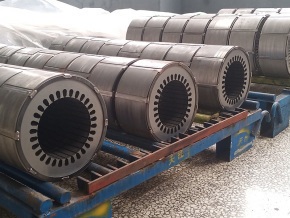
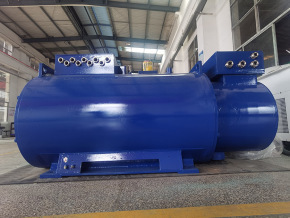
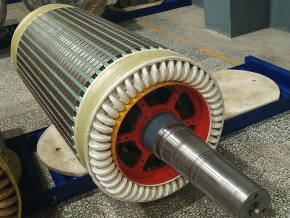
In an era prioritizing sustainability and efficiency, high-efficiency motors have emerged as pivotal components in various transport equipment. These innovative motors not only enhance performance but also significantly reduce energy consumption, making them ideal for a wide range of applications in the transportation industry. In this article, we will explore the top applications of high-efficiency motors across different types of transport equipment and how they contribute to a more sustainable future.
Understanding High-Efficiency Motors
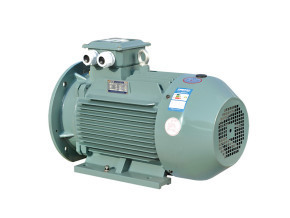
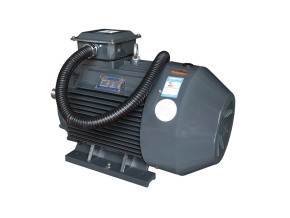
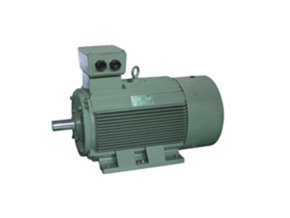
High-efficiency motors are designed to convert electrical energy into mechanical energy with minimal losses. Unlike standard motors, these advanced systems offer improved energy efficiency, often exceeding 90% efficiency rates. This efficiency translates to lower operational costs and reduced carbon footprints, making them ideal for applications in the transportation sector.
The Importance of Energy Efficiency in Transportation
Energy efficiency plays a crucial role in transportation, particularly as environmental concerns grow. High-efficiency motors contribute to reducing greenhouse gas emissions and reliance on fossil fuels. By integrating these motors into various transport equipment, industries can not only comply with regulatory standards but also foster a sustainable approach to operational practices.
Applications of High-Efficiency Motors in Various Transport Equipment
1. Electric Vehicles (EVs)
Electric vehicles represent one of the most significant applications of high-efficiency motors. These motors are essential in powering the propulsion systems of EVs, delivering high torque and performance while ensuring energy conservation. As the demand for electric vehicles rises, manufacturers increasingly rely on high-efficiency motors to enhance the overall efficiency of their vehicles, thereby extending driving ranges and reducing charging times.
Benefits of High-Efficiency Motors in EVs
- **Extended Range**: Higher efficiency means longer distances on a single charge.
- **Performance**: Improved torque delivery enhances acceleration.
- **Sustainability**: Reduced environmental impact due to lower energy consumption.
2. Hybrid Vehicles
Hybrid vehicles, which combine internal combustion engines with electric propulsion, also benefit from high-efficiency motors. These motors optimize the use of both power sources, allowing for seamless transitions between electric and gasoline power. The integration of high-efficiency motors in hybrids enhances fuel economy and reduces emissions, making them an appealing choice for eco-conscious consumers.
Key Advantages of High-Efficiency Motors in Hybrid Vehicles
- **Fuel Economy**: Decreased fuel consumption during operation.
- **Emissions Reduction**: Lower emissions compared to traditional vehicles.
- **Cost Savings**: Reduced fuel costs over time.
3. Commercial Transport Vehicles
High-efficiency motors are critical components in commercial transport vehicles such as trucks, buses, and vans. These vehicles require robust and reliable power sources to handle varying loads and long distances. High-efficiency motors enhance the overall performance and operational efficiency, leading to significant fuel savings and reduced maintenance costs.
How High-Efficiency Motors Improve Commercial Transport
- **Increased Load Handling**: More efficient motors can manage heavier loads without excessive energy consumption.
- **Lower Operational Costs**: Savings on fuel and maintenance contribute to overall cost-effectiveness.
- **Enhanced Reliability**: Durable motors reduce downtime and improve fleet operations.
4. Rail Transport
High-efficiency motors are increasingly utilized in rail transport systems, including passenger trains and freight locomotives. These motors offer high torque and low energy consumption, which are essential for the efficient operation of trains, particularly during acceleration and climbing gradients. Additionally, the use of high-efficiency motors can significantly reduce the operational costs associated with rail transport.
Benefits in Rail Transport Systems
- **Energy Savings**: Reduced energy consumption translates to lower operational expenses.
- **Performance Improvement**: Efficient acceleration contributes to better schedule adherence.
- **Environmental Benefits**: Lower emissions contribute to greener rail transport solutions.
5. Marine Applications
In maritime transport, high-efficiency motors are used in various applications, from powering cargo ships to recreational vessels. Their ability to deliver high performance while maintaining energy efficiency makes them ideal for marine environments, where fuel costs are a significant concern. By integrating high-efficiency motors, marine operators can enhance operational efficiency and reduce their environmental impact.
Advantages of High-Efficiency Motors in Marine Applications
- **Fuel Efficiency**: Lower fuel consumption leads to cost savings.
- **Reduced Emissions**: Contributes to cleaner oceans and improved air quality.
- **Improved Performance**: Enhanced acceleration and reliability during operation.
Challenges and Considerations
While high-efficiency motors offer numerous benefits, there are challenges associated with their implementation. High upfront costs, integration with existing systems, and the need for specialized maintenance can pose obstacles for some transport operators. However, the long-term savings and performance improvements often outweigh these initial challenges, making high-efficiency motors a worthwhile investment for forward-thinking transport companies.
Overcoming Implementation Challenges
To successfully integrate high-efficiency motors into transport systems, operators can consider the following strategies:
- **Conducting Cost-Benefit Analyses**: Assessing the financial implications can help justify the investment.
- **Investing in Training**: Ensuring that maintenance staff are trained on high-efficiency motor technologies can improve reliability.
- **Collaborating with Manufacturers**: Partnering with motor manufacturers can provide insights into the best practices for integration.
Future Trends in High-Efficiency Motors for Transport Equipment
The future of high-efficiency motors in transport equipment looks promising, with advancements in technology driving innovation. As industries strive for greater energy efficiency and sustainability, we can expect increased adoption of high-efficiency motors across various transport sectors. Future trends may include:
- **Smart Motor Technologies**: Integration of IoT for real-time monitoring and optimization.
- **Advanced Materials**: Development of lightweight and high-performance materials to enhance motor efficiency.
- **Increased Automation**: Automation in transport systems may rely more heavily on efficient motor technologies.
Conclusion
High-efficiency motors are revolutionizing the transportation industry by enhancing performance, reducing energy consumption, and promoting sustainable practices. Their applications in electric vehicles, hybrids, commercial transport, rail systems, and marine operations illustrate their versatility and importance. While challenges exist in adopting these motors, the long-term benefits far outweigh the initial hurdles. As technology continues to advance, we can anticipate a brighter future for high-efficiency motors in transport equipment, paving the way for more efficient and eco-friendly transportation solutions.
Frequently Asked Questions (FAQs)
1. What are high-efficiency motors?
High-efficiency motors are designed to convert electrical energy into mechanical energy with minimal energy losses, offering efficiency rates above 90%.
2. How do high-efficiency motors benefit electric vehicles?
They extend driving ranges, improve performance, and reduce environmental impact due to lower energy consumption.
3. Are high-efficiency motors more expensive than standard motors?
Yes, they typically have higher upfront costs, but they offer significant long-term savings through reduced energy and maintenance costs.
4. Can high-efficiency motors be integrated into existing transport systems?
Yes, with careful planning and consideration, high-efficiency motors can be integrated into existing systems, though training and support may be necessary.
5. What is the future of high-efficiency motors in transportation?
We expect advancements in smart technologies, materials, and automation, leading to increased adoption and enhanced performance in various transport applications.
recommend News

Wu Dejun: General Manager
Hu Pengbin: Marketing Director
Production site:
No.28, Huaiying Road, Gaoqiao Town, Changsha City, Hunan Province
Zip Code: 410145
Telephone:0731-86156236
ZhenHua Packing Machinery
Online consultation
Leave a message quickly and our experts will contact you
ZhenHua Packing Machinery

SAF Coolest v1.3.1.2 设置面板 GAGSD-ZGYF-JESSE-ZEA
无数据提示
Sorry, the current column is being updated, please look forward to it!
You can view other columns or returnHome Page