




Understanding Subway Motors: The Heart of Urban Transportation
2026-06-03

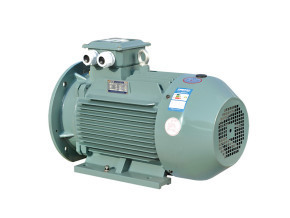
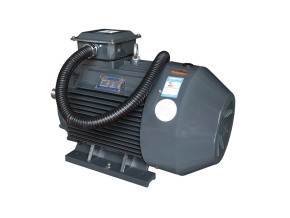
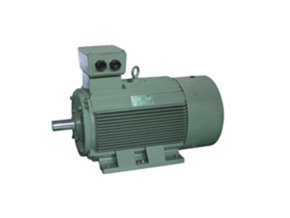
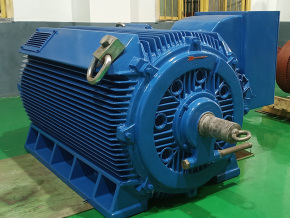
Subway motors are an integral part of urban transportation networks, serving as the driving force behind the operation of subway trains. These electric motors convert electrical energy into mechanical energy, enabling the trains to move smoothly along extensive underground and surface networks. Understanding subway motors is crucial for professionals in the transportation sector, as they play a pivotal role in ensuring the efficiency, safety, and reliability of public transit systems.
Typically, subway motors are designed to provide high torque at low speeds, allowing for rapid acceleration and deceleration of trains. This characteristic is essential for urban environments where trains stop frequently at stations. Advanced technologies, such as variable frequency drives, are often utilized in subway motor systems to optimize performance and energy consumption. By adjusting the frequency of the electrical supply, these systems can precisely control the speed of the motors, improving both efficiency and passenger comfort.
One of the key advantages of subway motors is their ability to regenerate energy. When a train decelerates, the motors can operate in reverse to convert kinetic energy back into electrical energy, which can then be fed back into the grid or used to power other systems within the train. This regenerative braking not only enhances energy efficiency but also reduces wear and tear on braking components, leading to lower maintenance costs over time.
Moreover, modern subway systems are increasingly incorporating advancements in motor technology, including the use of permanent magnet motors. These motors are lighter and more efficient than traditional induction motors, contributing to overall energy savings and enhanced performance. The integration of smart motor systems with real-time monitoring capabilities further elevates operational efficiency, allowing for predictive maintenance and reducing the likelihood of unexpected failures.
As urban populations continue to grow, the demand for efficient and sustainable public transportation solutions is more pressing than ever. Subway motors are at the forefront of this evolution, facilitating the movement of millions of passengers daily while minimizing environmental impact. By investing in cutting-edge motor technology and infrastructure, cities can enhance their transit networks, making them more responsive to the needs of commuters.
In conclusion, subway motors are fundamental to the functionality and efficiency of urban transportation systems. Professionals in the transportation industry must stay informed about the latest developments in motor technology to ensure that subway systems operate smoothly and sustainably. Understanding the intricacies of subway motors not only benefits individual operators but also contributes to the broader goal of enhancing public transit for future generations.
Typically, subway motors are designed to provide high torque at low speeds, allowing for rapid acceleration and deceleration of trains. This characteristic is essential for urban environments where trains stop frequently at stations. Advanced technologies, such as variable frequency drives, are often utilized in subway motor systems to optimize performance and energy consumption. By adjusting the frequency of the electrical supply, these systems can precisely control the speed of the motors, improving both efficiency and passenger comfort.
One of the key advantages of subway motors is their ability to regenerate energy. When a train decelerates, the motors can operate in reverse to convert kinetic energy back into electrical energy, which can then be fed back into the grid or used to power other systems within the train. This regenerative braking not only enhances energy efficiency but also reduces wear and tear on braking components, leading to lower maintenance costs over time.
Moreover, modern subway systems are increasingly incorporating advancements in motor technology, including the use of permanent magnet motors. These motors are lighter and more efficient than traditional induction motors, contributing to overall energy savings and enhanced performance. The integration of smart motor systems with real-time monitoring capabilities further elevates operational efficiency, allowing for predictive maintenance and reducing the likelihood of unexpected failures.
As urban populations continue to grow, the demand for efficient and sustainable public transportation solutions is more pressing than ever. Subway motors are at the forefront of this evolution, facilitating the movement of millions of passengers daily while minimizing environmental impact. By investing in cutting-edge motor technology and infrastructure, cities can enhance their transit networks, making them more responsive to the needs of commuters.
In conclusion, subway motors are fundamental to the functionality and efficiency of urban transportation systems. Professionals in the transportation industry must stay informed about the latest developments in motor technology to ensure that subway systems operate smoothly and sustainably. Understanding the intricacies of subway motors not only benefits individual operators but also contributes to the broader goal of enhancing public transit for future generations.
recommend News

Wu Dejun: General Manager
Hu Pengbin: Marketing Director
Production site:
No.28, Huaiying Road, Gaoqiao Town, Changsha City, Hunan Province
Zip Code: 410145
Telephone:0731-86156236
ZhenHua Packing Machinery
Online consultation
Leave a message quickly and our experts will contact you
ZhenHua Packing Machinery
Business License

SAF Coolest v1.3.1.2 设置面板 GAGSD-ZGYF-JESSE-ZEA
无数据提示
Sorry, the current column is being updated, please look forward to it!
You can view other columns or returnHome Page