




Why Industrial Motors Are Essential for Reliable Transportation Equipment
2026-06-01

Introduction to Industrial Motors in Transportation Equipment
In the realm of transportation equipment, industrial motors serve as the heartbeat of various systems, powering everything from conveyor belts to electric vehicles. These motors are not merely components; they are integral to the functionality, reliability, and efficiency of transportation solutions. By understanding the vital role of industrial motors, we can appreciate their contribution to advancing transportation technologies.
Understanding Industrial Motors: The Driving Force
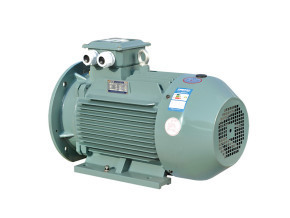
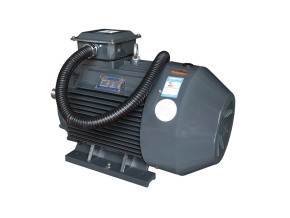
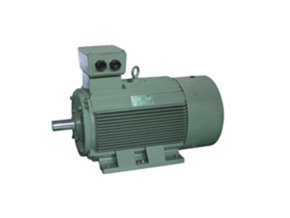
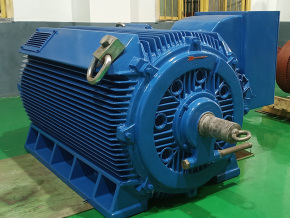
Industrial motors are electromechanical devices that convert electrical energy into mechanical energy. This transformation is essential for a variety of applications in transportation equipment. They are designed to operate under demanding conditions and are built to last, making them a cornerstone of reliable transportation.
Types of Industrial Motors Used in Transportation
A variety of industrial motors are utilized across different types of transportation equipment. Here are some common types:
1. AC Motors
AC motors are widely used in transportation equipment due to their reliability and efficiency. They are suitable for applications that require continuous operation, such as fans, pumps, and conveyor systems.
2. DC Motors
DC motors are preferred for applications requiring variable speed control. They are often found in electric vehicles and lifting equipment, making them crucial for dynamic transportation systems.
3. Stepper Motors
Stepper motors provide precise control over movement, making them ideal for applications that demand accuracy, such as robotic arms in automated systems and certain types of guided vehicles.
The Role of Industrial Motors in Enhancing Transportation Equipment Reliability
Reliability is a paramount concern in the transportation industry. Here’s how industrial motors contribute to this aspect:
1. Consistent Performance Under Heavy Loads
Industrial motors are designed to handle heavy loads and operate efficiently under stress. This capability ensures that transportation equipment can function consistently, even in challenging environments. Whether it’s a delivery truck navigating rough terrain or an airport conveyor belt transporting luggage, industrial motors provide the necessary power to keep operations running smoothly.
2. Reducing Downtime and Maintenance Costs
The durability of industrial motors plays a significant role in minimizing downtime. By reducing the frequency of repairs and maintenance, companies can save significantly on operational costs. This reliability translates to increased productivity and better service delivery in the transportation sector.
3. Energy Efficiency and Cost-Effectiveness
Modern industrial motors are designed with energy efficiency in mind. By consuming less power, they contribute to lower operational costs for transportation companies. Additionally, energy-efficient motors support sustainability efforts, aligning with global initiatives to reduce carbon emissions.
Applications of Industrial Motors in Transportation Equipment
The applications of industrial motors in transportation equipment are vast and varied. Here are some key areas where they are essential:
1. Material Handling Systems
In warehouses and manufacturing plants, industrial motors drive conveyor belts and automated guided vehicles (AGVs). They ensure smooth transportation of materials from one point to another, optimizing workflow and efficiency.
2. Electric Vehicles
The rise of electric vehicles (EVs) has put industrial motors at the forefront of transportation innovation. These motors provide the propulsion needed for electric cars, buses, and trucks, offering a cleaner alternative to traditional combustion engines.
3. Rail Transportation
In rail systems, industrial motors are used in trains, trams, and subways. They are responsible for the traction needed to move vehicles along tracks, ensuring safe and reliable transport for passengers and cargo.
4. Aviation Ground Support Equipment
Industrial motors power various ground support equipment in airports, including baggage handling systems and pushback tractors. Their reliable performance ensures that aircraft can be serviced efficiently, minimizing turnaround times.
The Future of Industrial Motors in Transportation Equipment
As technology continues to evolve, so do industrial motors. Innovations in materials and design are leading to even more efficient and reliable motors. Here’s a glimpse into the future:
1. Integration with Smart Technologies
The Internet of Things (IoT) is making its way into the transportation sector. Industrial motors equipped with smart sensors can provide real-time data on performance and health, allowing companies to preemptively address maintenance issues.
2. Advancements in Energy Sources
Future industrial motors may utilize alternative energy sources, such as solar or hydrogen, to enhance sustainability in transportation. This shift could lead to a new era of eco-friendly transport options.
3. Enhanced Automation and Robotics
With the rise of automation, industrial motors will play a crucial role in robotic applications within transportation. They will enable advanced systems that streamline operations and improve accuracy in tasks such as loading and unloading.
Challenges Faced by Industrial Motors in Transportation
While industrial motors are essential, they are not without challenges. Addressing these issues is crucial for their continued success in transportation:
1. Environmental Conditions
Industrial motors often operate in harsh environments, subjecting them to dust, moisture, and extreme temperatures. Ensuring that these motors are designed to withstand such conditions is vital for their longevity.
2. Technological Obsolescence
As technology advances, older motor designs may become obsolete. Manufacturers must continually innovate to stay relevant, addressing the evolving needs of the transportation sector.
3. Cost Variability
The initial investment in high-quality industrial motors can be substantial. However, their long-term benefits often justify the cost. It is essential for companies to balance upfront expenses with the expected return on investment.
FAQs About Industrial Motors and Transportation Equipment
1. Why are industrial motors critical for transportation equipment?
Industrial motors power various systems within transportation equipment, ensuring reliable and efficient operation.
2. What types of industrial motors are used in electric vehicles?
Both AC and DC motors are commonly used in electric vehicles, depending on the requirements for power and speed control.
3. How do industrial motors contribute to energy efficiency?
Modern industrial motors are designed to consume less power, leading to lower energy costs and a reduced environmental impact.
4. What are the maintenance requirements for industrial motors?
Regular inspections and routine maintenance help ensure the longevity and reliability of industrial motors.
5. What advancements can we expect in industrial motor technology?
Future advancements may include smart technology integration, alternative energy sources, and enhanced automation capabilities.
Conclusion
Industrial motors are indispensable in the transportation sector, driving efficiency, reliability, and innovation. As we embrace new technologies and face evolving challenges, the importance of these motors will only continue to grow. By recognizing their vital role, we can better appreciate the advancements in transportation equipment and the future of mobility. Investing in high-quality industrial motors is not simply a matter of choice; it's a strategic decision that influences the success and reliability of transportation solutions.
recommend News

Wu Dejun: General Manager
Hu Pengbin: Marketing Director
Production site:
No.28, Huaiying Road, Gaoqiao Town, Changsha City, Hunan Province
Zip Code: 410145
Telephone:0731-86156236
ZhenHua Packing Machinery
Online consultation
Leave a message quickly and our experts will contact you
ZhenHua Packing Machinery
Business License

SAF Coolest v1.3.1.2 设置面板 GAGSD-ZGYF-JESSE-ZEA
无数据提示
Sorry, the current column is being updated, please look forward to it!
You can view other columns or returnHome Page