




A Comprehensive Guide to Maintenance Best Practices for Rail Transit Motors
2026-06-05

A Comprehensive Guide to Maintenance Best Practices for Rail Transit Motors
Table of Contents
- 1. Introduction to Rail Transit Motors
- 2. Importance of Regular Maintenance
- 3. Types of Rail Transit Motors
- 4. Effective Maintenance Strategies
- 5. Best Practices for Maintenance
- 6. Troubleshooting Common Issues
- 7. Role of Technology in Maintenance
- 8. Training Personnel for Efficient Maintenance
- 9. Conclusion
- 10. FAQs
1. Introduction to Rail Transit Motors
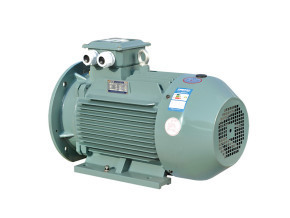
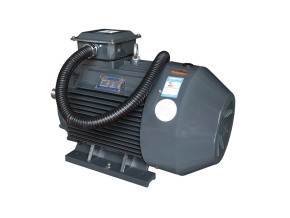
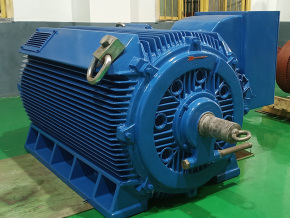
Rail transit motors are integral to the efficient operation of mass transit systems. These motors power trains, trams, and subways, making them crucial for urban mobility. Understanding how these motors work and their maintenance requirements is essential for transit authorities and operators striving for optimal performance and safety.
2. Importance of Regular Maintenance
Regular maintenance of rail transit motors is vital for several reasons. It significantly reduces the risk of unforeseen breakdowns, enhances the lifespan of equipment, and promotes passenger safety. Regular upkeep ensures that motors operate at peak efficiency, translating into reduced energy consumption and lower operational costs.
3. Types of Rail Transit Motors
Rail transit motors can be broadly categorized into several types, each with specific maintenance needs:
3.1 AC Motors
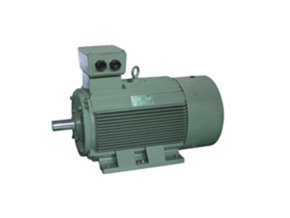
AC motors are widely used for their reliability and efficiency. They require routine checks of electrical connections and insulation resistance.
3.2 DC Motors
DC motors, although becoming less common, necessitate regular brush inspections and commutator maintenance.
3.3 Synchronous Motors
These motors maintain a constant speed and require precise adjustments to their excitation systems.
4. Effective Maintenance Strategies
Implementing a structured maintenance strategy is crucial for the longevity of rail transit motors. The three primary maintenance strategies include preventive, predictive, and corrective maintenance.
4.1 Preventive Maintenance
Preventive maintenance focuses on scheduled servicing to preemptively address issues before they lead to failures. This includes:
- Regular inspections of motor components
- Scheduled replacements of worn-out parts
- Routine cleaning of mechanical and electrical systems
4.2 Predictive Maintenance
Predictive maintenance employs diagnostic tools to forecast potential failures based on real-time data analysis. This approach includes:
- Vibration analysis to detect misalignment or imbalance
- Thermal imaging to identify overheating components
- Oil analysis to monitor contamination levels
4.3 Corrective Maintenance
Corrective maintenance is performed after a failure has occurred. It is critical to have a robust plan in place to address issues promptly and efficiently, minimizing downtime.
5. Best Practices for Maintenance
Adhering to best practices can enhance the effectiveness of maintenance efforts.
5.1 Cleaning Procedures
Keeping motors clean is essential for optimal performance. Dust and debris can cause overheating. Regularly cleaning motor housings and ventilation ducts helps maintain airflow and cooling.
5.2 Inspection Protocols
Routine inspections should include checking for unusual wear patterns, loose connections, and signs of corrosion. Establish a checklist to ensure comprehensive evaluations.
5.3 Lubrication Techniques
Proper lubrication is crucial for reducing friction and wear. Use the manufacturer-recommended lubricants and follow specific guidelines for application. Over-lubrication can be as harmful as under-lubrication.
6. Troubleshooting Common Issues
Understanding common motor issues can expedite problem-solving. Some frequent problems include:
- **Overheating**: Often caused by insufficient ventilation or excessive loads.
- **Unusual Noise**: Can indicate mechanical wear or misalignment.
- **Inconsistent Performance**: May arise from electrical imbalances or degraded components.
Establish a systematic approach to diagnosing these issues to maintain operational efficiency.
7. Role of Technology in Maintenance
Advancements in technology play a pivotal role in modern maintenance practices. Integrating IoT devices and AI can enhance monitoring capabilities and predictive analytics. These technologies enable real-time assessments, improving decision-making and resource allocation.
8. Training Personnel for Efficient Maintenance
Investing in personnel training is essential for implementing effective maintenance practices. Regular training programs should cover:
- The latest maintenance techniques
- Safety protocols
- Use of diagnostic tools and technologies
A well-trained workforce is crucial for maintaining the integrity and reliability of rail transit motors.
9. Conclusion
Effective maintenance of rail transit motors is essential for the safe and efficient operation of public transportation systems. By adopting a comprehensive approach that includes preventive, predictive, and corrective maintenance strategies, transit authorities can enhance reliability, reduce costs, and provide better service to passengers. Continuous training and embracing modern technology will further improve maintenance practices, ensuring that rail transit systems meet the demands of urban mobility efficiently.
10. FAQs
1. How often should rail transit motors be serviced?
Regular service intervals can vary based on usage and environmental conditions. Generally, quarterly inspections and annual comprehensive servicing are recommended.
2. What are the signs that a rail transit motor needs maintenance?
Common signs include unusual noises, overheating, decreased performance, and visible wear on components.
3. Can predictive maintenance reduce costs?
Yes, predictive maintenance can significantly reduce operational costs by preventing unexpected failures and minimizing downtime.
4. What tools are essential for maintaining rail transit motors?
Essential tools include vibration analyzers, thermal cameras, lubricating equipment, and multimeters for electrical diagnostics.
5. How can we improve the lifespan of rail transit motors?
Regular maintenance, proper cleaning, timely inspections, and the use of quality lubricants can enhance the lifespan and performance of rail transit motors.
recommend News

Wu Dejun: General Manager
Hu Pengbin: Marketing Director
Production site:
No.28, Huaiying Road, Gaoqiao Town, Changsha City, Hunan Province
Zip Code: 410145
Telephone:0731-86156236
ZhenHua Packing Machinery
Online consultation
Leave a message quickly and our experts will contact you
ZhenHua Packing Machinery
Business License

SAF Coolest v1.3.1.2 设置面板 GAGSD-ZGYF-JESSE-ZEA
无数据提示
Sorry, the current column is being updated, please look forward to it!
You can view other columns or returnHome Page