




Unlocking the Benefits of High-Efficiency Motors in Transportation
2026-05-30

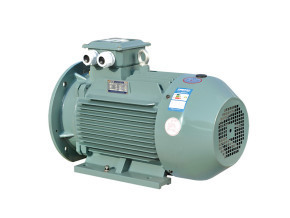
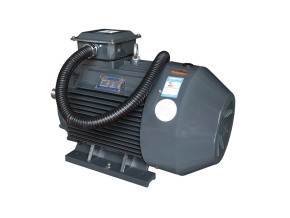
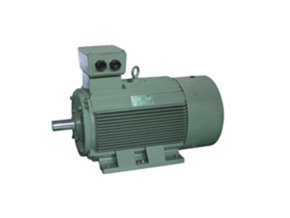
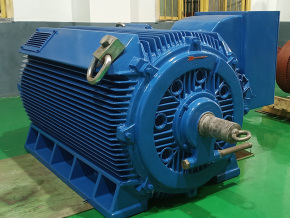
High-efficiency motors are gaining traction in various industries, especially in transportation, where they play a crucial role in improving energy efficiency and reducing operational costs. These motors are designed to convert electrical energy into mechanical energy with minimal losses, making them significantly more efficient than standard motors. In the context of transportation equipment and components, high-efficiency motors have the potential to revolutionize performance and sustainability.
One of the primary benefits of high-efficiency motors is their ability to reduce energy consumption. Traditional motors can consume a substantial amount of electricity, contributing to higher operational costs and a larger carbon footprint. In contrast, high-efficiency motors utilize advanced design and materials that allow them to operate at a higher efficiency rate, often exceeding 90%. This means that more of the energy consumed is converted into useful work, resulting in lower energy bills and decreased environmental impact.
Moreover, high-efficiency motors can enhance the overall performance of transportation equipment. By providing higher torque and better speed regulation, these motors improve the responsiveness and reliability of the systems they power. This is particularly important in applications such as electric vehicles, where performance is critical for safety and user satisfaction. The improved performance not only translates into a smoother ride but can also extend the lifespan of the equipment due to reduced wear and tear.
Another significant advantage of high-efficiency motors is their contribution to sustainability efforts. As governments and organizations worldwide strive to meet stricter emissions regulations and environmental standards, adopting high-efficiency motors can be an effective strategy. By minimizing energy consumption, these motors help reduce greenhouse gas emissions associated with electricity generation. Additionally, many high-efficiency motors are designed to operate with less noise and vibration, contributing to a more comfortable transportation environment.
The installation of high-efficiency motors in transportation systems also opens up opportunities for innovation. The integration of smart technology allows for better monitoring and control, enabling real-time optimization of energy use. This capability is particularly useful in fleet management, where efficiency can directly impact operating costs. By leveraging data analytics and smart motor controls, operators can maximize the benefits of high-efficiency motors.
In conclusion, high-efficiency motors represent a transformative technology in the transportation sector. Their ability to reduce energy consumption, enhance performance, support sustainability initiatives, and enable smart technology integration makes them an invaluable asset. As the industry continues to evolve, investing in high-efficiency motors can lead to significant improvements in both operational efficiency and environmental responsibility. Embracing this technology is not just a move towards better performance; it’s a step towards a more sustainable future in transportation.
One of the primary benefits of high-efficiency motors is their ability to reduce energy consumption. Traditional motors can consume a substantial amount of electricity, contributing to higher operational costs and a larger carbon footprint. In contrast, high-efficiency motors utilize advanced design and materials that allow them to operate at a higher efficiency rate, often exceeding 90%. This means that more of the energy consumed is converted into useful work, resulting in lower energy bills and decreased environmental impact.
Moreover, high-efficiency motors can enhance the overall performance of transportation equipment. By providing higher torque and better speed regulation, these motors improve the responsiveness and reliability of the systems they power. This is particularly important in applications such as electric vehicles, where performance is critical for safety and user satisfaction. The improved performance not only translates into a smoother ride but can also extend the lifespan of the equipment due to reduced wear and tear.
Another significant advantage of high-efficiency motors is their contribution to sustainability efforts. As governments and organizations worldwide strive to meet stricter emissions regulations and environmental standards, adopting high-efficiency motors can be an effective strategy. By minimizing energy consumption, these motors help reduce greenhouse gas emissions associated with electricity generation. Additionally, many high-efficiency motors are designed to operate with less noise and vibration, contributing to a more comfortable transportation environment.
The installation of high-efficiency motors in transportation systems also opens up opportunities for innovation. The integration of smart technology allows for better monitoring and control, enabling real-time optimization of energy use. This capability is particularly useful in fleet management, where efficiency can directly impact operating costs. By leveraging data analytics and smart motor controls, operators can maximize the benefits of high-efficiency motors.
In conclusion, high-efficiency motors represent a transformative technology in the transportation sector. Their ability to reduce energy consumption, enhance performance, support sustainability initiatives, and enable smart technology integration makes them an invaluable asset. As the industry continues to evolve, investing in high-efficiency motors can lead to significant improvements in both operational efficiency and environmental responsibility. Embracing this technology is not just a move towards better performance; it’s a step towards a more sustainable future in transportation.
recommend News

Wu Dejun: General Manager
Hu Pengbin: Marketing Director
Production site:
No.28, Huaiying Road, Gaoqiao Town, Changsha City, Hunan Province
Zip Code: 410145
Telephone:0731-86156236
ZhenHua Packing Machinery
Online consultation
Leave a message quickly and our experts will contact you
ZhenHua Packing Machinery
Business License

SAF Coolest v1.3.1.2 设置面板 GAGSD-ZGYF-JESSE-ZEA
无数据提示
Sorry, the current column is being updated, please look forward to it!
You can view other columns or returnHome Page