




What Makes Medium-Voltage DC Motors Ideal for Heavy-Duty Transportation Equipment?
2026-05-28

What Makes Medium-Voltage DC Motors Ideal for Heavy-Duty Transportation Equipment?
Understanding Medium-Voltage DC Motors
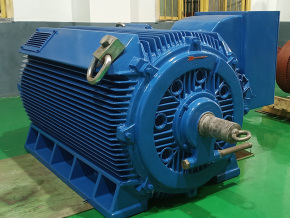
Medium-voltage DC motors are a crucial component in the heavy-duty transportation sector, offering advantages that traditional motors cannot match. These motors typically operate in the range of 1 kV to 15 kV, making them suitable for various applications, including electric vehicles, rail systems, and industrial machinery. The ability to convert electrical energy into mechanical energy efficiently makes these motors a preferred choice in demanding environments.
The Role of Medium-Voltage DC Motors in Transportation
As transportation technologies evolve, the demand for robust and efficient machinery grows. Medium-voltage DC motors are designed to handle high power levels and maintain performance under strenuous conditions. Their use in heavy-duty transportation equipment helps improve efficiency, reduce operational costs, and minimize environmental impact.
Key Features of Medium-Voltage DC Motors
Understanding the unique features of medium-voltage DC motors is essential for recognizing their benefits in heavy-duty applications.
1. High Efficiency
Medium-voltage DC motors are designed to operate at high efficiency, often exceeding 90%. This efficiency translates into lower energy consumption, which is especially important in heavy-duty transportation where operational costs are a significant concern.
2. Robust Performance
These motors are built to withstand harsh environments, heavy loads, and continuous operation. Their robust construction ensures reliability and longevity, making them ideal for transportation applications where failure is not an option.
3. Easy Control and Modulation
Medium-voltage DC motors allow for precise control of speed and torque through advanced electronic controls. This adaptability is vital for applications requiring a wide range of operational parameters, ensuring optimal performance in varying conditions.
Advantages of Medium-Voltage DC Motors in Heavy-Duty Transportation
The benefits of medium-voltage DC motors extend beyond mere functionality. They provide several key advantages that enhance overall transportation performance.
1. Sustainability and Environmental Impact
As industries strive to reduce their carbon footprint, medium-voltage DC motors stand out due to their energy efficiency and reduced emissions. They operate more cleanly compared to traditional combustion engines, making them a sustainable choice for heavy-duty transportation.
2. Cost-Effectiveness
Although the initial investment in medium-voltage DC motors might be higher than other motor types, their long-term savings through reduced energy costs and maintenance requirements make them a cost-effective solution. Lower operational costs enhance the overall ROI for transportation equipment.
3. Versatility Across Applications
Medium-voltage DC motors are not limited to one type of transportation equipment. They can be utilized in a variety of applications, including:
- Electric buses
- Trains and trams
- Heavy-duty trucks
- Forklifts and material handling equipment
Their versatility makes them a go-to choice for manufacturers looking to optimize their fleet with modern technology.
Challenges and Solutions in Implementing Medium-Voltage DC Motors
While medium-voltage DC motors present various advantages, there are challenges that organizations may face during implementation.
1. Initial Setup Costs
The initial setup cost for medium-voltage DC motors can be significant. However, investing in these systems can lead to substantial savings over time, particularly when considering energy consumption and maintenance.
2. Specialized Maintenance Requirements
Medium-voltage DC motors require specialized maintenance to ensure optimal performance. Partnering with experienced service providers ensures that maintenance tasks are performed correctly, prolonging the motor's lifespan and improving reliability.
3. Integration with Existing Systems
Integrating medium-voltage DC motors into existing transportation systems can be complex. However, with proper planning and consultation with experts, these motors can be seamlessly integrated, maximizing their benefits.
Applications of Medium-Voltage DC Motors in Heavy-Duty Transportation
The versatility of medium-voltage DC motors means they can be found in a variety of heavy-duty transportation applications.
Rail Systems
In rail systems, medium-voltage DC motors provide the necessary power to drive trains efficiently. Their high torque capabilities and reliability make them ideal for both freight and passenger trains, ensuring safe and timely transport.
Electric Buses
Electric buses are becoming increasingly popular due to their environmental benefits. Medium-voltage DC motors enable these buses to achieve optimal range and performance, making urban transport more sustainable.
Industrial Vehicles
Heavy-duty trucks and industrial vehicles benefit from the high efficiency and power of medium-voltage DC motors. Their adaptability allows them to perform a variety of tasks, from transporting goods to operating machinery.
The Future of Medium-Voltage DC Motors in Transportation
As technology continues to advance, the role of medium-voltage DC motors in heavy-duty transportation will expand. Innovations in materials, control systems, and motor design will enhance their efficiency, reliability, and overall performance.
Trends Shaping the Industry
- **Increased Demand for Electrification**: The push for greener transportation methods is driving the demand for electric and hybrid vehicles, where medium-voltage DC motors play a pivotal role.
- **Advancements in Battery Technology**: Improved battery technologies directly benefit medium-voltage DC motor applications by providing better energy storage and efficiency.
- **Smart Transportation Systems**: As cities become smarter, the integration of medium-voltage DC motors into connected transportation systems will enhance operational efficiency and reduce congestion.
Frequently Asked Questions
1. What are medium-voltage DC motors?
Medium-voltage DC motors are electric motors designed to operate at voltages ranging between 1 kV and 15 kV. They are used in various heavy-duty applications, providing high efficiency and robust performance.
2. Why are medium-voltage DC motors preferred for heavy-duty transportation?
Their high efficiency, robustness, and ease of control make medium-voltage DC motors ideal for heavy-duty transportation equipment, helping reduce operational costs and improve performance.
3. Are there any disadvantages to using medium-voltage DC motors?
While the initial investment can be higher and specialized maintenance is required, the long-term benefits such as energy savings and reduced emissions typically outweigh these challenges.
4. What applications benefit most from medium-voltage DC motors?
Medium-voltage DC motors can be found in electric buses, trains, heavy-duty trucks, and industrial vehicles, making them versatile for various transportation applications.
5. How do medium-voltage DC motors contribute to sustainable transportation?
They operate with high efficiency, reducing energy consumption and emissions compared to traditional combustion engines, thus supporting the transition to greener transportation solutions.
Conclusion
Medium-voltage DC motors are transforming the landscape of heavy-duty transportation equipment. Their unique features—such as high efficiency, robust performance, and versatility—make them invaluable in today's evolving transportation sector. As industries continue to pursue sustainable and cost-effective solutions, the reliance on these motors will only increase. By understanding their advantages and potential applications, manufacturers and operators can better position themselves to meet the challenges of modern transportation while also promoting environmental sustainability.
recommend News

Wu Dejun: General Manager
Hu Pengbin: Marketing Director
Production site:
No.28, Huaiying Road, Gaoqiao Town, Changsha City, Hunan Province
Zip Code: 410145
Telephone:0731-86156236
ZhenHua Packing Machinery
Online consultation
Leave a message quickly and our experts will contact you
ZhenHua Packing Machinery
Business License

SAF Coolest v1.3.1.2 设置面板 GAGSD-ZGYF-JESSE-ZEA
无数据提示
Sorry, the current column is being updated, please look forward to it!
You can view other columns or returnHome Page