




Understanding Rail Transit Motors: The Backbone of Modern Transportation
2026-05-22

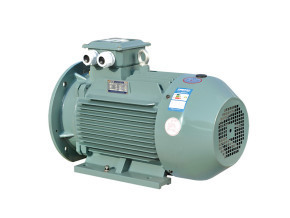
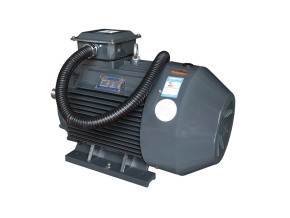
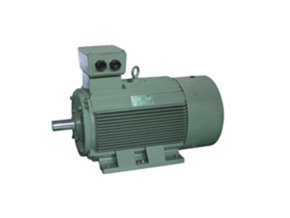
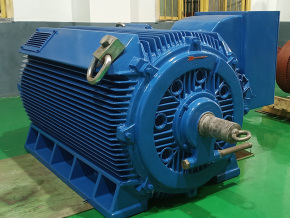
Rail transit motors are vital components in the operation of various rail systems, including trains, trams, and metros. These motors are responsible for converting electrical energy into mechanical energy, enabling locomotives and multiple units to move efficiently along tracks. As the backbone of modern rail transit, understanding the different types of rail transit motors and their operational principles is crucial for anyone involved in transportation or related fields.
The most common types of rail transit motors are DC (Direct Current) and AC (Alternating Current) motors. DC motors were historically favored for their simplicity and ease of control, especially in older rail systems. However, the shift towards AC motors has gained prominence due to their greater efficiency, especially in high-speed and heavy-load applications. AC motors, combined with advanced control systems, offer better performance and reliability, making them more suitable for the growing demands of urban transit.
In recent years, the advent of technologies such as regenerative braking has further highlighted the importance of rail transit motors. This innovative system allows trains to convert kinetic energy back into electrical energy during braking, which can then be used to power other systems or fed back into the electrical grid. This not only enhances energy efficiency but also reduces operational costs and environmental impact, aligning with global sustainability goals.
Moreover, advancements in digital technology and automation have paved the way for smart rail systems. These systems utilize sophisticated monitoring and control technologies to optimize motor performance and ensure safety. Real-time data analysis can help predict maintenance needs, reduce downtime, and enhance overall system reliability.
In addition to efficiency, the design and construction of rail transit motors have evolved significantly. Modern materials and engineering techniques allow for lighter, more compact motors that do not compromise on power output. This is particularly important in urban environments, where space is often limited, and the need for energy-efficient solutions is paramount.
Rail transit motors also play a key role in enhancing passenger comfort. Well-designed motors contribute to smoother acceleration and deceleration, reducing vibrations and noise during travel. This attention to passenger experience can significantly influence public perception of rail transport, encouraging more people to choose trains over other forms of transportation.
In conclusion, rail transit motors are integral to the functionality and efficiency of today’s rail systems. As the transportation industry continues to innovate and evolve, understanding the role and technology behind rail transit motors will be increasingly important for professionals seeking to improve transit solutions and meet the demands of future mobility.
The most common types of rail transit motors are DC (Direct Current) and AC (Alternating Current) motors. DC motors were historically favored for their simplicity and ease of control, especially in older rail systems. However, the shift towards AC motors has gained prominence due to their greater efficiency, especially in high-speed and heavy-load applications. AC motors, combined with advanced control systems, offer better performance and reliability, making them more suitable for the growing demands of urban transit.
In recent years, the advent of technologies such as regenerative braking has further highlighted the importance of rail transit motors. This innovative system allows trains to convert kinetic energy back into electrical energy during braking, which can then be used to power other systems or fed back into the electrical grid. This not only enhances energy efficiency but also reduces operational costs and environmental impact, aligning with global sustainability goals.
Moreover, advancements in digital technology and automation have paved the way for smart rail systems. These systems utilize sophisticated monitoring and control technologies to optimize motor performance and ensure safety. Real-time data analysis can help predict maintenance needs, reduce downtime, and enhance overall system reliability.
In addition to efficiency, the design and construction of rail transit motors have evolved significantly. Modern materials and engineering techniques allow for lighter, more compact motors that do not compromise on power output. This is particularly important in urban environments, where space is often limited, and the need for energy-efficient solutions is paramount.
Rail transit motors also play a key role in enhancing passenger comfort. Well-designed motors contribute to smoother acceleration and deceleration, reducing vibrations and noise during travel. This attention to passenger experience can significantly influence public perception of rail transport, encouraging more people to choose trains over other forms of transportation.
In conclusion, rail transit motors are integral to the functionality and efficiency of today’s rail systems. As the transportation industry continues to innovate and evolve, understanding the role and technology behind rail transit motors will be increasingly important for professionals seeking to improve transit solutions and meet the demands of future mobility.
recommend News

Wu Dejun: General Manager
Hu Pengbin: Marketing Director
Production site:
No.28, Huaiying Road, Gaoqiao Town, Changsha City, Hunan Province
Zip Code: 410145
Telephone:0731-86156236
ZhenHua Packing Machinery
Online consultation
Leave a message quickly and our experts will contact you
ZhenHua Packing Machinery
Business License

SAF Coolest v1.3.1.2 设置面板 GAGSD-ZGYF-JESSE-ZEA
无数据提示
Sorry, the current column is being updated, please look forward to it!
You can view other columns or returnHome Page